tulip pricklypear Care (Opuntia phaeacantha)

Also known as: Brownspine Pricklypear, New Mexico Prickly-pear
tulip pricklypear

About tulip pricklypear

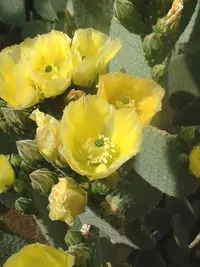
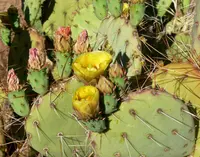
Tulip pricklypear (Opuntia phaeacantha) is a cold-hardy cactus native to arid and semi-arid regions of the southwestern United States and northern Mexico. It forms low, spreading clumps of flat green pads armed with spines and tiny barbed hairs. In late spring to early summer it produces bright yellow to orange tulip-shaped flowers, followed by fleshy purple fruits that attract wildlife. This species is adapted to full sun, high heat, and rocky or sandy, fast-draining soils, which makes it relatively easy to grow in dry climates. Understanding how to care for tulip pricklypear starts with avoiding excess moisture and providing as much light as possible.

Main Plant Requirements

Care Difficulty

Easy Care

Light Preference

Full Sun

Water Requirements

Low Water

Temperature Preference

Cold Hardy

Hardiness Zone

4–9

Soil Texture

Sandy, Loamy, Rocky

Soil pH

Slightly acidic (6.5–7.0), Slightly alkaline (7.0–7.5)

Soil Drainage

Well-drained

Fertilization

Minimal (feed rarely)

Get Personalized Care Plan

Scan your plant to receive care tips personalized for your specific plant

Available on iOS and Android

How to Care for the tulip pricklypear

This species thrives in strong, direct light typical of open desert habitats.

  • Provide 6–10 hours of direct sun daily; full south or west exposure suits tulip pricklypear in most US climates.
  • It tolerates light partial shade, especially with morning sun and light afternoon shade in very hot regions to limit pad scorching.
  • In winter, ensure at least 4–6 hours of direct sun or bright exposure; weak light leads to elongated, thin pads and reduced flowering.

This dryland cactus is highly drought tolerant and needs infrequent but thorough watering.

  • Outdoors in the ground, water only when the top 5–8 cm of soil are completely dry, then soak and allow to drain fully.
  • In summer, this may mean watering every 2–4 weeks depending on heat and rainfall; wrinkling pads suggest it is time to water Opuntia phaeacantha.
  • Reduce or stop watering in cool months; yellowing, mushy pads or a sour soil smell indicate overwatering and poor drainage.

This hardy cactus handles a wide temperature range but prefers warm, dry conditions.

  • Active growth is best around 70–90°F (21–32°C); short periods up to 100°F (38°C) are tolerated if soil is dry and airflow is good.
  • Mature plants often survive down to about 0°F (−18°C) in sharply drained soils, but repeated freeze–thaw in wet ground increases rot risk.
  • In transitional seasons, protect from sudden drops below 25°F (−4°C) after warm spells and avoid prolonged humid heat above 95°F (35°C).

This species is highly tolerant of dry air and rarely needs humidity adjustment indoors.

This cactus needs very fast-draining, mineral-based soil to prevent root rot and pad collapse.

  • Use a gritty, sandy mix with 50–70% inorganic material such as coarse sand, pumice, or small gravel.
  • Include a small portion of lean compost or cactus potting mix to provide structure without holding excess water.
  • Aim for slightly acidic to neutral pH, around 6.0–7.2, which suits Opuntia phaeacantha roots well.
  • Avoid dense, peat-heavy, or clay soils; if in doubt, test by ensuring water drains through in under 30–60 seconds.

This species is suitable for containers, especially in regions with cold winters or very wet ground.

  • Choose a wide, shallow, heavy pot to support spreading pads and reduce the risk of tipping in strong wind.
  • Select unglazed terracotta if faster moisture loss is needed, or thick plastic in very hot, dry climates to reduce water stress.
  • Elevate the pot slightly on feet or bricks so drainage holes stay clear and water runs off rapidly after rain or watering.

This drought-adapted cactus needs only light feeding, so focus on modest nutrients rather than rich soil for tulip pricklypear.

  • Use a low-strength balanced cactus fertilizer (for example 5-5-5) or very thin compost tea during active growth in spring–early summer.
  • Feed at most 1–2 times per growing season, then stop by late summer to allow pads to harden.
  • Dilute liquid products to 25–50% of label strength to avoid salt buildup in the root zone.
  • Skip fertilizing in winter dormancy and water sparingly to keep roots dry and healthy.

Pruning Opuntia phaeacantha is mainly corrective, keeping pads safe, tidy, and manageable rather than shaping like a shrub.

  • Best time is late winter to early spring, before strong new growth starts.
  • Remove dead, diseased, storm-damaged, or crossing pads using long-handled tongs and a sharp, clean knife or pruning saw.
  • Detach pads cleanly at the joint to reduce infection risk and maintain a natural, open form.
  • Cutting back crowded or sprawling pads improves air flow, reduces rot risk, and controls overall size.

Container plants and young clumps benefit from rare but careful transplanting to avoid root damage.

  • Look for roots circling the pot, cracking containers, or stalled growth as signs the plant needs a larger space.
  • Plan repotting or transplanting in late spring to early summer when soil is warm and recovery is fastest.
  • Move plants only every several years, into a very well-drained sandy or gritty mix and a slightly larger pot or bed area.
  • Wear thick gloves, keep the root ball as intact as possible, and water lightly afterward to settle soil without waterlogging.

This species is commonly multiplied from pad cuttings, with seeds used mainly for larger restoration or breeding projects.

  • In late spring–summer, cut healthy pads and let cut surfaces dry and callus for 5–10 days in a shaded, airy place.
  • Plant pads upright, just buried at the base, in a fast-draining cactus mix kept barely moist for rooting.
  • Provide bright light, warm temperatures around 70–85°F, and excellent air flow to limit rot during rooting.
  • For seed, sow in shallow trays with gritty mix, keep slightly moist, and allow several weeks to months for germination.

This cactus is fairly cold hardy, but some winter attention helps maintain pad health, especially in wet or very cold climates.

  • Established plants in well-drained soil can tolerate significant frost, often down to about 0°F, if kept relatively dry.
  • In cold, wet regions, add a light gravel or coarse mulch around the base to keep the root zone drier.
  • For container plants, move pots under a dry shelter or unheated garage, giving bright light and minimal water.
  • Brush heavy snow off pads gently to prevent breakage and reduce the chance of moisture-related rot.

Care Tips

Rooting Fallen Pads

When a pad breaks off, let the wound callus in a dry, shaded spot for 7–10 days, then plant it shallowly in very gritty soil to create a new plant instead of discarding it.

Winter Wet Protection

In regions with cold, wet winters, mound coarse gravel or small stones around the base to keep pads off saturated soil and reduce the risk of rot at the cladode joints.

Weed Barrier Strategy

Lay down a breathable landscape fabric topped with 5–8 cm of mineral mulch before planting to minimize weeds that are difficult to remove safely among spines and glochids.

Safe Handling Setup

Use long-handled tongs and thick, smooth leather or nitrile-coated gloves, and keep a roll of sticky tape nearby to quickly pull out any glochids that get into skin while caring for tulip pricklypear.

Pad Spacing Management

Thin crowded inner pads every few years by cutting them cleanly at the joint so light and air can reach the center, which lowers fungal risk and keeps the clump structurally stable.

Common Pests and Diseases

Cochineal scale

This pest forms white, cottony clusters on pads and feeds on plant sap, often causing yellowing and weakened growth. Symptoms include sticky patches and, when crushed, a deep red stain from the insects’ bodies.

Solution

Prune and discard heavily infested pads, avoiding contact with the sharp spines. For lighter infestations, spray pads forcefully with water to dislodge insects, then treat remaining colonies with cotton swabs dipped in 70% isopropyl alcohol or apply an insecticidal soap specifically labeled for cacti, repeating as needed while improving air circulation and avoiding overfertilizing.

Cactus longhorn beetle

This pest bores into pads and stems, causing collapse, oozing tissues, and sometimes sudden death of segments. Symptoms include entry holes near the base and larvae tunneling inside the plant.

Solution

Hand-pick and destroy adult beetles in the evening or early morning when they are most visible. Remove and discard any bored or collapsing pads to reduce larval habitat, and keep plants vigorous in full sun with well-drained soil to help resist further attack.

Opuntia mealybug

These insects appear as small, white, fuzzy clusters along areoles and joints, where they suck sap and can lead to pad distortion and sooty mold growth on honeydew. Infestations often start in sheltered joints or where pads touch.

Solution

Isolate affected plants, then use a strong water spray to knock off visible insects before spot-treating remaining clusters with 70% isopropyl alcohol or insecticidal soap. Repeat treatments weekly until no new insects appear, and reduce crowding between pads to limit protected hiding spots, which is a key part of Opuntia phaeacantha care instructions in home landscapes.

Fungal stem spot

This disease causes small, dark, sunken spots on pads that may enlarge into corky lesions, especially after cool, wet weather or mechanical injury. Symptoms include discolored, hardened patches that can deform pads over time.

Solution

Cut out or remove heavily spotted pads with a sterile knife and discard them, keeping wounds dry. Improve drainage, avoid overhead watering, and maintain good spacing to speed drying; in consistently wet climates, a labeled copper-based fungicide can be used preventively on new growth.

Bacterial soft rot

This disease leads to water-soaked, foul-smelling, mushy areas on pads, often starting at wounds or insect damage sites. Symptoms include collapse of affected segments and a slimy texture in the rotting tissue.

Solution

Promptly cut away and discard all soft or foul-smelling tissue, sterilizing tools between cuts with alcohol. Keep the remaining plant very dry, improve airflow around pads, and prevent future wounds by careful handling and controlling chewing insects that create entry points for bacteria.

Interesting Facts

Cold-tolerant desert cactus

This species survives winter temperatures well below freezing, especially in dry conditions, and often retains living pads after repeated freeze–thaw cycles, which is unusual for many North American prickly pears.

Yellow flowers, red fruit

It typically produces bright yellow, tulip-shaped flowers that can develop reddish centers, followed by red to purple, fleshy fruits that provide food for birds and small mammals in arid habitats.

Variable spine colors

Its pads often carry long, straight spines that range from pale yellow to dark brown or nearly black, and this color variation is one reason it is sometimes called brown-spine prickly pear.

Botan icon

Did you know?

In parts of the American Southwest, this cactus naturally hybridizes with closely related prickly pear species, creating complex, locally adapted hybrid swarms that can make field identification challenging even for experienced botanists.

FAQs about tulip pricklypear

Yes. This cactus produces large spring to early-summer flowers that are highly attractive to native bees, honeybees, and many beetles. In some regions, flowers also draw butterflies, contributing to pollination in dry, open landscapes.

Grow Healthy Plants with Botan Care

Keep your plants happy and healthy with plant identification, disease detection, and easy care guidance.

Botan plant care app — identify plants on mobile

Explore More Plants