Conopodium pyrenaeum Care

About Conopodium pyrenaeum

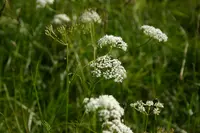
Conopodium pyrenaeum is a small, tuber-forming perennial from the carrot family, valued mainly for its edible underground tubers called earthnuts. It produces slender, upright stems topped with delicate white umbels, giving it a fine, airy look when in leaf. Native to parts of western and central Europe, it typically grows in open woodlands, hedgerows, and light grasslands with reasonably moist, well-drained soils.

The plant has a dormant phase, dying back completely above ground after its growing season, which can confuse new growers. Understanding this natural cycle is important for anyone who wants to learn how to care for Conopodium pyrenaeum and keep the tubers healthy from year to year.

Main Plant Requirements

Care Difficulty

Moderate Care

Light Preference

Partial Shade

Water Requirements

Moderate Water

Temperature Preference

Cool Climate

Hardiness Zone

6–9

Soil Texture

Loamy, Sandy, Organic-rich

Soil pH

Acidic (5.5–6.5), Slightly acidic (6.5–7.0)

Soil Drainage

Moist but well-drained

Fertilization

Minimal (feed rarely)

Get Personalized Care Plan

Scan your plant to receive care tips personalized for your specific plant

Available on iOS and Android

How to Care for the Conopodium pyrenaeum

This woodland bulb prefers soft, indirect light rather than intense, all-day sun.

  • Provide 3–5 hours of gentle morning sun with light dappled or filtered shade for the rest of the day, especially in summer.
  • Site Conopodium pyrenaeum under open deciduous trees or on an east-facing edge so foliage gets spring sun before the canopy closes.
  • Avoid strong midday and afternoon sun, which can scorch leaves; in deep shade, expect weaker flowering and a more open, leggy habit.

This species prefers evenly moist, well-drained soil during active growth, then drier conditions in dormancy.

  • In spring growth, water when the top 2–3 cm of soil feel dry, aiming for consistently moist but never waterlogged conditions.
  • Use a free-draining, humus-rich soil so excess water runs through; standing water around the small tubers increases rot risk.
  • Reduce or stop watering once foliage yellows and dies back in summer dormancy, restarting only when new shoots emerge in the next growth cycle.

This cool-temperate bulb is adapted to mild, not extreme, temperature ranges through the year.

  • Optimal growth occurs around 50–68°F (10–20°C), typical of cool spring conditions in temperate climates.
  • Tolerates winter cold down to about 23°F (-5°C) if soil is well drained; prolonged frozen, waterlogged ground greatly raises rot risk.
  • Handles brief summer warmth up to about 77–82°F (25–28°C), but sustained hotter, dry conditions can shorten its growing season and push earlier dormancy.

This woodland bulb tolerates typical indoor humidity and does not have demanding moisture-in-air needs.

Conopodium pyrenaeum prefers light, well-aerated soil that stays evenly moist but never waterlogged.

  • Use a loose, sandy loam enriched with fine compost to mimic woodland leaf litter and support the underground tubers.
  • Ensure fast drainage by adding 20–30% grit or coarse sand so water runs through within seconds, not minutes.
  • Keep pH slightly acidic to neutral (pH 6.0–7.0); avoid chalky soils that stay wet and smear when squeezed.
  • Break up compaction by gently loosening the top 3–5 cm each season so air and water reach the tuber zone.

This species can be grown successfully in containers when depth and drainage are managed carefully.

  • Choose a deep pot (at least 20–25 cm) so the slender tubers can develop vertically without curling or crowding.
  • Use a free-draining mix over a 2–3 cm base layer of coarse gravel to prevent the lower tubers from sitting in runoff.
  • Select a breathable terracotta pot if outdoor rainfall is high, as it speeds evaporation and reduces prolonged saturation.

This woodland bulb needs only light feeding when grown in lean garden soils or containers.

  • Apply a thin layer of garden compost or leaf mold in early spring as new growth appears.
  • For containers, use a balanced, slow-release fertilizer (around 10-10-10) mixed sparingly into the potting medium.
  • If using liquid feed, dilute to 1/4–1/2 strength and apply once a month during active growth only.
  • Stop feeding once foliage begins to yellow and Conopodium pyrenaeum enters dormancy.

This plant needs minimal pruning, mainly to keep clumps tidy and healthy.

  • In late spring or early summer, remove faded flower stems at the base to keep the plant neat.
  • Allow foliage to yellow and die back naturally before trimming, so bulbs can store energy.
  • Use clean, sharp scissors or hand pruners to cut only dead, damaged, or diseased growth.
  • Avoid cutting green leaves heavily, as this can weaken flowering in the next season.

This small bulb is usually grown in the ground and dislikes frequent disturbance.

  • Transplant only when clumps become congested or flowering declines, typically every 3–5 years.
  • Lift bulbs in late summer when the plant is fully dormant and foliage has disappeared.
  • Gently loosen soil, separate offsets by hand, and replant at the same depth in well-drained soil.
  • Water lightly after transplanting to settle soil, then keep evenly moist but not waterlogged while roots re-establish.

This species is usually increased by seeds or by dividing small bulbs once established.

  • Sow fresh seed in late summer or autumn in deep trays of free-draining, gritty compost.
  • Keep seed pots cool and evenly moist; germination may take many months through natural winter chilling.
  • For division, lift dormant bulbs, separating offsets without cutting, and replant promptly.
  • Label trays and planting areas clearly, as young Conopodium pyrenaeum seedlings are fine and easily overlooked.

Hardy in most temperate climates, this bulb usually needs only modest winter care outdoors.

  • Tolerates typical frosts but benefits from sharply drained soil to prevent bulb rot in wet winters.
  • Apply a light mulch of leaf mold or compost in late autumn, avoiding heavy, water-retentive materials.
  • For container plants in very cold regions, move pots to a cold but frost-sheltered spot such as an unheated garage.

Care Tips

Mark tuber zones

When foliage dies back, mark the patch with labels or small stones so the dormant tubers are not disturbed by later digging or replanting nearby.

Use gritty mulch

Apply a thin top layer of fine gravel or grit after planting to keep the crown slightly drier, reduce soil splash on foliage, and help prevent rot in wet spells.

Staggered lifting

If tubers are to be harvested, lift only a portion of the clump each year, leaving smaller tubers in place to maintain a self-renewing population.

Encourage self-seeding

Allow some flower heads to dry and drop seed in situ, disturbing the soil surface very lightly in late summer to help seedlings establish in the same microhabitat.

Companion ground layer

Plant low, shallow-rooted companions such as short grasses or low herbs to shade the soil lightly and mark the area while the umbel is dormant, which supports long-term success when growing Conopodium pyrenaeum.

Common Pests and Diseases

Slugs and snails

This pest primarily attacks young foliage and emerging shoots, often leaving irregular holes and shredded leaf edges near ground level.

Solution

Reduce hiding places such as dense debris, use slug traps or beer traps around plantings, and hand-pick at dusk or after rain. In vulnerable clumps, place copper tape around pots or use wildlife-safe slug pellets sparingly to protect new growth when growing Conopodium pyrenaeum in gardens or containers.

Narcissus bulb fly

These insects may lay eggs near the small tubers, and the larvae tunnel into the corm-like storage organs, causing weak, stunted growth or plant collapse.

Solution

Lift and inspect dormant tubers, discarding any that feel soft or show tunneling, and replant only firm, healthy material. In areas with known issues, cover emerging foliage with fine mesh in late spring to reduce egg-laying, and avoid leaving damaged or discarded bulbs exposed in the garden.

Grey mould (Botrytis)

This disease can affect foliage and flower stems in cool, damp conditions, leading to soft, brown patches that develop a grey, fuzzy mould.

Solution

Improve air circulation around the plant, avoid wetting leaves when watering, and promptly remove any infected foliage or flowers. In persistent cases, thin crowded plantings and ensure soil drains well so the crown does not remain wet for long periods.

Basal bulb rot

Symptoms include yellowing and collapse of foliage from the base, often in poorly drained soils where the tubers stay wet and start to decay.

Solution

Dig up affected plants, discard all soft or discolored tubers, and improve site drainage before replanting, for example by adding grit or raising the bed. Water only when the soil surface begins to dry and avoid planting in heavy, waterlogged ground.

Interesting Facts

Edible underground nutlets

This species forms small underground tubers, often called earthnuts or pig nuts, that are edible and have a mild, nutty flavor traditionally foraged in parts of western Europe.

Specialist woodland niche

It naturally occurs in light, acid to neutral woodlands and hedgebanks in Atlantic Europe, where it thrives in seasonally moist, humus-rich soils under partial shade.

Fine umbel flowers

The plant produces delicate white umbels typical of the carrot family (Apiaceae), which provide nectar and pollen for a range of small insects early in the summer.

Botan icon

Did you know?

Historically, its small tubers were dug up and eaten as a minor wild food in rural Britain and Ireland, and the species has recently attracted interest in Europe as a potential niche root crop for grower experimentation and research into alternative edible plants.

FAQs about Conopodium pyrenaeum

Yes, the small underground tubers are edible and traditionally foraged in parts of western Europe as a nutty, starchy food. Only harvest from clean, pesticide‑free sites and avoid confusing it with any poisonous umbellifer relatives.

Grow Healthy Plants with Botan Care

Keep your plants happy and healthy with plant identification, disease detection, and easy care guidance.

Botan plant care app — identify plants on mobile

Explore More Plants