Encourage Self-Seeding
Leave a portion of spent flower stalks standing until late fall so seeds can mature and drop, then lightly rake the soil surface to help natural reseeding for the next season when growing hairy evening primrose.

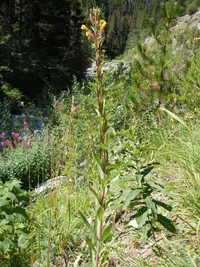
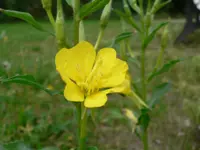
Hairy evening primrose (Oenothera villosa) is a herbaceous perennial wildflower known for its hairy stems and leaves and soft yellow, four-petaled blooms. It typically forms upright clumps and can self-seed, creating loose colonies over time.
This species is native to North America, often found in prairies, roadsides, and open, well-drained sites. It adapts to poor soils and tolerates drought once established, which generally makes it low-maintenance.
Gardeners who want to care for hairy evening primrose should note that it prefers full sun, moderately dry conditions, and soils that do not stay waterlogged.

Care Difficulty
Easy Care

Light Preference
Full Sun

Water Requirements
Low Water

Temperature Preference
Cold Hardy

Hardiness Zone
3–8

Soil Texture
Sandy, Loamy, Rocky

Soil pH
Slightly acidic (6.5–7.0), Neutral (7.0)

Soil Drainage
Well-drained

Fertilization
Minimal (feed rarely)
Scan your plant to receive care tips personalized for your specific plant
Available on iOS and Android
This species thrives in full sun but tolerates some light shade, especially in hot regions.
Oenothera villosa prefers dry to moderately moist soil and is adapted to drought once established.
This hardy perennial tolerates a wide temperature range but performs best in moderate warmth.
This species is highly tolerant of dry conditions, so indoor humidity rarely limits growth.
This species prefers lean, sandy to sandy-loam soil with rapid drainage.
This species can be grown in containers, but only if drainage is very sharp and the mix stays relatively dry.
This drought-tolerant native needs only light feeding in average garden soil, so caring for hairy evening primrose focuses more on sun and drainage than on fertilizer.
Pruning Oenothera villosa is mainly about cleanup and managing spread rather than shaping a formal plant.
This species is usually grown in the ground, so focus on careful transplanting rather than frequent repotting.
Propagation of Oenothera villosa is straightforward from seed and also possible by division in established clumps.
This cold-hardy perennial needs minimal winter care in most temperate climates.

Plant Health Check
Not sure what's wrong with your plant? Check your plant's health inside the app.
The pale yellow, fragrant flowers open in the evening and are primarily pollinated by night-flying moths that can detect the bloom’s scent and pale color under low light.
The dense hairs on stems and leaves reduce water loss and offer protection from herbivores and intense sunlight in its typically dry, open habitats.
Its small seeds can persist in the soil seed bank and germinate when the soil is disturbed, allowing the plant to quickly colonize prairies, roadsides, and other open sites.

In parts of the northern Great Plains, this species is considered an important native pioneer plant, often establishing early on disturbed or degraded sites and helping stabilize soil while longer-lived prairie species reestablish.
This species self-seeds readily and can form loose colonies, especially in open, disturbed soil. In managed beds, remove spent seed heads or unwanted seedlings each season to prevent it from dominating more delicate neighboring plants.
Keep your plants happy and healthy with plant identification, disease detection, and easy care guidance.