reed canarygrass Care (Phalaris arundinacea)

Also known as: reed-grass, reed-canary grass, Zebra Grass
reed canarygrass

About reed canarygrass

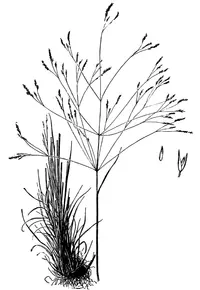
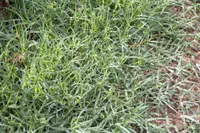
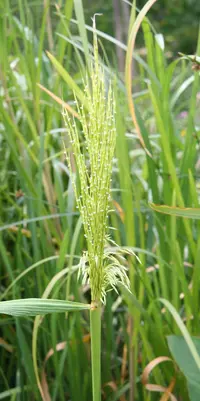
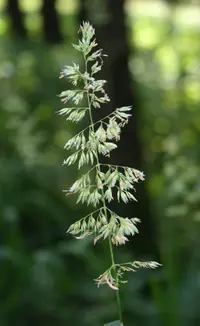
Reed canarygrass, Phalaris arundinacea, is a hardy, cool-season perennial grass that forms dense, upright clumps and spreads aggressively by rhizomes. It often reaches impressive height and quickly dominates open spaces.

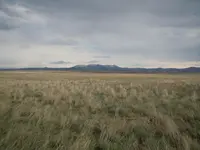
This species is common along streams, wetlands, ditches, and moist meadows across temperate regions, including much of North America and Europe. It is valued for erosion control and forage but can become invasive in natural habitats.

Reed canarygrass is generally easy to establish in moist to wet soil with full sun and tolerates fluctuating water levels and compacted substrates. Those who want to care for reed canarygrass in gardens or managed landscapes must plan carefully to contain its spread and avoid ecological issues.

Main Plant Requirements

Care Difficulty

Easy Care

Light Preference

Full Sun

Water Requirements

Aquatic

Temperature Preference

Cold Hardy

Hardiness Zone

3–9

Soil Texture

Loamy, Clay, Silty

Soil pH

Acidic (5.5–6.5), Slightly acidic (6.5–7.0)

Soil Drainage

Waterlogged tolerant

Fertilization

Minimal (feed rarely)

Get Personalized Care Plan

Scan your plant to receive care tips personalized for your specific plant

Available on iOS and Android

How to Care for the reed canarygrass

This cool-season grass thrives in open, bright sites with consistent sun exposure.

  • Provide 6–8 hours of direct sun daily; reed canarygrass tolerates light partial shade but grows densest in full sun.
  • In hot summers, give morning sun with light afternoon shade to limit leaf scorch, especially in dry or exposed locations.
  • Monitor seasonal changes: as nearby trees leaf out, reduced light can cause weaker, floppier stems; thin shade or relocate divisions if needed.

This species prefers consistently moist to wet conditions and does not tolerate drying out for long.

  • Maintain soil that feels consistently moist; in the top 2–5 cm, avoid letting soil turn completely dry and cracked, especially during active growth.
  • In summer, increase watering if natural rainfall is low, targeting shallow, frequent applications that keep the root zone damp rather than briefly saturated.
  • Watch for stress: curling or browning tips suggest underwatering, while foul odor, slimy roots, or algae on persistently standing water indicate poor drainage and overwatering.

This hardy grass is adapted to cool to temperate climates and withstands a wide temperature range outdoors.

  • Optimal growth occurs around 60–75°F (16–24°C), with strongest vigor in cool spring and early summer conditions.
  • Plants tolerate winter cold well, often surviving down to about -20°F (-29°C) once established, with foliage naturally dying back and regrowing in spring.
  • Heat tolerance is moderate; during periods above 85–90°F (29–32°C), growth slows, so combine consistent moisture with some shelter from dry, hot winds to reduce stress.

Humidity is not a major concern for Phalaris arundinacea in typical outdoor conditions.

Phalaris arundinacea thrives in moist, heavy soils but adapts to a range of structured mixes in cultivation.

  • Use a loamy or clay-loam substrate with high organic matter to mimic its natural wetland conditions.
  • Allow slow to moderate drainage; soil should stay consistently moist but not remain submerged for long periods in containers.
  • Target a soil pH of 5.5–7.5; mix in composted bark or leaf mold to buffer pH and add structure.
  • Avoid very sandy, fast-draining, or compacted soils; improve aeration by blending in 20–30% coarse sand or fine gravel where waterlogging is a risk.

This species can be grown in containers, mainly to confine its spreading roots and manage moisture.

  • Choose a wide, heavy container to resist tipping as tall foliage and rhizomes create a top-heavy clump.
  • Select a pot material like thick plastic or glazed ceramic to slow moisture loss while still allowing drainage through the base.
  • Sink the container partly into the ground near water margins to keep roots cool and evenly moist without flooding the crown.

This vigorous grass usually needs little feeding, especially in rich or wet soils.

  • If growth is weak in poor soil, apply a balanced slow-release NPK fertilizer once in early spring.
  • Use a low-to-moderate rate; for liquids, dilute to 1/2 strength to limit excessive, floppy growth.
  • Avoid additional feeding after midsummer so reed canarygrass can harden growth before winter.
  • In wet sites, favor light compost topdressing over frequent synthetic fertilizer applications.

Pruning Phalaris arundinacea helps manage its spread and maintain a tidy clump.

  • Cut back all foliage to 5–10 cm in late winter or very early spring before new shoots emerge.
  • Remove dead, damaged, or lodging stems during the season with clean, sharp shears or a scythe.
  • Thin crowded patches by taking out entire sections, which improves air flow and reduces disease risk.
  • Edging or spading along borders controls rhizome spread and keeps the planting within bounds.

This grass is more often transplanted in the ground than repotted, due to its strong rhizomes.

  • Plan transplanting for early spring or early fall when temperatures are mild and soil is moist.
  • Move clumps when they become congested, show slow growth, or form thick, matted root masses.
  • Lift and divide the root ball into sections with a spade or knife, keeping several healthy shoots per piece.
  • Replant divisions at the same depth, water thoroughly, and shade lightly for a few days to limit stress.

Phalaris arundinacea is most commonly propagated by division, which maintains desirable forms.

  • Divide established clumps in early spring or early fall when soil is cool and moist.
  • Use a spade to slice the clump into sections, each with strong shoots and a solid root portion.
  • Replant divisions promptly at the original depth, firm soil around roots, and water deeply.
  • For seed propagation, sow in moist, exposed soil; keep evenly damp until seedlings establish.

This cool-season grass is generally cold hardy and needs little winter care in most climates.

  • Tolerates freezing and snow once established, with crowns surviving low winter temperatures.
  • Allow foliage to brown naturally, then cut back in late winter rather than fall for extra crown insulation.
  • In very exposed or new plantings, add a light mulch layer around the base to stabilize soil temperatures.
  • Container-grown plants in cold regions benefit from moving pots to a sheltered, unheated location.

Care Tips

Contain Rhizome Spread

Install a rhizome barrier 30–45 cm deep or grow in large containers sunk into the ground to keep reed canarygrass from invading surrounding beds and waterways.

Timed Mowing Control

In invasive situations, cut plants to 5–10 cm just before flowering, then repeat in 4–6 weeks to weaken rhizomes and reduce seed production without relying solely on herbicides.

Rotational Patch Management

Divide large stands into sections and manage (mow, thin, or renovate) one section per year so wildlife habitat and soil cover remain while controlling excessive density.

Use As Forage

If local regulations allow, manage stands through periodic grazing or cutting for hay, which keeps growth in check and provides a practical output when growing reed canarygrass on larger properties.

Monitor Water Edges

Along ponds, ditches, or streams, inspect margins each season and remove new outlying clumps by digging out rhizomes early, before they form dense monocultures that are much harder to control.

Everything About reed canarygrass

Common Pests and Diseases

Leaf spot

This disease causes brown to dark olive spots on leaves that can merge into larger lesions, especially in dense, wet stands. Symptoms include premature yellowing and reduced vigor in heavily affected patches.

Solution

Remove and destroy heavily spotted foliage where practical and avoid overhead irrigation to keep leaf surfaces drier. Improve airflow by thinning dense clumps, reduce nitrogen overfertilization that encourages lush, susceptible growth, and in high‑value plantings consider a labeled grass fungicide applied preventively during prolonged wet periods as part of broader Phalaris arundinacea care instructions.

Rust

This disease appears as orange‑brown to dark pustules on leaf surfaces that release powdery spores and may cause leaves to yellow and dry early. Symptoms include a dusty residue that can rub off on hands or clothing when the foliage is handled.

Solution

Mow or cut back and remove infected foliage to lower the spore load, and allow new, clean growth to emerge. Reduce leaf wetness by improving drainage and spacing, water early in the day so leaves dry quickly, and if rust recurs in the same site, rotate or thin plantings to reduce long periods of humidity around the leaves.

Smut

This disease replaces normal flower and seed structures with dark, sooty spore masses that may break open and spread during wind or handling. Symptoms include distorted panicles and poor seed set in affected stems.

Solution

Cut and remove infected flowering stems before spores disperse and dispose of them in the trash rather than composting. Maintain good stand vigor through appropriate mowing or cutting schedules and avoid moving contaminated seed heads or soil to new planting areas to limit spread.

Grasshoppers

These insects chew long, irregular holes along reed canarygrass leaves and can strip foliage noticeably during dry, hot periods. Symptoms include ragged leaf edges and sometimes almost skeletonized blades in severe outbreaks.

Solution

Encourage natural predators such as birds by maintaining nearby habitat and avoid unnecessary broad‑spectrum insecticides that would remove them. In small plantings, hand removal and shaking insects into a bucket of soapy water, combined with keeping surrounding weeds short, usually keeps damage below a serious level.

Aphids

These insects cluster on tender stems and leaf bases, sucking sap and causing leaf curling, yellowing, or stunted new growth. Symptoms include sticky honeydew on foliage and possible sooty mold growth on that residue.

Solution

Spray affected foliage with a strong stream of water to dislodge colonies and repeat as needed, focusing on leaf undersides and tight leaf bases. For persistent infestations, use insecticidal soap or a light horticultural oil labeled for ornamental grasses, applied in the early morning or evening to avoid leaf burn and to protect beneficial insects as much as possible.

Interesting Facts

Widespread invasive grass

Reed canarygrass is native to parts of Eurasia and North America, but many cultivated strains have become highly invasive in North American wetlands, forming dense, nearly pure stands that outcompete many native marsh plants.

Deep, fibrous root system

This species develops an extensive network of fibrous roots and rhizomes (horizontal underground stems) that stabilize soil along streams and ditches, but the same trait makes it difficult to remove once established.

High tolerance to flooding

Reed canarygrass tolerates prolonged soil saturation and shallow flooding, allowing it to dominate disturbed riparian areas, drainage ditches, and wet meadows where water levels fluctuate.

Botan icon

Did you know?

Historically, reed canarygrass was intentionally selected and planted in many temperate regions as a high-yield forage and erosion-control grass, and these vigorous agronomic varieties are now thought to be a major source of the aggressive populations that spread rapidly through modern wetlands.

FAQs about reed canarygrass

This species spreads vigorously by both rhizomes and seed. In many regions it is considered invasive, especially in wetlands, where it can quickly form dense monocultures and outcompete native vegetation if not actively contained or managed.

Grow Healthy Plants with Botan Care

Keep your plants happy and healthy with plant identification, disease detection, and easy care guidance.

Botan plant care app — identify plants on mobile

Explore More Plants