tropical horseweed Care (Erigeron sumatrensis)

Also known as: Guernsey Fleabane, Tall Fleabane, Broad Leaved Fleabane, High Fleabane
tropical horseweed

About tropical horseweed

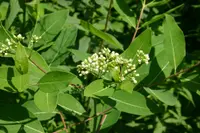
Tropical horseweed, Erigeron sumatrensis, is a fast-growing annual herb in the daisy family that often appears as a tall, upright weed. It forms narrow, rough leaves along a branched stem and produces many small, pale flower heads that mature into fluffy seed clusters.

This species is native to tropical Asia but now grows widely in warm and subtropical regions around the world, especially in disturbed soils and urban areas. It spreads readily by wind-borne seeds, which makes it persistent and sometimes invasive in gardens and fields.

Because it tolerates poor soils, heat, and irregular moisture, it is generally easy to keep alive, though controlling its spread can be challenging. Anyone who wants to care for tropical horseweed should provide open light, moderate moisture, and well-drained soil.

Main Plant Requirements

Care Difficulty

Easy Care

Light Preference

Full Sun

Water Requirements

Moderate Water

Temperature Preference

Warm Climate

Hardiness Zone

8–11

Soil Texture

Sandy, Loamy, Clay

Soil pH

Acidic (5.5–6.5), Slightly acidic (6.5–7.0)

Soil Drainage

Well-drained

Fertilization

Minimal (feed rarely)

Get Personalized Care Plan

Scan your plant to receive care tips personalized for your specific plant

Available on iOS and Android

How to Care for the tropical horseweed

This fast-growing species prefers open, sunny sites but tolerates some light variation.

  • Provide 6–8 hours of direct sun daily; full sun promotes compact growth and abundant flowering in tropical horseweed.
  • Allow light afternoon shade in very hot regions to reduce leaf scorch and excessive drying, especially on exposed sites.
  • In cooler months, prioritize maximum sun exposure, while in summer protect from reflected heat off walls or pavement that can stress plants.

This plant is drought-tolerant once established and prefers moderately dry conditions.

  • Water only when the top 3–5 cm of soil feels completely dry; established plants in the ground may go 7–14 days between deep soakings in warm weather.
  • Use sharply drained, sandy or gravelly soil to prevent waterlogging, which can cause root rot, wilting foliage, or a sour smell in the root zone.
  • Reduce watering in cool seasons; underwatering shows as limp, dull leaves, while yellowing and soft stems suggest excess moisture.

This species thrives in warm climates and handles a broad outdoor temperature range.

  • Optimal growth occurs around 70–85°F (21–29°C), where stems elongate rapidly and flowering is most vigorous.
  • Plants tolerate heat up to about 95°F (35°C) if soil is not waterlogged and roots are mulched to limit temperature swings.
  • It survives brief drops near 32°F (0°C) but is damaged by hard frost; growth slows noticeably below 50°F (10°C) and resumes as temperatures rise.

This species handles a wide humidity range and rarely needs special humidity management.

  • Aim for 30–60% relative humidity; levels typical of most homes and outdoor settings are acceptable.
  • Dry air is tolerated well, but prolonged heat with very low humidity can cause leaf edge browning and faster wilting.
  • If plants show humidity stress, group pots together or place containers near a tray of water and stones, though tropical horseweed usually recovers once watered appropriately.

Erigeron sumatrensis grows best in light, free-draining soil that does not stay wet.

  • Use a sandy or loamy mix with moderate organic matter; combine roughly 2 parts regular potting mix with 1 part coarse sand or perlite for structure.
  • Ensure fast drainage to prevent root rot; water should pass through the profile quickly and not pool around the roots.
  • A slightly acidic to neutral pH around 6.0–7.0 suits this species and helps nutrient availability without additional adjustment in most garden soils.
  • Avoid heavy clay, compacted zones, or sites that remain waterlogged after rain; add coarse material or plant on a low mound to improve aeration.

This species is suitable for container growing in outdoor settings.

  • Choose a stable, relatively wide container so the tall, airy stems do not tip the pot in wind or after rain.
  • Select a pot material with some weight, such as ceramic or thick-walled plastic, to keep the container steady as the plant elongates.
  • Use a pot with multiple drainage holes and elevate it slightly on pot feet or bricks so water exits quickly and does not re-enter through the base.

This adaptable wild species usually needs little feeding, but light nutrition can support growth in poor soils when caring for tropical horseweed.

  • Use a balanced, diluted liquid fertilizer (for example 10-10-10 at 1/4–1/2 strength) only on nutrient-poor sites.
  • Apply once every 4–6 weeks during the main growing season if plants show pale, weak growth.
  • Avoid fertilizing in winter or when growth is dormant to prevent soft, frost-prone tissues.
  • Compost or a slow-release, low-rate granular product can be lightly worked into soil in spring for sustained nutrition.

Pruning Erigeron sumatrensis is mainly about containment and tidiness rather than plant health.

  • Cut back tall, leggy stems in late winter or early spring to reduce height and encourage bushier growth.
  • Remove dead, damaged, or crossing stems with clean hand pruners to reduce disease risk and improve airflow.
  • Deadhead spent flower clusters before seeds mature if limiting self-seeding is a priority.
  • Dispose of seed-rich cuttings in garden waste bags rather than compost to prevent unwanted spread.

This species is usually grown in the ground, so management focuses on careful transplanting rather than frequent repotting.

  • Transplant young plants in early spring or early fall when temperatures are mild and soil is workable.
  • Move plants if growth is stunted, they are shading other species, or clumps become too dense in one spot.
  • Lift with a wide root ball, keep roots shaded and moist, and replant at the same soil depth, then water thoroughly.
  • Container-grown plants only need moving up a size if roots circle the pot or water drains too quickly.

Erigeron sumatrensis spreads mainly by seed, which makes propagation straightforward but potentially invasive in suitable climates.

  • Collect seed from mature, fluffy seed heads and sow thinly on the soil surface in spring or early fall.
  • Use a free-draining mix, keep evenly moist, and provide bright light; seeds need light contact to germinate well.
  • Avoid covering seeds heavily; press them gently into the mix to maintain contact without burying.
  • Thin or transplant seedlings once they have several true leaves, spacing them to prevent crowding.

In mild to moderate climates this species is generally hardy and needs minimal winter care.

  • In areas with occasional frost, leave old stems standing until late winter to help shield the crown.
  • Apply a light mulch layer around the base in late fall in colder regions, keeping mulch off the stems.
  • Move container plants to a sheltered, unheated spot where soil does not freeze solid for long periods.

Care Tips

Rogue Early Seedlings

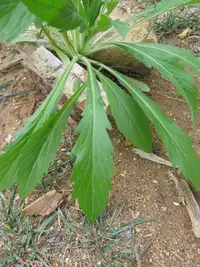
Hand-pull or hoe out young plants before they form a strong taproot to keep seed numbers low and make future management of growing tropical horseweed much easier.

Use Mulch Barriers

Apply a 5–8 cm layer of coarse organic mulch around desired plants or in bed edges to block light and drastically reduce seed germination from this species.

Time Cutting Correctly

If cutting or mowing stands, do it when flower buds are just forming but before fluff-like seed heads appear, as this timing prevents most viable seed production.

Bag Seeding Plants

On isolated plants you want to monitor rather than spread, tie a breathable paper or fabric bag over upper stems before seeds mature, then remove and dispose of the entire bagged inflorescence.

Monitor Wind Corridors

Inspect and remove plants along fence lines, driveways, and other wind corridors first, since wind-dispersed seeds from these exposed individuals can rapidly colonize the rest of the property.

Common Pests and Diseases

Rust

This disease causes small orange to brown pustules on the undersides of leaves and can lead to premature leaf drop in dense stands. Symptoms include reduced vigor, especially in humid, crowded conditions.

Solution

Remove and destroy heavily infected leaves or plants to lower the spore load, and avoid overhead watering in cultivated settings. Improve spacing and airflow around plants, and if needed use a sulfur or chlorothalonil-based fungicide labeled for rust, applied according to directions.

Powdery mildew

This disease produces white, powdery fungal growth on leaf surfaces, stems, and sometimes flower stalks, especially in warm, dry conditions with high humidity at night. Symptoms include distorted new growth and reduced flowering.

Solution

Increase air circulation by thinning nearby vegetation and avoid high-nitrogen fertilization that drives soft new growth. In garden or nursery settings, treat early with a bicarbonate, neem oil, or horticultural oil product labeled for powdery mildew, ensuring full coverage of affected surfaces.

Aphids

These insects feed on young stems and flower shoots, sucking sap and causing curling or yellowing leaves, stunting, and sticky honeydew on foliage. This pest can also promote sooty mold growth on the honeydew and act as a vector for viruses.

Solution

Dislodge colonies with a strong stream of water and remove heavily infested shoot tips if practical. In managed plantings, introduce or conserve natural enemies such as lady beetles, or use insecticidal soap or a light horticultural oil, repeating applications until populations collapse.

Leaf miners

These insects create pale, winding tunnels within leaves as larvae feed between the leaf surfaces, which can reduce photosynthesis and weaken dense patches. Symptoms include serpentine or blotchy trails that turn brown over time.

Solution

Remove and dispose of mined leaves before larvae complete development, reducing the next generation. Where pressure is high, use sticky traps to monitor adult flies and consider a systemic insecticide labeled for leaf miners in non-native, managed stands, following local regulations and label instructions.

Virus complex

This disease group includes sap-transmitted viruses that cause mottled, yellow, or distorted leaves and general decline, often in plants growing near agricultural crops. Symptoms include patchy chlorosis, stunting, and poor flowering with no clear sign of fungal growth or insects on the leaf surface.

Solution

Rogue and destroy symptomatic plants to reduce virus reservoirs near crops, and manage sap-feeding insects such as aphids that spread viruses. Avoid moving potentially infected plant material and tools between sites, and limit growing tropical horseweed close to virus-sensitive crops where possible.

Interesting Facts

Origin and rapid spread

This species is native to tropical regions of South America but has rapidly colonized many other warm and temperate regions across Europe, Africa, Asia, and Australia, largely along disturbed sites such as roadsides and crop fields.

Extraordinary seed dispersal

The plant produces many small, wind-dispersed seeds with a pappus (a tuft of fine hairs) that allows them to travel long distances and efficiently colonize open, disturbed ground.

Tall annual growth

Unlike many low-growing fleabanes, this species can reach 1–2 m in a single growing season, forming tall, narrow stems with numerous small flower heads arranged in loose clusters.

Botan icon

Did you know?

In several regions, including parts of Europe and South America, this species has evolved resistance to common herbicides such as glyphosate, making it a significant model for studying herbicide resistance in weed science.

FAQs about tropical horseweed

This species self-seeds very freely and forms dense stands if not managed. Seed is wind-dispersed and can travel far. Deadhead before seeds mature, or remove plants before flowering, to limit spread in gardens or disturbed areas.

Grow Healthy Plants with Botan Care

Keep your plants happy and healthy with plant identification, disease detection, and easy care guidance.

Botan plant care app — identify plants on mobile

Explore More Plants