Congo cockatoo Care (Impatiens niamniamensis)

Congo cockatoo

About Congo cockatoo

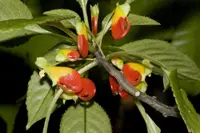
Congo cockatoo (Impatiens niamniamensis) is a compact, shrubby perennial often grown as a houseplant or seasonal container plant. Its showy, parrot-shaped flowers give it a very distinctive look. Leaves are glossy, medium green, and form a dense canopy around upright, branching stems. In good conditions it flowers for long periods, adding strong color to shaded spaces. This species is native to central tropical Africa, where it grows in warm, humid, and partially shaded forest environments. It is moderately easy to grow if its need for consistent moisture, good drainage, and stable indoor temperatures is met. Understanding how to care for Congo cockatoo helps keep it vigorous and flowering well indoors.

Main Plant Requirements

Care Difficulty

Moderate Care

Light Preference

Partial Shade

Water Requirements

Keep Soil Moist

Temperature Preference

Tropical / Frost Sensitive

Hardiness Zone

10–11

Soil Texture

Loamy, Peaty, Organic-rich

Soil pH

Acidic (5.5–6.5), Slightly acidic (6.5–7.0)

Soil Drainage

Moist but well-drained

Fertilization

Moderate (every 2–4 weeks)

Get Personalized Care Plan

Scan your plant to receive care tips personalized for your specific plant

Available on iOS and Android

How to Care for the Congo cockatoo

Impatiens niamniamensis prefers bright but gentle light that mimics a lightly shaded forest edge.

  • Provide 3–5 hours of soft morning sun with bright, dappled or filtered light the rest of the day; avoid harsh midday and afternoon sun, especially in summer.
  • Grow Congo cockatoo in partial shade outdoors, such as an east-facing exposure or under high, open tree canopy that breaks direct rays.
  • Watch leaves for stress: pale, scorched, or crispy edges indicate too much sun, while long, weak stems and poor flowering signal insufficient light.

This species needs consistently moist but never waterlogged soil to stay healthy and flower well.

  • Water when the top 2–3 cm of soil feels slightly dry, aiming for evenly damp soil through the root zone rather than short, shallow splashes.
  • Ensure free-draining soil and unobstructed drainage holes or soil pores so excess water runs off, reducing risk of root rot and fungal problems.
  • In hot, dry weather, expect faster drying and more frequent watering; drooping leaves that perk up after watering suggest thirst, while yellowing, mushy stems point to overwatering.

Stable, warm conditions support strong growth and reliable flowering.

  • Aim for 65–80°F (18–27°C) as the main growing range, which supports active growth and continuous bud formation.
  • Protect from cold; growth slows below about 55°F (13°C), and tissue damage can occur near 40°F (4°C), with any frost likely to kill the plant.
  • In hot spells above 86°F (30°C), provide shade and extra hydration, and avoid reflected heat from walls or pavements that can overheat roots and foliage.

This species prefers moderately high, stable humidity for best growth.

  • Aim for 50–70% humidity; it copes briefly with 40% but growth and flowering decline if kept drier.
  • Dry air stress shows as limp leaves, browning edges, and flower buds dropping before opening on Congo cockatoo stems.
  • Raise humidity with a nearby humidifier, grouped plants, or a wide pebble tray under the pot, but keep the pot base above standing water.

This plant needs a light, moist, well-drained mix that never stays waterlogged.

  • Use a loose, organic-rich mix such as 2 parts peat- or coir-based potting mix, 1 part fine bark, and 1 part perlite.
  • Ensure free drainage; the mix should feel springy and crumbly, not compacted or sticky after watering.
  • Keep pH slightly acidic to neutral, around 6.0–7.0, avoiding strongly alkaline mixes that can reduce nutrient uptake.
  • Improve aeration by incorporating perlite or pumice and avoid heavy garden soil, clayey mixes, or pots without drainage holes.

This species is well suited to container growing for patios, balconies, or sheltered spots.

  • Choose a pot slightly wider than the root ball but not excessively deep to keep moisture evenly distributed around the roots.
  • Use a stable, heavier container if the plant becomes top-heavy so wind or accidental knocks do not tip it over.
  • Select pot materials with moderate moisture retention, such as glazed ceramic or thick plastic, to prevent the mix from drying out too quickly between waterings.

Impatiens niamniamensis responds well to modest, consistent nutrition during its main growing season.

  • Use a balanced liquid fertilizer (such as 10-10-10) at 1/2 strength every 2–3 weeks in spring and summer.
  • Alternatively, apply a light layer of fine compost or a low-dose slow-release fertilizer at the start of the season.
  • Pause or reduce feeding to once every 4–6 weeks at very weak strength in fall and winter, especially indoors.
  • For Congo cockatoo in pots, water before fertilizing to limit root burn and salt buildup.

Pruning helps Impatiens niamniamensis maintain a compact, branching form and continuous flowering.

  • Best time is late winter to early spring, before vigorous new growth begins.
  • Use clean, sharp scissors or snips to remove dead, damaged, or leggy stems back to healthy nodes.
  • Pinch soft tips of young shoots to encourage bushier growth and more flowering sites.
  • Thin crowded interior stems to improve air movement, reducing risk of fungal diseases.

This plant adapts well to containers and may need periodic repotting as roots fill the pot.

  • Check for roots circling the pot base, pushing through drainage holes, or unexplained slow growth as signs to repot.
  • Plan repotting in spring, every 1–2 years, stepping up only 1 pot size with fresh, well-drained mix.
  • Water thoroughly the day before, then gently loosen the root ball and trim only broken or rotten roots.
  • After repotting, firm soil lightly, water to settle roots, and keep in bright, indirect light for 3–5 days to reduce stress.

New plants are most commonly produced from softwood stem cuttings.

  • Take 7–10 cm non-flowering cuttings in late spring or summer from healthy Impatiens niamniamensis stems.
  • Remove lower leaves, optionally dip the cut end in rooting hormone, and insert into moist, sterile potting mix.
  • Maintain 70–75°F, high humidity, and bright, indirect light until roots develop in 2–4 weeks.
  • Seed propagation is possible but slower; sow fresh seed on the surface of a fine seed mix and keep evenly moist.

This species is frost-tender and needs protection wherever temperatures fall near freezing.

  • Bring container plants indoors before temperatures drop below 45°F, placing them in bright, indirect light.
  • Outdoors in mild climates, apply a 3–5 cm mulch layer around the root zone to moderate soil temperature.
  • Avoid exposure to frost, cold drafts, and sudden temperature swings that can damage stems and foliage.
  • Water sparingly in winter, allowing the top layer of soil to dry slightly between waterings to prevent rot.

Care Tips

Pinch For Bushiness

Pinch out soft shoot tips above a leaf node every 3–4 weeks in active growth to keep plants compact and encourage more flowering side shoots.

Rotate Hanging Baskets

If grown in a hanging basket, rotate the container 1/4 turn every week so stems do not lean and the plant flowers evenly on all sides.

Refresh Tired Plants

When older plants become woody and sparse, take 8–10 cm tip cuttings in late spring or summer, root them in moist sterile mix, and replace the original plant for more vigorous flowering.

Plan For Winter

In colder climates, lift container plants indoors before night temperatures drop below 50°F and trim them lightly to manage size and reduce stress during Congo cockatoo indoor care.

Monitor Bud Drop

If buds form but fail to open, check for sudden temperature swings or drafts and stabilize the environment, as this species aborts buds quickly under erratic conditions.

Common Pests and Diseases

Downy mildew

This disease causes yellowing, curling, and distortion of leaves, often with grayish-white or purplish fuzz on the undersides. Symptoms include rapid leaf drop and overall plant decline in cool, humid conditions.

Solution

Remove and discard all infected leaves and severely affected plants, and avoid overhead watering to keep foliage dry. Improve air circulation, space plants well, water at soil level in the morning, and in severe cases use a fungicide labeled for downy mildew on impatiens, following product directions carefully.

Botrytis blight

This disease produces soft, water-soaked spots on leaves, flowers, and stems that quickly develop gray, fuzzy mold. Symptoms include flower drop, mushy growth, and a general collapse in cool, damp, poorly ventilated areas.

Solution

Cut off and discard all affected plant parts, keeping tools clean and disinfected between cuts. Reduce humidity, increase airflow, avoid wetting the flowers and foliage, and if needed apply a suitable botrytis-targeting fungicide during prolonged wet weather.

Spider mites

These pests cause tiny yellow speckles on leaves, fine webbing between stems, and a dull, dusty appearance to foliage, especially in warm, dry indoor air. This pest can cause leaf drop and stunting if populations are high.

Solution

Rinse the plant thoroughly with a firm but gentle stream of lukewarm water, including leaf undersides, then repeat every few days to disrupt the life cycle. Raise humidity around the plant and, if the infestation persists, use insecticidal soap or a horticultural oil sprayed carefully over all leaf surfaces.

Aphids

These insects cluster on tender new growth and flower stems, sucking sap and causing curling, distortion, and sticky honeydew on leaves. This pest can encourage sooty mold growth on the honeydew and attract ants.

Solution

Squash small colonies by hand or wash them off with a strong stream of water, paying attention to shoot tips and undersides of leaves. For repeated infestations, apply insecticidal soap or a low-toxicity horticultural oil, making sure to cover all infested areas and repeat as needed according to label directions.

Bacterial leaf spot

This disease creates small, water-soaked, translucent spots on leaves that may enlarge, turn brown, and sometimes develop yellow halos. Symptoms include irregular lesions that can merge and cause leaf drop in warm, wet conditions, especially when foliage stays wet for long periods.

Solution

Prune out and discard affected leaves promptly and avoid splashing water on the foliage, especially from overhead. Improve spacing and airflow, water at the base of the plant in the morning, and avoid handling plants when leaves are wet to reduce spread, since Impatiens niamniamensis care benefits greatly from good hygiene in humid environments.

Interesting Facts

Explosive seed dispersal

This species ejects its seeds through a touch-sensitive mechanism in the ripe pods, which suddenly spring open and fling seeds away from the parent plant, a trait that gave the genus its common name touch-me-not.

Specialized nectar guides

The red, yellow, and green patterns on the flowers function as visual guides that help attract and direct pollinators, mainly sunbirds in its native Central African range, to the nectar at the base of the curved spur.

Distinctive parrot-like flowers

The curved, beaked flowers resemble a small bird or parrot, which has led to common names such as Congo cockatoo and parrot impatiens in the horticultural trade.

Botan icon

Did you know?

In shaded, humid forest habitats in Central Africa, this plant often grows as an understory subshrub along stream margins, benefiting from consistently moist but fast-draining soils and filtered light created by taller canopy trees.

FAQs about Congo cockatoo

Lack of blooms usually comes from insufficient light, low nutrients, or irregular pruning. Provide bright, indirect light, use a balanced fertilizer during active growth, and lightly trim after flowering to redirect energy into new flowering shoots.

Grow Healthy Plants with Botan Care

Keep your plants happy and healthy with plant identification, disease detection, and easy care guidance.

Botan plant care app — identify plants on mobile

Explore More Plants