Seasonal rest control
Once leaves yellow and drop in late season, stop watering completely and keep the potting medium dry until new roots are at least 2–3 cm long, then gradually resume watering to prevent pseudobulb rot.

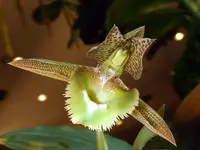
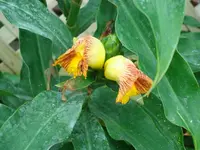
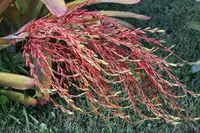
Fringed catasetum (Catasetum fimbriatum) is a deciduous orchid that grows from swollen pseudobulbs and sheds its leaves during a dry rest period. It produces dramatic, fringed flowers that can be green, yellow, or reddish, often with a complex, sculpted lip. This species is native to tropical regions of South America, where it grows in warm, bright, seasonally dry environments. It is considered a rewarding orchid but not the easiest for beginners, mainly because it needs a clear dry rest and careful watering to avoid rot. With bright filtered light, good air movement, and a fast-draining orchid mix, it is easier to understand how to care for fringed catasetum over time.

Care Difficulty
Hard Care

Light Preference
Partial Sun

Water Requirements
Moderate Water

Temperature Preference
Tropical / Frost Sensitive

Hardiness Zone
11–13

Soil Texture
Sandy, Rocky, Organic-rich

Soil pH
Acidic (5.5–6.5)

Soil Drainage
Well-drained

Fertilization
Heavy (weekly, diluted)
Scan your plant to receive care tips personalized for your specific plant
Available on iOS and Android
This orchid needs bright, indirect light to flower and develop sturdy pseudobulbs.
This species needs distinct wet and dry phases that follow its growth cycle.
This orchid prefers warm conditions with a clear difference between growing season and rest period.
This species prefers relatively high humidity during active growth but tolerates short dry spells.
Catasetum fimbriatum grows best in a very airy, fast-draining, organic medium that dries quickly between waterings.
This orchid is well suited to container culture when the pot supports rapid drainage and firm anchoring of the pseudobulbs.
This orchid benefits from consistent but controlled feeding during its active growth phase.
Catasetum fimbriatum requires minimal pruning focused on hygiene rather than shaping.
This species responds well to timely repotting that coincides with the start of its growth cycle.
Division is the standard method for increasing plants of this orchid.
This deciduous orchid needs a cool, dry rest rather than warmth and moisture in winter.

Plant Health Check
Not sure what's wrong with your plant? Check your plant's health inside the app.
The flower lip of this species ends in a dense fringe of threadlike segments, which is used as a key diagnostic feature to separate it from closely related Catasetum species.
Like other Catasetum, this species produces separate male and female flowers on the same plant, with male flowers typically showier and equipped with a trigger mechanism that can forcibly eject pollinia onto visiting insects.
In its native South American habitats, it is pollinated mainly by male euglossine bees that collect aromatic compounds from the flowers, and in the process trigger the pollinia catapult that ensures precise pollen transfer.

This species enters a marked deciduous rest period in its natural seasonal climate, with leaves dropping from the pseudobulbs during the dry season while the storage organs remain alive and capable of resprouting when moisture and warmth return.
Yellowing leaves are often normal when the plant enters dormancy after flowering, especially in autumn. However, sudden yellowing during active growth can indicate overwatering, poor drainage, or nutrient imbalance, particularly low nitrogen or magnesium.
Keep your plants happy and healthy with plant identification, disease detection, and easy care guidance.