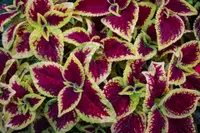
Good Luck Plant Care (Oxalis tetraphylla 'Iron Cross')

Also known as: Wood-Sorrel

About Good Luck Plant

Oxalis tetraphylla 'Iron Cross', often called the good luck plant, is a small bulb-forming perennial grown mainly for its foliage. It produces clover-like leaves marked with a dark purple cross and delicate pink flowers above them. Native to Mexico, it usually grows in clumps from underground bulbs and goes through active and resting phases during the year. This plant is generally easy to grow in pots or small outdoor containers, as long as it receives bright light, moderate moisture, and well-drained soil. Simple habits and a clear rest period help make it straightforward to learn how to care for Good Luck Plant.

Main Plant Requirements

Care Difficulty

Moderate Care

Light Preference

Partial Sun

Water Requirements

Moderate Water

Temperature Preference

Warm Climate

Hardiness Zone

7–10

Soil Texture

Sandy, Loamy, Organic-rich

Soil pH

Acidic (5.5–6.5), Slightly acidic (6.5–7.0)

Soil Drainage

Well-drained

Fertilization

Light (every 4–6 weeks)

Get Personalized Care Plan

Scan your plant to receive care tips personalized for your specific plant

Available on iOS and Android

How to Care for the Good Luck Plant

Oxalis tetraphylla 'Iron Cross' grows best with bright, indirect light and gentle direct sun.

  • Provide 3–5 hours of direct morning sun or late-afternoon sun, with filtered or bright shade during harsh midday hours.
  • It tolerates partial shade, but in very low light the Good Luck Plant produces fewer leaves and flowers and may grow leggy.
  • In hot summers, protect from intense afternoon sun to prevent leaf scorch; in winter, move outdoor containers or garden clumps to brighter positions.

Water needs for Oxalis tetraphylla 'Iron Cross' change with growth stage and season.

  • During active growth, water when the top 2–3 cm of soil feels dry, then soak thoroughly until excess drains away.
  • Use loose, well-draining soil; persistent wetness, soft bulbs, or yellowing, limp leaves suggest overwatering and risk of rot.
  • In fall or when foliage naturally dies back, reduce watering sharply and keep soil just barely moist, resuming deeper watering as new shoots appear.

Growth is strongest for this plant in mild, frost-free temperatures.

  • Ideal growing range is 60–75°F (16–24°C), with steady temperatures supporting compact foliage and flowering.
  • The bulbs survive brief dips to about 25–28°F (-4 to -2°C) if soil is well-drained and mulched, but repeated hard frosts can reduce vigor.
  • In hot climates above 86°F (30°C), provide light shade and consistent soil moisture; plants may enter dormancy in high heat or cold and resume growth when conditions improve.

This plant handles typical indoor humidity but benefits from slightly moist air.

  • Aim for 40–60% humidity, which suits Good Luck Plant growth without encouraging fungal problems.
  • Brown leaf edges and crispy, folding leaflets indicate air that is too dry or heat stress.
  • Increase humidity with a nearby pebble tray or grouped plants, rather than misting directly onto the foliage.

Oxalis tetraphylla 'Iron Cross' prefers loose, airy soil that drains quickly yet holds moderate moisture.

  • Use a mix of 50–60% all-purpose potting mix with 20–30% perlite and 10–20% fine bark or coarse sand to keep the medium open.
  • Target slightly acidic to neutral pH around 6.0–7.0, which supports nutrient availability for healthy foliage and bulb growth.
  • Ensure water runs freely from the pot within seconds; soil should feel springy, not compacted, when gently squeezed.
  • Avoid heavy clay, waterlogged spots, or pure peat that stays soggy, as these conditions promote bulb rot and weak roots.

This species is very suitable for container growing, both outdoors in season and indoors in bright light.

  • Choose a shallow to medium-depth pot so the bulbs sit only a few cm below the surface, which improves sprouting and reduces rot risk.
  • Select a pot 2–3 times wider than the planted bulb cluster to allow clump expansion without crowding.
  • Use terra-cotta if tending to overwater, as its porous walls help excess moisture evaporate and keep the bulbs drier between waterings.

This bulb-forming plant benefits from light, consistent feeding during active growth for best foliage color and flowering.

  • Use a balanced liquid fertilizer (such as 10-10-10) at 1/4–1/2 strength every 2–4 weeks in spring and summer.
  • Alternatively, mix a small amount of slow-release balanced fertilizer into the topsoil at the start of the growing season.
  • Avoid feeding during dormancy or winter when growth stops, to prevent weak, stretched leaves.
  • For Good Luck Plant indoor care, flush the pot with plain water a few times per season to prevent fertilizer salt buildup.

Pruning needs for Oxalis tetraphylla 'Iron Cross' are minimal and focused on cleanliness rather than shaping.

  • In active growth, pinch or snip off faded flowers and yellowing leaves at the base to maintain a tidy clump.
  • Remove any dead or damaged stems using clean, sharp scissors to reduce disease risk.
  • Cut back all top growth after it naturally dies down at dormancy, leaving the bulbs undisturbed.
  • Disinfect tools with alcohol before and after use when working on multiple plants.

This bulbous oxalis prefers slightly snug containers and only needs repotting when crowded or performance declines.

  • Check for roots circling the drainage holes, many bulbs pressed against the pot edge, or reduced flowering as signs to repot.
  • Plan repotting or outdoor transplanting in late winter to early spring, just before new growth starts.
  • Repot every 2–3 years into a shallow pot with fresh, well-draining mix, spacing bulbs 2–3 cm apart.
  • Handle bulbs gently, keep them at the same depth, water lightly after moving, and keep out of strong sun for 3–5 days to limit stress.

New plants are most reliably produced by dividing bulbs rather than by seed.

  • Divide clumps of Oxalis tetraphylla 'Iron Cross' in late winter or early spring while the plant is dormant or just sprouting.
  • Lift the bulbs, gently separate offsets by hand, and discard any soft or rotten pieces.
  • Replant offsets in well-draining soil, setting bulbs just below the surface and spacing them for future clump expansion.
  • Keep soil slightly moist and provide bright, indirect light until new leaves establish and growth becomes steady.

This oxalis is not fully hardy in cold climates and benefits from simple winter protection, especially in containers.

  • In USDA zones below 7, lift bulbs after foliage dies back and store them dry and cool at 40–50°F indoors.
  • For in-ground plants in milder climates, apply a 5–8 cm mulch layer over the dormant area once soil cools.
  • Move potted plants indoors before frost, place in cool bright light, and water sparingly while growth is slow.

Care Tips

Encourage Compact Growth

Rotate the pot 1–2 times per week during active growth so all sides receive similar light, which keeps the clumps dense and prevents the leaf stalks from stretching in one direction.

Manage Dormancy Cycles

If foliage yellows and collapses in late summer or after stress, stop watering, let the pot dry, store it cool and dry for 4–8 weeks, then resume light watering to encourage a fresh flush of leaves.

Divide Crowded Bulbs

Every 2–3 years, unpot the plant when dormant, gently separate the crowded bulbs, and replant them with 2–3 cm of mix above the bulbs to maintain vigor and generate multiple pots from the original clump.

Outdoor Container Rotation

When growing Good Luck Plant in outdoor pots for the warm season, shift containers every few weeks to a slightly different position to avoid soil overheating on one side and to reduce the risk of uneven drying.

Prevent Fungal Issues

Water at the soil surface rather than over the leaves and provide light air movement, especially indoors, to reduce the chance of fungal spots on the foliage and rot at the bulb necks.

Common Pests and Diseases

Spider mites

This pest often appears on indoor or summer-outdoor plants kept in warm, dry conditions, causing stippled, dull foliage and fine webbing on clover-like leaves. Symptoms include slowed growth and leaves that yellow, dry, and drop prematurely.

Solution

Rinse foliage thoroughly with a strong but gentle stream of water, including leaf undersides, then repeat every few days for 1–2 weeks. If mites persist, use an insecticidal soap or neem oil spray labeled for ornamental plants and increase ambient humidity and air movement around the plant to make conditions less favorable for outbreaks.

Aphids

These insects cluster on tender stems, leaf bases, and flower stalks, sucking sap and causing curling or distortion of the leaflets. Symptoms include sticky honeydew on leaves and nearby surfaces, sometimes attracting ants or leading to sooty mold growth.

Solution

Dislodge aphids by spraying the plant with water, then follow with an application of insecticidal soap or a ready-to-use neem oil product, making sure to coat all plant surfaces. Repeat treatments at 5–7 day intervals until no new aphids appear, and remove heavily infested flower stalks or leaves to reduce population quickly.

Leaf spot

This disease causes brown, tan, or purplish spots on the leaflets, sometimes with a yellow halo, especially under cool, damp, or crowded conditions. Symptoms include premature yellowing and drop of affected leaves, which can weaken the clump over time.

Solution

Remove and discard affected leaves promptly and avoid overhead watering so foliage dries quickly. Improve spacing and airflow, water at the soil level, and if spotting continues to spread, apply a copper-based fungicide or another ornamental leaf spot fungicide according to label directions.

Powdery mildew

This disease appears as a white or gray powdery coating on the leaflet surfaces, often during warm days and cool, humid nights. Symptoms include distorted new growth and gradual decline in vigor if the problem is not corrected.

Solution

Increase air circulation, avoid crowding the plant, and water at the base so foliage does not remain damp. Remove badly affected leaves and, if needed, use a sulfur or potassium bicarbonate fungicide labeled for powdery mildew, applied in dry conditions and repeated per product instructions.

Bulb mites

This pest attacks the bulbs (technically tubers) in storage or in poorly drained soil, leading to slow emergence, weak shoots, and rotting or corky tissue in the bulbs. Symptoms include stunted growth, poor flowering, and plants that fail to resprout after dormancy.

Solution

Discard severely infested bulbs and only replant firm, healthy ones in well-drained substrate. Between seasons, store bulbs dry and cool, clean off soil and debris, and if bulb mites are suspected, consider a hot-water treatment or use a miticide labeled for bulb treatment, following timing and temperature instructions carefully.

Interesting Facts

Four-leaf morphology

This plant naturally produces four leaflets per leaf, unlike most Oxalis species that form three, which is why it is commonly sold as a living four-leaf clover substitute despite not being a true clover.

Dark cross marking

Each leaf shows a distinct dark purple to burgundy cross-shaped zone at the center, a stable cultivar trait selected for its strong visual contrast rather than for any known ecological function.

Summer-dormant bulb

It grows from small underground bulbs and can enter a warm-season dormancy, where leaves die back and the plant rests, then resprouts from the bulbs when conditions improve.

Botan icon

Did you know?

This species, originally native to Mexico, became popular as a lucky ornamental in Europe in the late 19th and early 20th centuries, and its bulbs have since been widely traded and gifted around New Year in Germany and other countries as a traditional good luck charm.

FAQs about Good Luck Plant

Lack of flowers usually comes from insufficient light, depleted nutrients, or the bulb being too crowded. Provide bright, indirect light, a light fertilizer during active growth, and allow a short dry rest period to encourage bud formation.

Grow Healthy Plants with Botan Care

Keep your plants happy and healthy with plant identification, disease detection, and easy care guidance.


Botan plant care app — identify plants on mobile

Explore More Plants