silver shamrock Care (Oxalis adenophylla)

silver shamrock

About silver shamrock

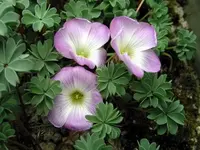
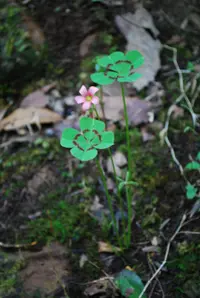
Silver shamrock, Oxalis adenophylla, is a small bulb-forming perennial grown for its clumping, fern-like foliage and delicate, funnel-shaped flowers. It stays low to the ground, forming tidy mounds that suit rock gardens, troughs, and small containers.

This species is native to the Andes of Chile and Argentina, where it experiences cool temperatures, high light, and well-drained, often rocky soils. Its natural adaptation to dry, cold periods makes it relatively easy to keep as long as excess moisture is avoided.

Gardeners who learn how to care for silver shamrock usually focus on providing bright light, sharp drainage, and protection from prolonged, heavy rain, especially during dormancy.

Main Plant Requirements

Care Difficulty

Moderate Care

Light Preference

Partial Sun

Water Requirements

Moderate Water

Temperature Preference

Cold Hardy

Hardiness Zone

4–9

Soil Texture

Sandy, Loamy, Rocky

Soil pH

Acidic (5.5–6.5), Slightly acidic (6.5–7.0)

Soil Drainage

Well-drained

Fertilization

Minimal (feed rarely)

Get Personalized Care Plan

Scan your plant to receive care tips personalized for your specific plant

Available on iOS and Android

How to Care for the silver shamrock

This alpine bulb prefers bright conditions with gentle sun and cool roots.

  • Provide 4–6 hours of direct morning sun with light afternoon shade; in hotter zones, use dappled light after 11 a.m. to prevent leaf scorch on silver shamrock.
  • In cool coastal or northern climates, it tolerates full sun if soil stays moist but not soggy and the crown is not exposed to reflected heat.
  • Insufficient light causes weak, elongated leaves and fewer flowers; choose a site with open sky rather than dense tree shade, especially in spring.

This species prefers evenly moist but not saturated soil during active growth, then drier conditions in dormancy.

  • From spring to early summer, water when the top 2–3 cm of soil feel dry, allowing moisture to reach the full root zone but not leave standing water.
  • Use sharply draining soil or a rock-garden bed; yellowing, limp leaves and a soft bulb indicate overwatering, while crisp, folding leaves suggest underwatering.
  • As Oxalis adenophylla enters summer dormancy and foliage dies back, reduce watering sharply and keep the soil just barely dry to avoid bulb rot.

This hardy species prefers cool to mild temperatures and tolerates significant cold when dormant.

  • Active growth is strongest at 50–70°F (10–21°C), especially with cool nights; prolonged heat above 80°F (27°C) often triggers partial dormancy.
  • Dormant bulbs tolerate cold to about 0°F (−18°C) in well-drained soil; in wetter climates, excess winter moisture is more dangerous than the cold itself.
  • In hot-summer areas, plant where soil stays cool, away from south-facing walls; during heat waves above 90°F (32°C), light shade reduces stress and leaf scorch.

This species prefers moderate humidity but usually adapts well to typical indoor levels.

  • Aim for 40–60% humidity, which suits silver shamrock without encouraging rot in the bulbs.
  • Dry, heated indoor air is usually tolerated, but prolonged levels under 30% can cause leaf edges to crisp and fold.
  • Increase humidity locally by placing the pot on a pebble tray with water below the pot base, not by frequent misting.

Oxalis adenophylla grows best in light, sharply drained soil that still holds some moisture around the bulbs.

  • Use a sandy or gritty loam with plenty of air spaces so excess water drains away quickly from the bulb zone.
  • Aim for a slightly acidic to neutral pH around 6.0–7.0, which supports nutrient availability without stressing roots.
  • Mix roughly 50% standard potting mix with 25% coarse sand and 25% perlite or fine grit to balance drainage and moisture retention.
  • Avoid heavy clay, compacted ground, or soils that stay wet for more than a day after watering, as these conditions promote bulb rot.

This species is very suitable for container growing, especially where winters are wet or very cold.

  • Choose a wide, shallow pot so the bulbs sit in the upper half of the mix and excess moisture can escape quickly.
  • Select terracotta or another porous material if overwatering is a risk, as it allows the mix to dry more evenly between waterings.
  • Raise the pot on feet or bricks outdoors so drainage holes stay clear and water cannot pool under the container.

Oxalis adenophylla benefits from light, controlled feeding during its active season.

  • Use a balanced liquid fertilizer (around 10-10-10) at 1/4–1/2 strength every 4–6 weeks in spring and summer.
  • Apply to moist soil to avoid root burn, never onto completely dry substrate.
  • Skip feeding during dormancy and winter, as silver shamrock rests and does not use extra nutrients.
  • Compost can be mixed sparingly into the top layer of well-drained soil once per year.

Pruning needs for Oxalis adenophylla are minimal and mainly cosmetic.

  • In late fall or after flowering, snip off spent flower stalks and yellowing leaves to keep the clump tidy.
  • Remove any dead, damaged, or diseased foliage with clean, sharp scissors to reduce disease risk.
  • Allow healthy green leaves to remain, since they feed the bulbs and support future flowering.

This bulb-forming species prefers infrequent disturbance, so repotting or transplanting should be occasional and gentle.

  • Check for roots circling the pot, poor drainage, or slowed growth as signs it needs a slightly larger container or new site.
  • Plan repotting or transplanting in early spring before strong new growth starts, usually every 3–4 years.
  • Lift the clump carefully, keeping soil around the bulbs to limit root stress and drying.
  • Replant in sharply drained soil at the same depth, water lightly, then keep evenly moist until growth resumes.

Oxalis adenophylla is most commonly propagated by division of its small bulbs or tubers.

  • Divide clumps in early spring or just after dormancy, when foliage is minimal and stress is lower.
  • Gently separate offsets so that each division has at least one healthy bulb or tuber and some roots.
  • Replant divisions in gritty, well-drained soil, spacing them 5–10 cm apart and setting bulbs at the same depth.
  • Keep soil barely moist until new leaves emerge, then gradually resume normal watering and light.

This species is quite cold hardy but still benefits from some basic winter care, especially in containers.

  • In the ground, dormant bulbs tolerate frost in most temperate climates if soil drains well.
  • Apply a light mulch layer after the first hard frost to moderate soil temperature and reduce freeze–thaw heaving.
  • Move containers to a cold, frost-free or sheltered spot, keeping soil barely moist, not wet, through winter.

Care Tips

Mark Dormant Pots

Label pot rims or add a discreet marker when foliage dies back so you do not overwater or discard the pot while the bulbs are dormant underground.

Controlled Summer Rest

If foliage declines in hot weather, gradually reduce watering and move the pot to a dry, shaded, airy spot to allow a proper dry rest that protects the bulbs from rot.

Mesh Protection Outdoors

When growing in the ground, place a fine plastic mesh basket or bulb cage in the planting hole to protect small bulbs from rodents while still allowing roots to spread.

Gentle Clump Division

Every 3–4 years, lift the clump in late dormancy, carefully tease apart congested bulbs, and replant them slightly spaced to maintain vigor and reduce disease risk.

Raised Container Setup

Use a shallow, wide pot with extra drainage holes set on pot feet or bricks so excess water runs freely away from the bulbs, which is critical for reliable Oxalis adenophylla plant care.

Common Pests and Diseases

Bulb and root aphids

This pest feeds on the fleshy bulbs and fine roots, causing stunting, weak growth, and poor flowering. Symptoms include plants that fail to emerge well in spring or collapse in early summer despite adequate watering.

Solution

Lift affected clumps and inspect bulbs for soft spots and clusters of pale aphids, then rinse bulbs and roots thoroughly under running water and discard badly damaged bulbs. Replant into fresh, well-drained substrate, encourage beneficial insects outdoors, and, if pressure is high, use a targeted insecticidal soap or neem drench at the soil line during active growth.

Slugs and snails

These pests chew holes in the delicate leaves and flowers, often leaving irregular notches and slime trails, especially in cool, damp conditions. Symptoms include shredded foliage appearing overnight on low clumps close to the soil surface.

Solution

Hand-pick slugs and snails in the evening, set out beer traps or iron phosphate pellets, and remove dense mulch or debris around plants where they shelter. For container plants, raise pots off the ground, use copper tape barriers, and keep the planting area slightly drier at the surface without letting the bulbs dry out completely.

Botrytis (gray mold)

This disease thrives in cool, damp weather and on dense foliage, leading to soft, water-soaked spots on leaves and flowers followed by gray, fuzzy mold. Symptoms include collapsing leaflets and blighted flower stalks, especially where air movement is poor.

Solution

Remove and discard all affected leaves and spent flowers as soon as they show spotting or mold, and avoid overhead watering so foliage dries quickly. Improve air circulation, thin overcrowded clumps, and, in persistent cases, apply a fungicide labeled for gray mold to protect new growth while adjusting conditions as part of broader Oxalis adenophylla care.

Botrytis bulb rot

This disease affects dormant or poorly stored bulbs, which develop brown, sunken lesions and gray mold, leading to poor emergence or complete failure in spring. Symptoms include bulbs that feel soft or spongy and shoots that decay shortly after emerging.

Solution

Inspect bulbs before planting and discard any that are soft, discolored, or moldy, then dust healthy bulbs with a labeled bulb fungicide if past problems were severe. Store bulbs dry in a cool, airy place, plant only in sharply drained soil, and avoid watering heavily during dormancy to reduce infection risk.

Interesting Facts

Alpine bulb mimic

This species forms a small underground bulb with a papery tunic, an adaptation that lets it survive freezing Andean and Patagonian winters much like true alpine bulbs, even though it is not closely related to them.

Seasonal leaf movement

The trifoliate leaves fold down at night and in low light due to nyctinasty, a movement controlled by specialized hinge cells at the base of the leaf stalks that respond to changes in light and internal water pressure.

Cold-tolerant oxalis

Unlike many ornamental Oxalis, this species naturally occurs in cold, high-elevation habitats in South America and can tolerate substantial frost if its bulbs are in well-drained soil.

Botan icon

Did you know?

In its native range in southern South America, this plant often grows in rocky scree and among gravelly cracks where snow lingers late into spring, emerging and flowering rapidly in a short season before summer drought and renewed cold return.

FAQs about silver shamrock

Lack of flowers often comes from insufficient light, overcrowded bulbs, or skipping a cool, drier rest period. Allow foliage to die back naturally, keep the bulbs slightly dry in dormancy, then resume normal care to encourage flowering.

Grow Healthy Plants with Botan Care

Keep your plants happy and healthy with plant identification, disease detection, and easy care guidance.

Botan plant care app — identify plants on mobile

Explore More Plants