Sesame Care (Sesamum indicum)

Also known as: Benne, Cultivated Sesame, Indian Sesame, Beniseed, Benue Oil, Gingelly, Gingelly-Oil Plant, Gingilli, Sem-Sem, Sem-Semoil, Sesame Oil, Teel Oil, Tilseed
Sesame

About Sesame

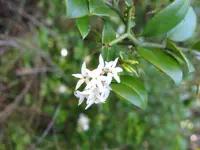
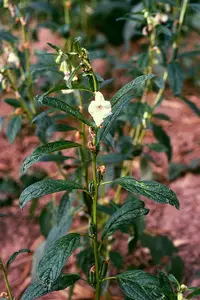
Sesame, Sesamum indicum, is a warm-season annual grown mainly for its small, oil-rich seeds. It has upright stems, soft green leaves, and delicate tubular flowers, usually white or pale pink. After flowering, narrow pods form and dry, releasing the familiar sesame seeds.

In nature, sesame comes from warm regions of Africa and Asia and is now cultivated in many tropical and subtropical areas. It prefers full sun, well-drained soil, and moderate moisture, and it dislikes waterlogged conditions. With suitable warmth and light, it is relatively straightforward to care for Sesame in gardens or containers.

Main Plant Requirements

Care Difficulty

Moderate Care

Light Preference

Full Sun

Water Requirements

Moderate Water

Temperature Preference

Tropical / Frost Sensitive

Hardiness Zone

10–12

Soil Texture

Sandy, Loamy, Organic-rich

Soil pH

Acidic (5.5–6.5), Slightly acidic (6.5–7.0)

Soil Drainage

Well-drained

Fertilization

Light (every 4–6 weeks)

Get Personalized Care Plan

Scan your plant to receive care tips personalized for your specific plant

Available on iOS and Android

How to Care for the Sesame

This warm-season oilseed crop needs strong light to flower and set pods well.

  • Provide 6–8 hours of direct sun daily; full sun in open fields suits Sesame best, with morning and midday sun ideal in hot regions.
  • It tolerates light partial shade (3–4 hours sun), but expect taller, weaker stems and fewer seeds if light is reduced.
  • In very hot, dry climates, protect from intense late-afternoon sun to reduce leaf scorch and drought stress, especially on young seedlings.

This drought-tolerant annual prefers deep, infrequent watering once established.

  • Water only when the top 4–6 cm of soil is completely dry; use your finger or a small trowel to check below the surface.
  • Ensure loose, fast-draining soil; standing water or heavy clay that stays wet causes root rot and yellowing leaves in Sesamum indicum.
  • During early growth and flowering, supply a slow, soaking irrigation, then reduce frequency as pods mature and lower leaves naturally dry.

This heat-loving crop performs best in warm, stable conditions without frost.

  • Aim for 77–95°F (25–35°C) for active growth; germination is most reliable once soils reach at least 68°F (20°C).
  • Avoid temperatures below 50°F (10°C); light frost damages foliage, and hard frost kills plants outright, especially seedlings.
  • Sesame tolerates short spikes to 100–104°F (38–40°C) if soil moisture is adequate, but prolonged extreme heat with drought reduces flowering and seed set.

This species handles low to moderate indoor humidity without special measures.

  • Target 30–50% humidity, similar to most heated or air-conditioned homes.
  • Sesame tolerates dry air but prolonged levels below 25% can slow growth and cause leaf edge browning.
  • Increase humidity slightly by grouping pots together or placing a shallow water tray nearby, but avoid misting that keeps foliage wet for long.

This crop prefers light, well-aerated, fast-draining mineral soils.

  • Use a sandy or sandy-loam mix with 20–30% coarse sand plus 10–20% perlite to keep pores open and prevent compaction.
  • Aim for slightly acidic to neutral pH, around 6.0–7.5, which supports nutrient availability for Sesamum indicum.
  • Blend in a modest amount of mature compost or well-rotted manure, about 10–20%, to add nutrients without making the substrate heavy.
  • Avoid heavy clay, peat-dominant, or water-retentive mixes, which raise the risk of root rot and poor root aeration.

This species can be grown in containers if the pot allows a deep, stable root zone.

  • Choose a container at least 25–30 cm deep to accommodate the taproot and limit lodging in wind.
  • Pick a heavier material such as ceramic or thick-walled plastic to reduce tipping as stems elongate and set seed pods.
  • Elevate the pot on feet or a stand so drainage holes release water quickly and the lower root zone does not remain saturated.

Sesamum indicum responds well to light, balanced feeding during its active warm-season growth.

  • Use a balanced liquid or water-soluble fertilizer (around 10-10-10 NPK) at 1/2 strength for container-grown Sesame during the main growing season.
  • Apply every 3–4 weeks once seedlings have several true leaves, always on moist soil to avoid root burn.
  • Supplement with a thin layer of well-rotted compost to support soil structure and micronutrients.
  • Stop feeding 4–6 weeks before expected cool weather, and do not fertilize during winter or dormancy.

Sesamum indicum benefits from light structural pruning to maintain healthy, productive stems.

  • Carry out pruning in late spring to early summer, once plants are established and growing strongly.
  • Remove dead, diseased, storm-damaged, or crossing stems using clean, sharp scissors or hand pruners.
  • Pinch soft shoot tips on young plants to encourage bushier branching and more flowering sites.
  • Avoid hard cutting into woody bases; keep pruning minimal to prevent stress and lodging in wind.

Sesamum indicum is usually grown as an annual crop, so transplanting young plants correctly matters more than long-term repotting.

  • Transplant seedlings outdoors after frost risk has passed and soil is consistently warm, as cold slows growth and increases shock.
  • Start in small cell trays or pots; transplant when roots hold the soil plug but are not circling heavily.
  • Handle by the leaves, not the stems, and keep as much soil around the roots as possible to limit disturbance.
  • Water thoroughly after transplanting and shade plants lightly for 2–3 days to reduce transplant shock and wilting.

Sesamum indicum is most commonly propagated from seed for both garden and field production.

  • Sow fresh seed in late spring once soil stays above 68°F, or start indoors 4–6 weeks before the last frost date.
  • Use a free-draining seed mix, cover seeds lightly (2–3 mm), and maintain gentle, even moisture until germination.
  • Provide warmth, bright light, and good air movement; seeds germinate best at 70–80°F with no waterlogging.
  • Thin or prick out crowded seedlings so each plant has space, reducing competition and damping-off risk.

Sesamum indicum is a warm-season annual and is not frost tolerant, so winter care focuses on season-end management.

  • Plants usually die after the first hard frost, so harvest mature seed pods before repeated freezing nights.
  • In cooler climates, grow in containers only for the warm season, then discard plants and refresh soil next year.
  • Where mild winters occur, leave roots in place as residue or incorporate dead plants into the soil to add organic matter.

Care Tips

Use temporary supports

Install low stakes or a simple string line early in the season to keep tall, top-heavy stems upright and reduce lodging from wind or heavy rain when growing Sesame.

Staggered sowing windows

Sow in 2–3 batches spaced 10–14 days apart to reduce the risk of losing the entire crop to an unexpected cold snap or pest outbreak and to extend the harvest window.

Optimize row spacing

Use relatively narrow in-row spacing (10–15 cm) with wider alleys (30–45 cm) so plants close canopy quickly to shade out weeds while still allowing airflow and easy access for monitoring.

Targeted pod monitoring

Begin checking pods individually once the lower pods turn from green to pale yellow and feel papery, then harvest in several passes from the bottom up to avoid shattering and seed loss.

Drying and seed storage

After cutting, hang plants or bunches upside down in a dry, shaded, well-ventilated place until pods are fully brittle, then thresh and store seeds in airtight containers with a label for date and variety to maintain quality.

Everything About Sesame

Common Pests and Diseases

Sesame phyllody

This disease causes flowers to become leafy and green instead of forming normal seed pods, leading to severe yield loss. Symptoms include witches’ broom growth, shortened internodes, and malformed buds.

Solution

Remove and destroy affected plants as soon as symptoms appear to reduce spread, and control leafhopper vectors with targeted insecticides labeled for edible crops or fine-mesh row covers. Avoid planting near old sesame debris, rotate with non-host crops for at least 2–3 years, and keep fields or beds free of alternative host weeds to limit the pathogen and its vectors.

Root and stem rot

This disease, often caused by soil fungi such as Macrophomina or Fusarium, leads to wilting, yellowing, and eventual collapse, especially in hot, dry or poorly structured soils. Symptoms include dark lesions at the stem base and discolored, brittle roots.

Solution

Improve soil drainage, avoid overwatering and compaction, and rotate sesame with non-host crops to reduce pathogen levels. Remove and discard severely affected plants, avoid burying fresh sesame residues, and consider using disease-free seed and biological soil treatments where available as part of Sesamum indicum care.

Alternaria leaf spot

This disease causes small brown to dark spots on leaves that can enlarge, often with concentric rings and yellow halos, leading to premature leaf drop under humid conditions. Symptoms include more severe spotting on older leaves and during warm, wet weather.

Solution

Increase spacing and airflow, water at soil level instead of overhead, and promptly remove heavily spotted leaves to reduce spore sources. In areas with recurring problems, use clean seed, rotate away from sesame residues, and consider applying a labeled copper or other fungicide preventively during extended humid periods.

Bacterial blight

This disease produces small, water-soaked lesions on leaves that turn brown and may merge, sometimes giving a scorched appearance, and can also infect stems and pods. Symptoms include rapid spread during warm, rainy or overhead-irrigated conditions.

Solution

Avoid overhead watering, especially in the evening, and handle plants gently to reduce wounds and splash spread. Remove and destroy badly infected plant material, use pathogen-free seed if available, rotate crops for 2–3 years, and disinfect cutting tools or equipment that contact wet plants.

Whitefly

This pest consists of small, white, moth-like insects feeding on the undersides of leaves, sucking plant sap and excreting honeydew that can lead to sooty mold. This pest weakens plants and can reduce flowering and pod set when populations are high.

Solution

Inspect leaf undersides regularly and wash them with a strong but controlled stream of water to knock down early infestations. Encourage or introduce natural enemies such as lady beetles, use yellow sticky traps, and if needed apply insecticidal soap or neem oil thoroughly to leaf undersides, repeating as label directions indicate.

Interesting Facts

Domesticated oilseed pioneer

Sesamum indicum is one of the earliest domesticated oilseed crops, with archaeological evidence from the Indus Valley and Mesopotamia showing cultivation more than 3,000 years ago for its stable, high‑oil seeds.

Remarkably stable oil

Sesame seed oil contains high levels of the antioxidant lignans sesamin and sesamolin, which slow oxidation and make the oil unusually resistant to rancidity compared with many other edible oils.

Self-pollinating flowers

Its tubular white to pink flowers are capable of self‑pollination, but they are also visited by bees, so seed set can occur both without pollinators and with insect assistance, which supports reliable yield under varied conditions.

Botan icon

Did you know?

In many traditional irrigated systems, sesame has been used as a so‑called breaker crop after rice or other cereals because its deep, relatively drought‑tolerant root system can exploit residual soil moisture and help restore structure in heavy, repeatedly flooded soils.

FAQs about Sesame

Yellowing leaves usually come from overwatering, poorly drained soil, nutrient deficiency (especially nitrogen), or natural aging of older foliage. Check soil moisture, improve drainage, and provide a balanced fertilizer. Remove only fully spent, dry leaves.

Grow Healthy Plants with Botan Care

Keep your plants happy and healthy with plant identification, disease detection, and easy care guidance.

Botan plant care app — identify plants on mobile

Explore More Plants