Divide Mature Clumps
Every 4–6 years, lift and divide crowded clumps in early spring as the buds emerge, replanting divisions at the same depth to maintain strong vigor and avoid increasingly small, weak leaves.

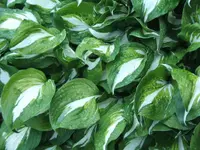
Wavy-leaf plantain-lily (Hosta undulata) is a shade-loving herbaceous perennial valued for its rippling, variegated foliage. It forms neat clumps that spread slowly by short rhizomes, creating low mounds of leaves. The leaves are typically wavy and often edged or streaked with white or creamy tones, while tall flower scapes carry pale lavender blooms in summer. Native to East Asia and widely cultivated in temperate gardens, it is grown mainly as an ornamental foliage plant. This hosta is generally considered easy to grow, provided it has protection from strong sun, consistent moisture, and humus-rich soil. Gardeners who learn how to care for Wavy-leaf Plantain-Lily often use it to brighten shaded borders and understory areas.

Care Difficulty
Easy Care

Light Preference
Partial Shade

Water Requirements
Regular Water

Temperature Preference
Cold Hardy

Hardiness Zone
3–8

Soil Texture
Loamy, Silty, Organic-rich

Soil pH
Acidic (5.5–6.5), Slightly acidic (6.5–7.0)

Soil Drainage
Moist but well-drained

Fertilization
Light (every 4–6 weeks)
Scan your plant to receive care tips personalized for your specific plant
Available on iOS and Android
Hosta undulata prefers bright but gentle light to keep foliage healthy and prevent leaf scorch.
Hosta undulata grows best in evenly moist, not soggy, soil.
This hardy perennial tolerates cold winters but grows fastest in mild, stable temperatures.
Humidity is not critical for Hosta undulata, but moderate levels support cleaner foliage.
Hosta undulata prefers consistently moist, humus-rich soil with reliable drainage.
This species suits container growing when the pot supports its spreading root system and consistent moisture.
Hosta undulata benefits from modest feeding to support leafy growth but does not require heavy fertilization.
Hosta undulata needs simple, seasonal pruning to stay tidy and healthy.
This hosta is more often transplanted in beds than repotted, but container plants also benefit from occasional root refreshment.
Division is the standard method for multiplying Hosta undulata while preserving named forms.
This hardy perennial tolerates typical winter conditions in much of the US and needs only minimal care.

Plant Health Check
Not sure what's wrong with your plant? Check your plant's health inside the app.
This species is named for its strongly undulating leaf margins, which create a ruffled appearance that is much more pronounced than in many other hostas and makes it easy to distinguish in mixed shade plantings.
The common variegated form of this plant maintains relatively stable white and green patterns under typical garden conditions, although strong shade or stress can occasionally cause sections of solid green leaves to appear.
Its thinner leaf texture and high moisture content make it particularly attractive to slugs and snails compared with many thicker-leaved hosta species, so it is often used as an indicator of slug pressure in shaded gardens.

Hosta undulata has been widely used as a parent in breeding programs to introduce pronounced leaf waviness and bold variegation into modern hybrid hostas, influencing the appearance of many popular cultivars on the market today.
This species forms clumps that expand slowly outward by short rhizomes. It usually stays where planted and is not considered aggressive. Clumps can be divided every few years if they outgrow the allotted space.
Keep your plants happy and healthy with plant identification, disease detection, and easy care guidance.