Sandier Top Layer
After planting, add a 1–2 cm topdressing of clean coarse sand or very fine gravel around the crown to keep stems dry at the base and reduce fungal rot in humid or rainy periods.

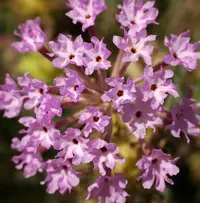
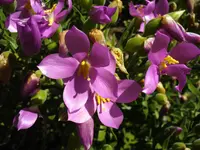
Purple sand verbena, Abronia angustifolia, is a low-growing, flowering perennial native to sandy deserts and coastal dunes of the southwestern United States and northern Mexico. It typically forms spreading mats of slender stems with narrow leaves and clusters of small, tubular purple flowers.
This species is adapted to harsh, dry conditions and loose, well-drained soils, which makes it relatively low maintenance once established in suitable climates. Its drought tolerance and preference for full sun influence how to care for purple sand verbena, especially in cooler or wetter garden settings.
In the landscape, it is often used for naturalistic, xeric plantings and erosion control on sandy slopes. The plant attracts pollinators, including moths and butterflies, adding ecological value to dry garden designs.

Care Difficulty
Moderate Care

Light Preference
Full Sun

Water Requirements
Low Water

Temperature Preference
Warm Climate

Hardiness Zone
8–11

Soil Texture
Sandy, Rocky, Loamy

Soil pH
Slightly acidic (6.5–7.0), Neutral (7.0)

Soil Drainage
Well-drained

Fertilization
Minimal (feed rarely)
Scan your plant to receive care tips personalized for your specific plant
Available on iOS and Android
This desert wildflower thrives in bright, open sites with strong sun exposure.
This species prefers dry, fast-draining conditions and is easily damaged by excess moisture.
This desert-adapted plant performs best in warm, dry climates with mild winters.
This desert-adapted species tolerates very dry air and rarely needs humidity adjustment.
Abronia angustifolia prefers very free-draining, sandy soil that mimics arid native habitats.
This species can be grown in containers if the setup emphasizes rapid drainage and dryness.
This desert native needs only modest feeding, as purple sand verbena is adapted to low‑nutrient soils.
Pruning Abronia angustifolia is mainly done to keep plants tidy and flowering well.
This species is usually grown in the ground, so focus on gentle transplanting rather than frequent repotting.
Abronia angustifolia is most often propagated from seed, with warm conditions and sharp drainage.
This desert perennial is only moderately frost tolerant and benefits from some winter attention in colder regions.

Plant Health Check
Not sure what's wrong with your plant? Check your plant's health inside the app.
This species naturally anchors itself in loose, shifting desert sands of the southwestern US and northern Mexico, using a spreading root system to stabilize dunes and low sandy flats.
The tubular pink to purplish flower clusters release a stronger fragrance in the evening and night, which helps attract nocturnal moth pollinators in its desert habitat.
Leaves and stems bear glandular hairs that exude a sticky substance, which can deter small herbivores and may reduce water loss by trapping a thin boundary layer of air around the surface.

Abronia angustifolia often forms low, sprawling mats across open sands, and these living carpets can play an important role in early dune stabilization, creating slightly cooler, more sheltered microsites where other desert plants and insects can later establish.
This species is very attractive to pollinators, especially native bees, butterflies, and moths. The tubular, fragrant flowers offer nectar and pollen, making it a useful choice for wildlife-friendly, low-water gardens in sandy or rocky soils.
Keep your plants happy and healthy with plant identification, disease detection, and easy care guidance.