Sea Rose Care (Orphium frutescens)

Also known as: Sticky Flower
Sea Rose

About Sea Rose

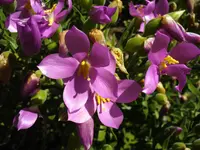
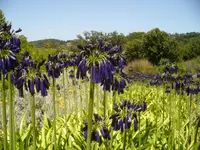
Sea rose, Orphium frutescens, is a compact perennial from the coastal regions of South Africa. It is often grown as an ornamental in mild climates. The plant forms low, branching mounds of narrow green foliage, topped with bright, star-shaped pink to magenta flowers that open in sunny weather. It suits small gardens, rockeries, and coastal plantings where space is limited. This species favors sunny, open sites with well-drained, often sandy soil, reflecting its dune and coastal heath origins. Once established, it can tolerate wind and short dry spells, which helps simplify how to care for Sea Rose for many home gardeners.

Main Plant Requirements

Care Difficulty

Moderate Care

Light Preference

Full Sun

Water Requirements

Moderate Water

Temperature Preference

Warm Climate

Hardiness Zone

9–11

Soil Texture

Sandy, Loamy

Soil pH

Slightly acidic (6.5–7.0), Neutral (7.0)

Soil Drainage

Well-drained

Fertilization

Minimal (feed rarely)

Get Personalized Care Plan

Scan your plant to receive care tips personalized for your specific plant

Available on iOS and Android

How to Care for the Sea Rose

This coastal shrub prefers bright, open conditions with strong light for compact, floriferous growth.

  • Provide 6–8 hours of direct sun daily; morning and early afternoon sun suit Sea Rose best in most temperate climates.
  • In hotter regions, give light afternoon shade or filtered light from about 2–4 pm to reduce leaf scorch and flower fade.
  • If stems stretch or flowering drops, the site is too shaded; if leaves crisp or bleach, increase shade or airflow rather than reducing total light drastically.

This species prefers evenly moist but sharply drained soil, with short dry periods between waterings.

  • Outdoors in well-drained ground, water when the top 3–5 cm of soil feel dry, then soak deeply so water reaches the root zone.
  • During cool or rainy seasons, extend intervals, letting the soil almost fully dry; in hot, windy weather, expect more frequent checks.
  • Yellowing, soft leaves and a sour smell suggest overwatering and poor drainage; crisp leaf edges and dropping buds suggest underwatering for Orphium frutescens.

This plant thrives in mild, maritime-type climates with cool to warm conditions and minimal frost.

  • Optimal growth occurs around 60–75°F (16–24°C), with steady flowering in this range when light and moisture are suitable.
  • The shrub tolerates brief dips to about 28–30°F (-2 to -1°C) but hard frost below this can damage stems and flower buds.
  • Heat up to 85–90°F (29–32°C) is tolerated if soil moisture is stable and roots are mulched; prolonged hotter spells increase stress and reduce bloom.

This coastal shrub handles a wide humidity range, so air moisture is rarely a limiting factor.

This species prefers light, sharply drained soil that mimics sandy coastal conditions.

  • Use a sandy or sandy-loam mix with at least 40–60% coarse sand or grit to prevent waterlogging.
  • Incorporate a small amount of compost or fine bark to add structure without making the mix heavy.
  • Aim for slightly acidic to neutral pH around 6.0–7.0, avoiding highly alkaline or saline substrates.
  • Ensure the mix stays airy by avoiding dense clay and by adding perlite if water lingers on the surface.

This plant adapts well to container growing when drainage and stability are managed carefully.

  • Select a wide, relatively deep pot to accommodate its spreading root system and maintain balance in wind-exposed spots.
  • Choose unglazed terracotta if extra evaporation is needed in wet climates, or heavier ceramic where blow-over is a risk.
  • Elevate the container on feet or blocks so drainage holes stay clear and runoff leaves the root zone quickly.

Orphium frutescens grows best with light, controlled feeding rather than heavy fertilization.

  • Use a balanced, water-soluble fertilizer (for example 10-10-10) at 1/2 strength every 4–6 weeks during the spring–summer growing season.
  • Alternatively, apply a thin layer of compost or a low-dose slow-release fertilizer at the start of spring.
  • Do not feed in winter or when growth slows noticeably to avoid weak, elongated shoots.
  • In poor soils, modest feeding supports flowering, but overfertilizing Sea Rose can reduce bloom quality.

Pruning Orphium frutescens is mainly about light shaping and removing spent or unhealthy growth.

  • Best time is late winter to early spring before vigorous new growth starts.
  • Use clean, sharp hand pruners to remove dead, diseased, or damaged stems back to healthy tissue.
  • Thin crowded interior stems to improve air flow and maintain a compact, bushy form.
  • Deadhead spent flowers to tidy the plant and encourage a longer blooming period.

This species is more often grown in the ground, but containers or young plants benefit from careful transplanting.

  • Transplant or upsize containers in spring when roots circle the pot, drainage slows, or top growth becomes stunted.
  • Plan on repotting container plants every 2–3 years into only one pot size larger with free-draining mix.
  • Water well before and after moving the plant, handling the root ball gently to limit root breakage.
  • Shade lightly and keep soil evenly moist for 1–2 weeks after transplanting to reduce transplant shock.

Orphium frutescens is usually propagated from seed, with cuttings used less often.

  • Sow fresh seeds in late winter–spring on the surface of a well-drained, sandy mix and cover lightly.
  • Keep the seed tray at 65–75°F with bright, indirect light and steady, moderate moisture until germination.
  • For semi-ripe cuttings in summer, take non-flowering tips, remove lower leaves, and insert into moist, gritty medium.
  • Provide bottom heat if possible and maintain high humidity and good air movement to limit rot.

This coastal species prefers mild winters and may need protection in colder climates.

  • In regions below about 20–25°F, treat plants as tender and grow in containers that can be moved indoors to a bright, cool room.
  • Mulch the root zone with 5–8 cm of bark or straw in late fall in borderline climates to buffer soil temperature.
  • Avoid waterlogged soil in winter; ensure excellent drainage to prevent root and crown rot.

Care Tips

Encourage Compact Growth

Pinch back soft shoot tips after flowering to keep plants low, bushy, and better able to withstand coastal winds and light frost exposure.

Improve Salt Tolerance

In coastal gardens, place the plant slightly behind a low windbreak or rock border so it still receives full sun but is shielded from the most direct salt spray that can scorch buds and flowers.

Protect From Winter Wet

In regions with cool, wet winters, mound a 3–5 cm layer of coarse grit or small gravel around the crown to keep the base drier and reduce risk of rot.

Rotate Container Position

For potted plants, rotate the container 90° every 1–2 weeks during active growth to prevent leaning and to maintain an even, compact dome of foliage and flowers when caring for Sea Rose.

Timed Deadheading Strategy

Remove spent flowers promptly during the main bloom season to extend flowering, but leave the last flush of blooms to set seed if future propagation is desired.

Common Pests and Diseases

Aphids

This pest feeds on young shoots and flower stems, sucking sap and causing distorted growth and sticky honeydew on foliage and buds.

Solution

Remove local colonies by pinching or spraying with a firm stream of water, then treat remaining insects with insecticidal soap or a light horticultural oil, repeating every 5–7 days until controlled and avoiding spraying in full, hot sun.

Leafhoppers

These insects jump from stem to stem, piercing leaves and sucking sap, which can cause pale stippling, leaf edge yellowing, and reduced flowering.

Solution

Encourage good air movement around plants, then manage active infestations with insecticidal soap or pyrethrin-based sprays directed to the undersides of leaves in the late afternoon, repeating as needed while monitoring for beneficial insects.

Spider mites

This pest becomes more common in hot, dry conditions, causing fine webbing, silvery stippling, and a general dull appearance of the narrow leaves.

Solution

Increase humidity around the plant, hose down foliage thoroughly to dislodge mites, and follow with applications of insecticidal soap or neem oil on both leaf surfaces every 5–7 days until new growth appears clean, a key element of Orphium frutescens care in dry climates.

Botrytis blight

This disease affects flowers and tender stems in cool, damp conditions, leading to brown, water-soaked spots that quickly develop gray fuzzy mold on petals and nearby tissue.

Solution

Remove and dispose of all affected flowers and stems, improve spacing and air circulation, avoid overhead watering, and, in persistent cases, apply a labeled fungicide to buds and upper foliage before prolonged wet weather.

Powdery mildew

This disease appears as white, powdery patches on leaves and stems, which can lead to leaf yellowing, distortion, and reduced flowering if conditions stay humid but not wet.

Solution

Prune to open the plant canopy for better airflow, water at soil level in the morning, remove heavily affected leaves, and use a sulfur or potassium bicarbonate fungicide according to label directions when early patches first appear.

Interesting Facts

Cape coastal specialist

This species is naturally restricted to sandy, often nutrient-poor coastal flats in the Western Cape of South Africa, where it grows in winter-rainfall climates with dry summers and strong coastal winds.

Distinctive flower architecture

The plant produces star-shaped, usually pink to mauve flowers with a bright yellow center and a short tube, an arrangement that helps guide visiting insects directly toward the reproductive parts of the flower.

Summer-flowering rhythm

Unlike many fynbos and coastal shrubs from the same region that flower in winter or spring, this plant typically flowers in the warmer months, providing nectar and pollen to insects when fewer other coastal species are in peak bloom.

FAQs about Sea Rose

Lack of flowers usually comes from insufficient light, nutrient-poor or very rich soil, or pruning at the wrong time. Ensure strong sun exposure, moderate feeding, and avoid heavy trimming just before the main flowering season.

Grow Healthy Plants with Botan Care

Keep your plants happy and healthy with plant identification, disease detection, and easy care guidance.

Botan plant care app — identify plants on mobile

Explore More Plants