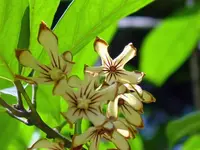
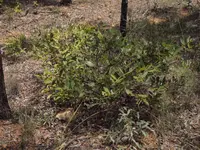
Brazil raintree Care (Brunfelsia pauciflora)

Also known as: rain-tree, yesterday, today and tomorrow, kiss me quick, fewflower raintree, morning-noon-and-night
Brazil raintree

About Brazil raintree

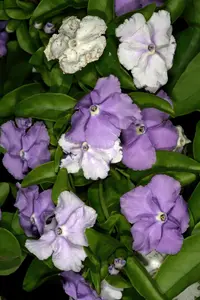
Brazil raintree is a compact, shrub-like ornamental plant known for its fragrant, tubular flowers that open purple, fade to lavender, then turn white over several days. This color change gives mature plants a multicolored display at once.

Botanically known as Brunfelsia pauciflora, it is native to the warm, humid forests of Brazil and is often grown in containers or small garden beds in mild climates. It prefers bright light, even moisture, and well-drained, slightly acidic soil.

The plant can be moderately demanding, as it reacts poorly to drought, low light, and cold. Understanding how to care for Brazil raintree helps maintain regular flowering and healthy foliage.

Main Plant Requirements

Care Difficulty

Moderate Care

Light Preference

Partial Shade

Water Requirements

Regular Water

Temperature Preference

Tropical / Frost Sensitive

Hardiness Zone

9–11

Soil Texture

Loamy, Sandy, Organic-rich

Soil pH

Acidic (5.5–6.5), Slightly acidic (6.5–7.0)

Soil Drainage

Moist but well-drained

Fertilization

Light (every 4–6 weeks)

Get Personalized Care Plan

Scan your plant to receive care tips personalized for your specific plant

Available on iOS and Android

How to Care for the Brazil raintree

Brunfelsia pauciflora needs bright, gentle light to flower well without leaf scorch.

  • Provide 4–6 hours of morning sun with light shade or filtered light from midday onward, especially in warmer climates.
  • Plant where it receives partial shade in the afternoon; strong summer sun from 12–4 pm can cause leaf yellowing, scorch, and bud drop.
  • In winter, allow more direct sun if possible; in too much shade, stems stretch, flowering declines, and foliage becomes sparse.

This shrub prefers evenly moist but not saturated soil, with careful adjustment to weather and season.

  • Water when the top 3–5 cm of soil feel dry, aiming for moist, crumbly soil rather than soggy or powder-dry conditions.
  • Use well-drained soil; persistent wetness, sour smell, or blackened, soft roots indicate overwatering and risk of root rot.
  • In hot, dry periods, drying occurs faster and wilting or dull, folding leaves signal the need to water, while in cooler seasons intervals lengthen.

This plant grows best in mild, frost-free conditions with moderate warmth most of the year.

  • Aim for daytime temperatures around 65–80°F (18–27°C), which support steady growth and reliable flowering.
  • Protect from frost; damage can occur below about 32°F (0°C), and sustained exposure under 28°F (-2°C) may kill young wood.
  • In hot spells above 90°F (32°C), provide afternoon shade, mulch the root zone, and avoid heat-reflective walls to reduce stress.

This shrub prefers moderately humid air to support steady flowering and leaf health.

  • Aim for 50–70% humidity; prolonged levels below 40% can slow growth and dull blooms.
  • In dry indoor air, leaf tips may brown and buds may drop, similar to sensitive species like Brazil raintree.
  • Increase humidity with a pebble tray under the pot, grouping plants, or a room humidifier rather than frequent misting.

This plant performs best in loose, organic-rich, slightly acidic soil that drains freely yet holds some moisture.

  • Use a mix of 50–60% peat or coco coir, 20–30% compost, and 20–30% perlite or pine bark for Brunfelsia pauciflora.
  • Target a pH of 5.5–6.5; avoid alkaline mixes that can cause chlorosis, where leaves turn pale from nutrient lockout.
  • Ensure water drains from the pot within seconds; if it lingers, increase perlite or bark to improve aeration.
  • Do not use heavy garden clay or straight compost, which compacts easily and keeps roots saturated, encouraging root rot.

This species is well suited to container growing on patios, balconies, or sheltered outdoor spots.

  • Choose a deep, broad container that allows lateral root spread, as cramped roots reduce flowering capacity.
  • Pick a heavier material like ceramic or clay to stabilize the shrub’s woody, top-heavy framework in wind.
  • Elevate the pot on feet so drainage holes stay clear and excess water escapes quickly after heavy rain or watering.

This shrub responds well to moderate feeding during the active growing season.

  • Use a balanced NPK fertilizer (such as 10-10-10) or well-rotted compost in spring to support new growth and flowering.
  • Apply a diluted liquid feed at 1/2 strength every 4–6 weeks through late summer for container plants, following Brazil raintree care instructions as a general tropical reference.
  • Reduce or stop fertilizing in fall and winter when growth slows, especially in cooler indoor conditions.
  • Water before and after feeding to prevent root burn and keep nutrients moving through the root zone.

Thoughtful pruning keeps Brunfelsia pauciflora compact, well-shaped, and floriferous.

  • Schedule main pruning right after peak flowering, avoiding heavy cuts just before bud formation.
  • Remove dead, diseased, or storm-damaged branches first, cutting back to healthy wood with clean, sharp bypass pruners.
  • Thin congested interior shoots to improve light and air penetration, which supports better flowering and reduces fungal issues.
  • Shorten overly long or straggly stems to maintain a balanced outline, making several small cuts instead of one severe reduction.

Container-grown plants benefit from periodic repotting or transplanting to maintain root health and vigor.

  • Watch for roots circling the pot, pushing through drainage holes, or for slowed growth and quick drying soil as signals to repot.
  • Plan repotting or garden transplanting in early spring, just before strong new growth, typically every 2–3 years for potted plants.
  • Move into a container only 1–2 in wider, using a well-draining, slightly acidic mix; avoid burying the stem deeper than before.
  • Handle the root ball gently, loosening only the outer roots, then water thoroughly and shade lightly for several days to reduce transplant stress.

New Brunfelsia pauciflora plants are most often raised from semi-ripe stem cuttings.

  • Take 8–10 cm semi-ripe cuttings in late spring or early summer from non-flowering shoots.
  • Remove lower leaves, dip the cut end in rooting hormone, and insert into a well-draining mix of perlite and peat or coco coir.
  • Maintain high humidity with a clear cover and keep temperatures around 70–75°F in bright, indirect light.
  • For seeds, sow fresh seed shallowly in warm, evenly moist, free-draining medium and expect slower, less uniform results.

Cold conditions can damage this subtropical shrub, so some winter protection is useful in cool climates.

  • In regions that drop below 30°F, grow in containers so plants can be moved indoors or into a greenhouse for winter.
  • For in-ground plants, apply a 5–8 cm mulch layer over the root zone in late fall, keeping it slightly away from the stem.
  • Shelter plants from freezing wind and heavy frost using frost cloth or temporary windbreaks, especially for young or recently planted shrubs.

Care Tips

Stake young stems

Install a slim stake next to each main stem when the plant is young, tying loosely with soft ties, to keep brittle branches upright and reduce storm or wind breakage as flower clusters add weight.

Rotate for even bloom

Turn the container or gently adjust the shrub’s orientation every 2–3 weeks so all sides receive similar light exposure, which encourages balanced branching and flowering rather than a lopsided canopy.

Refresh surface soil

Each spring, scrape off the top 2–3 cm of tired potting mix without disturbing roots and replace it with fresh, peat-free, slightly acidic mix to maintain aeration and nutrient availability without full repotting.

Targeted spent-flower cleanup

After peak flowering, remove only browned flower clusters and any yellowing leaves by hand rather than hard pruning, which keeps the plant tidy while preserving young shoots that will carry the next flush of blooms.

Proactive pest scouting

Inspect leaf undersides and stem joints weekly with a hand lens in warm months, and at the first sign of mites or whiteflies, isolate the plant and use a gentle, labeled insecticidal soap spray before infestations become established.

Common Pests and Diseases

Brunfelsia wilt

This disease causes sudden wilting, leaf yellowing, and branch dieback even when soil moisture is adequate. Symptoms include brown streaking inside stems and progressive decline of whole sections of the shrub.

Solution

Prune out all affected stems well back into healthy green tissue, disinfecting tools between cuts, and dispose of infected material in the trash. Improve drainage and airflow, avoid overhead watering, and keep the plant unstressed; in severe cases, remove heavily affected plants to prevent spread to nearby Brunfelsia pauciflora.

Mottle leaf virus

This disease produces yellow or light-green mottling on leaves, distorted new growth, and overall reduced vigor. Symptoms include irregular patterns rather than uniform yellowing and may become more obvious on older foliage.

Solution

Remove and discard symptomatic shoots to reduce virus load and control sap-sucking insects such as aphids and whiteflies that spread the virus. Do not propagate from affected plants, disinfect pruning tools, and if the plant is badly distorted or weak, consider replacing it with a healthy, virus-free specimen to maintain reliable Brunfelsia pauciflora plant care.

Leaf spot

This disease causes small purple to brown spots on leaves that may enlarge, merge, and lead to premature leaf drop. Symptoms include more severe spotting in warm, humid, or poorly ventilated conditions.

Solution

Remove and discard heavily spotted leaves and thin dense growth to improve airflow and faster leaf drying. Water at the base, avoid wetting foliage, and in persistent cases apply a copper-based or other ornamental-safe fungicide according to label directions.

Whiteflies

These insects appear as tiny white moth-like adults that fly up when the plant is disturbed and leave sticky honeydew on leaves. This pest weakens plants, causes leaf yellowing, and encourages black sooty mold on the foliage.

Solution

Regularly inspect the undersides of leaves, then wash foliage with a strong but gentle stream of water to knock down adults and nymphs. Use yellow sticky traps to capture flying adults and, if needed, apply insecticidal soap or horticultural oil thoroughly to leaf undersides, repeating as directed to break the life cycle.

Spider mites

This pest causes fine speckling, dull or bronzed leaves, and very fine webbing, especially in dry indoor or greenhouse conditions. Symptoms include leaves that look dusty or faded and may drop if infestation is heavy.

Solution

Rinse foliage thoroughly with lukewarm water, including the undersides of leaves, and increase humidity around the plant to discourage mites. For persistent problems, apply insecticidal soap or horticultural oil to all leaf surfaces at 5–7 day intervals until new growth appears clean and unmarked.

Interesting Facts

Color-changing blossoms

The flowers open deep purple, fade to lavender the next day, and turn almost white by the third day, so all three colors are often visible on the plant at once. This age-related color change is linked to shifts in floral pigments such as anthocyanins and helps signal older, less rewarding flowers to pollinators.

Fragrant night pollination

The flowers release their strongest fragrance in the evening and at night, which attracts nocturnal pollinators like moths in its native Atlantic Forest habitat in Brazil. This timing reduces competition with daytime-pollinated species and matches the activity pattern of its main pollinators.

Native forest understory shrub

This species naturally occurs as an understory shrub in the coastal Atlantic Forest of southeastern Brazil, thriving under broken canopy light and high air humidity. Its growth habit and leaf structure are adapted to filtered light rather than full, open sun in the wild.

Botan icon

Did you know?

Several selected garden forms of this species, often sold under names like 'Florida' or 'Compacta', were developed because gardeners wanted the distinctive three-color flowering display in a smaller, more manageable shrub for urban landscapes.

FAQs about Brazil raintree

Lack of flowering usually comes from insufficient light, heavy pruning at the wrong time, or nutrient imbalance, especially excess nitrogen. Provide steady conditions and a light, balanced fertilizer to support bud formation and repeat flowering.

Grow Healthy Plants with Botan Care

Keep your plants happy and healthy with plant identification, disease detection, and easy care guidance.

Botan plant care app — identify plants on mobile

Explore More Plants