


Encourage Bushier Growth
Pinch back soft shoot tips once plants reach 10–15 cm tall to encourage branching and a denser, more floriferous mound instead of a few lanky stems.

-200x133.webp)
Riddell's dozedaisy, Aphanostephus riddellii, is a small, sun-loving perennial wildflower in the aster family. It forms low clumps with slender stems and delicate, daisy-like white blooms. The plant is native to dry, open areas of the south-central United States, often found in sandy or rocky soils. It is adapted to heat, wind, and periodic drought, which makes it relatively forgiving in similar garden conditions. Growth is typically compact and informal, fitting well in naturalistic or prairie-style plantings. Those who want to care for Riddell's dozedaisy should provide full sun, well-drained soil, and avoid heavy, waterlogged sites.

Care Difficulty
Easy Care

Light Preference
Full Sun

Water Requirements
Low Water

Temperature Preference
Warm Climate

Hardiness Zone
7–10

Soil Texture
Sandy, Loamy, Rocky

Soil pH
Slightly acidic (6.5–7.0), Neutral (7.0)

Soil Drainage
Well-drained

Fertilization
Minimal (feed rarely)
Scan your plant to receive care tips personalized for your specific plant
Available on iOS and Android
This sun-loving prairie perennial thrives in open, bright conditions typical of its native range.
This species is adapted to dry, well-drained soils and is sensitive to prolonged wet conditions.
This warm-season perennial handles heat well but reacts poorly to hard frost and extended freezing.
This species tolerates typical outdoor humidity and does not have special moisture-air requirements.
This drought-adapted perennial prefers lean, sandy soil with rapid drainage.
This species can be grown in containers if the potting setup is kept very free-draining.
This drought-adapted wildflower needs only light feeding in average garden soil.
Pruning Aphanostephus riddellii is minimal and mainly supports tidy growth and flowering.
This species is usually grown in the ground, so management focuses on gentle transplanting rather than frequent repotting.
Aphanostephus riddellii is most often propagated from seed, with simple steps improving success.
This plant is generally cold hardy in its native range and needs only modest winter attention in the garden.

Plant Health Check
Not sure what's wrong with your plant? Check your plant's health inside the app.
This species is naturally restricted to the southern Great Plains and adjacent regions of the US and northern Mexico, where it occurs in states such as Texas and New Mexico on dry, open sites.
It is typically found on sandy or very well-drained calcareous soils in prairies, open woodlands, and along roadsides, reflecting an adaptation to low-nutrient, drought-prone habitats.
Plants usually flower from spring into early summer, producing small white ray florets with yellow centers that support native pollinators in relatively harsh, exposed environments.
Growth is moderate rather than very fast. In suitable conditions it usually reaches near-mature size within 1–2 seasons. Light, well-drained soil and regular, light feeding support steady growth without making stems weak or floppy.
Keep your plants happy and healthy with plant identification, disease detection, and easy care guidance.

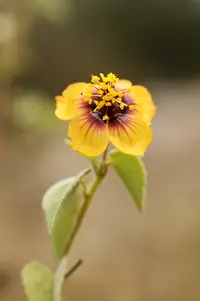
anglestem Indian mallow
Abutilon trisulcatum
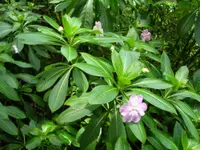
shrub balsam
Impatiens sodenii
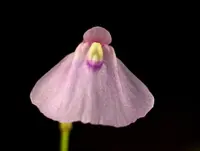
fairy aprons
Utricularia dichotoma
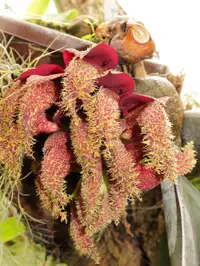
Bulbophyllum phalaenopsis
Bulbophyllum phalaenopsis
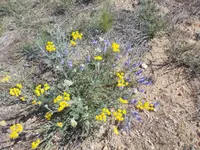
Achillea leptophylla
Achillea leptophylla
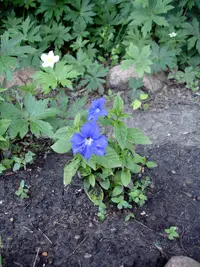
Amethyst flower
Browallia speciosa
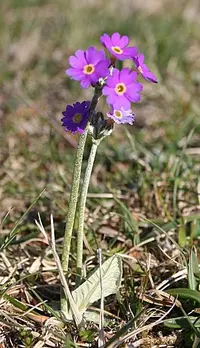
Scottish primrose
Primula scotica
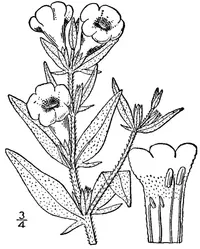
Skinner's false foxglove
Agalinis skinneriana