Amethyst flower Care (Browallia speciosa)

Also known as: Amethyst bush-violet, bush-violet, sapphire flower, blue-bells
Amethyst flower

About Amethyst flower

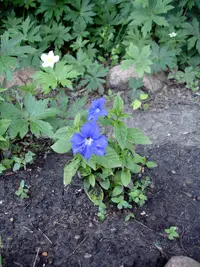
Amethyst flower, Browallia speciosa, is a tender perennial often grown as an annual, valued for its rich violet, blue, or white star-shaped blooms. It forms a compact, bushy plant that works well in containers, hanging baskets, and shaded bedding displays.

In nature, this species comes from tropical regions of South America, where it grows in understory light and evenly moist conditions. It prefers bright, indirect light, consistently moist but not waterlogged soil, and moderate temperatures.

Gardeners generally find it moderately easy to grow, as it blooms reliably if given stable moisture and protection from intense sun or cold drafts. Anyone looking to care for Amethyst flower should focus on avoiding extremes in light, temperature, and dryness.

Main Plant Requirements

Care Difficulty

Moderate Care

Light Preference

Partial Shade

Water Requirements

Regular Water

Temperature Preference

Tropical / Frost Sensitive

Hardiness Zone

10–11

Soil Texture

Loamy, Sandy, Organic-rich

Soil pH

Acidic (5.5–6.5), Slightly acidic (6.5–7.0)

Soil Drainage

Moist but well-drained

Fertilization

Moderate (every 2–4 weeks)

Get Personalized Care Plan

Scan your plant to receive care tips personalized for your specific plant

Available on iOS and Android

How to Care for the Amethyst flower

Browallia speciosa prefers bright, gentle light that protects its delicate foliage and flowers from harsh sun.

  • Provide 3–5 hours of soft morning sun with light or dappled shade the rest of the day, especially in warm regions.
  • Avoid strong midday and afternoon sun, which can scorch leaves, fade blooms, and dry soil too quickly for Amethyst flower.
  • In hotter months, shift plants to filtered shade; in cooler seasons, move them where they receive brighter light to maintain compact growth and flowering.

Browallia speciosa prefers evenly moist, well-drained soil that never stays soggy or bone dry for long.

  • Water when the top 2–3 cm of soil feels dry, allowing moisture to reach the root zone without flooding the planting area.
  • Improve drainage with loose, organic-rich soil so excess water runs through, reducing root rot and yellowing lower leaves from overwatering.
  • In hotter or windy weather, monitor more often for drooping or dry soil; in cooler or rainy periods, extend intervals to prevent waterlogged conditions.

This plant thrives in mild, frost-free conditions and declines quickly in cold or extreme heat.

  • Aim for 65–75°F (18–24°C) for steady growth and flowering, with only brief exposure outside this range.
  • Protect from temperatures below 50°F (10°C); frost will blacken foliage and can kill the plant outright.
  • In hot spells above 85°F (29°C), give light shade and consistent soil moisture to reduce heat stress and flower drop.

This species benefits from moderate to moderately high humidity to maintain lush foliage and continuous bloom.

  • Aim for 40–60% humidity, as very dry heated rooms can cause leaf edges to brown and flowers to drop early.
  • Tolerates brief dips into drier air but repeated exposure below 30% often leads to curling leaves and stalled growth.
  • Group Amethyst flower with other plants or use a nearby tray of damp pebbles rather than misting directly onto the foliage.

Browallia speciosa prefers a loose, airy, organic-rich substrate that drains freely yet holds steady moisture.

  • Use a mix of roughly 2 parts peat- or coir-based potting mix, 1 part compost, and 1 part perlite to balance moisture retention and drainage.
  • Keep pH slightly acidic to neutral, around 6.0–7.0, avoiding strongly alkaline mixes that can reduce nutrient uptake and pale the foliage.
  • Improve aeration by avoiding heavy garden soil and by incorporating coarse perlite or fine bark, especially in containers or compacted beds.
  • Avoid waterlogged conditions, as persistently saturated soil encourages root rot and reduces flowering even if the plant survives.

This plant is well suited to container culture on patios, balconies, or shaded outdoor spots.

  • Choose a pot wide enough to allow its spreading habit, so stems can arch over the rim without crowding the root zone.
  • Select a lightweight plastic or resin container if frequent watering is needed, as these materials slow moisture loss compared with terra-cotta.
  • Use a relatively shallow but broad container with ample drainage holes to keep roots cool while preventing stagnant water at the base.

Browallia speciosa benefits from light, consistent feeding during its active blooming period for sustained flower production.

  • Use a balanced water-soluble fertilizer (around 10-10-10 or 20-20-20) diluted to 1/4–1/2 strength for caring for Amethyst flower in containers.
  • Apply every 2–3 weeks during spring and summer when growth and flowering are strongest.
  • Switch to a slow-release balanced fertilizer or a thin layer of compost for bedding plants at the start of the season.
  • Reduce feeding to once every 4–6 weeks or stop entirely in fall and winter to avoid weak, leggy growth.

Thoughtful pruning supports compact growth and prolonged flowering in Browallia speciosa.

  • Lightly pinch soft growing tips in spring and early summer to encourage branching and fuller shape.
  • Remove dead, diseased, or storm-damaged stems whenever noticed using clean, sharp scissors or pruning snips.
  • Thin crowded interior shoots to improve air flow and reduce fungal problems, especially in humid conditions.
  • Deadhead spent flower clusters by trimming just above a healthy leaf to stimulate new buds.

Container-grown Browallia speciosa benefits from timely repotting or transplanting to maintain steady growth and flowering.

  • Check for roots circling the pot, growing from drainage holes, or for slow growth despite good care as signs it needs a larger container.
  • Plan to repot every 1 year at the start of spring, moving up only 2–5 cm in pot diameter with fresh, well-drained mix.
  • Water thoroughly the day before, then slide the plant out gently, loosen circling roots lightly, and trim only broken or rotten sections.
  • After repotting or transplanting, water well, shade from strong sun for several days, and keep soil evenly moist to reduce root stress.

Browallia speciosa is commonly propagated by seeds and softwood cuttings for seasonal displays.

  • Sow fresh seeds indoors in late winter to early spring on the surface of sterile seed mix, pressing lightly without burying, since light aids germination.
  • Maintain 68–75°F, bright indirect light, and consistent moisture; seedlings usually emerge in 10–21 days.
  • Take 7–10 cm soft stem cuttings in late spring, remove lower leaves, and place in moist, free-draining medium.
  • Provide high humidity, bottom warmth around 70°F, and gentle light until cuttings root, then pot individually.

Browallia speciosa is frost-tender and usually treated as a warm-season annual in temperate climates.

  • In USDA zones below 10, discard spent outdoor plants after the first frost and plan to replant from seed or starters next year.
  • For container plants, move indoors before temperatures drop below 50°F, placing them in bright, indirect light.
  • Reduce watering in winter, keeping the soil just slightly moist, and stop feeding until spring growth resumes.

Care Tips

Staggered Succession Planting

Start a new batch of seedlings or cuttings every 4–6 weeks so flowering continues without gaps as older plants become woody and less productive.

Pinch For Bushiness

Pinch out the soft shoot tips when plants are 10–15 cm tall to encourage a compact, branched habit and a heavier flush of blooms instead of tall, sparse growth.

Shade Cloth Management

In hot climates, use 30–40% shade cloth during the brightest summer weeks to prevent flower bleaching and leaf scorch while still maintaining adequate light for flowering.

Smart Container Sizing

Use shallow, wider containers rather than deep narrow pots to support this relatively shallow-rooted plant, which helps maintain even moisture and improves root aeration.

Spent Plant Turnover

Plan to replace plants after one main flowering season, composting tired specimens and rotating in fresh starts, which is a normal part of growing Amethyst flower as a high-performing annual.

Common Pests and Diseases

Whiteflies

These insects are small, white, moth-like pests that often build up on the undersides of leaves, especially in greenhouse or indoor conditions. Symptoms include sticky honeydew, yellowing leaves, and reduced flowering.

Solution

Reduce numbers by gently shaking foliage and using a handheld vacuum on the underside of leaves, then rinse plants with a strong but controlled stream of water. For ongoing Browallia speciosa care in indoor or sheltered settings, use yellow sticky traps, remove heavily infested leaves, and apply insecticidal soap or neem oil to the undersides of leaves every 5–7 days until populations drop.

Aphids

These insects cluster on young shoots and flower stems, sucking sap and causing curling, distortion, and sticky honeydew that can attract sooty mold. Infestations are common on soft, lush growth when plants are overfertilized or crowded.

Solution

Physically remove colonies by pinching off heavily infested tips and rinsing the plant thoroughly with lukewarm water, focusing on shoot tips and flower stalks. If aphids persist, apply insecticidal soap or neem oil, ensure good air movement, and avoid excessive nitrogen fertilization that encourages very soft growth.

Spider mites

These pests are tiny and often hard to see, but symptoms include fine webbing, stippled or silvery leaves, and overall loss of vigor, especially in hot, dry indoor air. This pest can quickly damage foliage on potted or greenhouse-grown plants.

Solution

Increase humidity around plants, then wash both leaf surfaces with a gentle but thorough spray of water, repeating several times per week. For heavier infestations, use insecticidal soap or a horticultural oil, making sure to coat the underside of leaves, and space plants to improve air circulation and reduce heat stress.

Botrytis blight

This disease causes soft, brown spots on flowers and leaves, which may develop a fuzzy gray mold in cool, humid, or overcrowded conditions. Symptoms include premature flower drop and collapse of tender stems or petals.

Solution

Promptly remove and discard all affected flowers and foliage, and avoid overhead watering that keeps leaves wet for long periods. Improve spacing and airflow, water at the base early in the day, and, in persistent cases, use a fungicide labeled for botrytis on ornamentals while maintaining drier, well-ventilated conditions.

Powdery mildew

This disease appears as white, powdery patches on leaves and stems, leading to yellowing, distortion, and reduced flowering. Symptoms include dull, gray-green foliage and a general decline in plant appearance, especially in dense plantings with poor air circulation.

Solution

Remove and discard the most heavily infected leaves and thin surrounding plants to improve airflow. Water at the soil level, avoid wetting foliage, and apply a suitable fungicide or a horticultural oil labeled for powdery mildew, repeating as directed while keeping humidity moderate and avoiding crowding.

Interesting Facts

Shade-tolerant bloomer

This species can flower well in bright shade or dappled light, unlike many other ornamentals that need full sun for reliable blooming.

Nightshade family member

It belongs to the Solanaceae, the same plant family as tomato, potato, and petunia, which explains its tubular flowers and similar floral structure.

Tropical Andean origins

The plant is native to the montane regions of South America, especially the Andes, where it grows as a short-lived perennial in mild, frost-free conditions.

FAQs about Amethyst flower

Lack of blooms usually comes from low light, excessive heat, or too much nitrogen fertilizer, which promotes foliage over flowers. Old, exhausted plants also flower less. Deadhead faded blooms and keep conditions steady to support repeated flowering.

Grow Healthy Plants with Botan Care

Keep your plants happy and healthy with plant identification, disease detection, and easy care guidance.

Botan plant care app — identify plants on mobile

Explore More Plants