Scottish primrose Care (Primula scotica)

Scottish primrose

About Scottish primrose

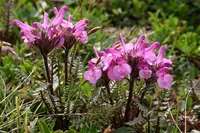
Scottish primrose (Primula scotica) is a tiny, cold-hardy perennial adapted to harsh coastal climates. It forms low rosettes of small, rounded leaves topped with purple flowers. This species is native to the far north of Scotland, especially windy, maritime grasslands and rocky, lime-rich soils. Its compact size and slow, precise growth habit make it sensitive to disturbance and unsuitable for heavy handling. Primula scotica prefers cool temperatures, bright but gentle light, and consistently moist, sharply drained soil. Gardeners who want to care for Scottish primrose need to match its cool, coastal conditions as closely as possible.

Main Plant Requirements

Care Difficulty

Hard Care

Light Preference

Partial Shade

Water Requirements

Keep Soil Moist

Temperature Preference

Cold Hardy

Hardiness Zone

4–7

Soil Texture

Loamy, Silty, Organic-rich

Soil pH

Strongly acidic (4.5–5.5), Acidic (5.5–6.5)

Soil Drainage

Moist but well-drained

Fertilization

Minimal (feed rarely)

Get Personalized Care Plan

Scan your plant to receive care tips personalized for your specific plant

Available on iOS and Android

How to Care for the Scottish primrose

This alpine species prefers cool, soft light rather than intense, direct sun.

  • Provide 2–4 hours of gentle morning sun with bright open shade or light cloud cover for the rest of the day.
  • Allow dappled or filtered light; avoid strong midday and afternoon sun, which can scorch leaves and bleach Scottish primrose flowers.
  • In summer, prioritize partial shade and shelter from reflective heat; in cooler seasons, slightly more direct low-angle sun is beneficial.

Primula scotica needs consistently moist but not waterlogged soil.

  • Water when the top 1–2 cm of soil feels barely damp, not dry, aiming to keep deeper soil lightly moist at all times.
  • Ensure sharp drainage with gritty or sandy components so water moves through quickly, preventing standing water around the roots.
  • In cooler months, reduce watering as growth slows; watch for limp, dull leaves as a sign of underwatering and yellowing, mushy foliage as overwatering.

This hardy primrose is adapted to cool, maritime climates and dislikes heat.

  • Aim for cool growing temperatures around 45–60°F (7–16°C) during active growth for strongest plants and flowers.
  • Mature plants tolerate down to about 20°F (-7°C) with good drainage; prolonged freeze-thaw cycles in wet soil increase crown rot risk.
  • Heat above 70°F (21°C), especially combined with strong sun, causes stress; provide shade and extra airflow in warm spells and avoid planting in heat traps.

This species benefits from consistently cool, moist air rather than dry indoor conditions.

  • Aim for 50–70% humidity, similar to a cool, moist coastal climate.
  • Dry air leads to limp leaves, browning edges, and flower buds that fail to open fully.
  • Increase humidity outdoors by grouping pots and using a pebble tray; avoid misting in sun or on cool evenings to reduce fungal risk.

Primula scotica prefers a cool, moist yet sharply drained soil that mimics thin, coastal grassland over rock.

  • Use a gritty, sandy loam with 30–50% mineral grit (sharp sand, fine gravel) plus low to moderate compost content.
  • Ensure rapid drainage so water runs through in seconds, not minutes, while the mix still holds some moisture around the roots.
  • Target slightly acidic to neutral pH around 6.0–7.0, avoiding strongly acidic peat-heavy or strongly alkaline mixes.
  • Improve aeration and drainage by blending horticultural grit or perlite through the entire depth and never allowing the mix to become compacted.

This species can be grown in containers if the pot mimics its shallow, cool, free-draining natural habitat.

  • Choose a wide, relatively shallow pot to suit its fine, shallow roots and reduce waterlogging risk at the base.
  • Use unglazed clay if possible, as its faster moisture loss helps prevent constantly wet conditions around the crown.
  • Elevate the pot on feet or mesh so drainage holes stay clear and water does not collect under the container after rain or watering.

This alpine species needs only light feeding, as it is adapted to low-nutrient soils.

  • Use a low‑dose balanced NPK liquid fertilizer at 1/4–1/2 strength for Scottish primrose in containers only.
  • Feed once every 4–6 weeks during active growth in spring and early summer.
  • Avoid rich compost or heavy slow‑release products that can cause lush, weak growth.
  • Stop feeding in late summer and do not fertilize during winter dormancy.

Pruning needs for Primula scotica are minimal and focus on cleanliness rather than shaping.

  • In late spring and after flowering, remove spent flower stalks to encourage a tidy rosette and possible repeat blooming.
  • Trim off yellowing, diseased, or damaged leaves promptly with small, sharp scissors or snips.
  • Avoid cutting into the central rosette, as this can weaken the plant and reduce future flowering.
  • Light grooming through the season improves airflow around foliage and helps limit fungal problems.

This species is more often transplanted in rock gardens or alpine beds than grown in large containers.

  • Transplant in early spring or just after flowering, when temperatures are cool and soil stays evenly moist.
  • Look for signs like roots circling a small pot, soil drying very fast, or stunted growth before moving plants.
  • Shift only 1 pot size up or place into a shallow, well‑drained outdoor site with gritty, low‑fertility soil.
  • Water thoroughly after transplanting, shade lightly for a few days, and keep soil just moist to limit root stress.

Primula scotica is usually propagated by seed; division is possible but should be done with care.

  • Sow fresh seed in late summer to autumn on the soil surface, as light improves germination in many Primula species.
  • Provide cool conditions around 50–59°F and consistently moist, not waterlogged, substrate for germination.
  • If dividing, lift mature clumps in early spring, gently separate small rosettes, and replant immediately.
  • Use a gritty, free‑draining medium and protect young plants from strong sun and drying winds.

This cold‑adapted species is fairly hardy in cool coastal climates but still benefits from some winter attention.

  • In the ground, apply a thin mulch of fine grit or leaf mold around, not over, the rosettes to buffer freeze‑thaw cycles.
  • Avoid waterlogged soil in winter, as saturated conditions combined with frost increase crown rot risk.
  • For container plants, move pots to a cold frame or sheltered unheated porch, keeping soil just barely moist.

Care Tips

Alpine-style drainage

Use a wide, shallow pot or tray with several extra drainage holes and a 2–3 cm layer of coarse grit at the bottom to mimic the plant’s natural rocky habitat and reduce crown rot risk.

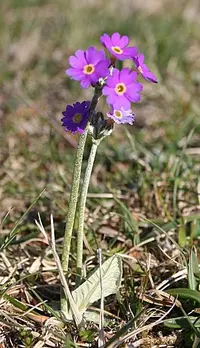
Top-dressing with grit

After planting, add a thin layer of horticultural grit or sharp sand around the crowns to keep leaf bases dry, limit moss growth, and discourage fungal problems when growing Scottish primrose in damp climates.

Cool summer management

In hot regions, move containers to a north-facing spot or lightly shaded cold frame during the warmest months to keep roots cool and reduce stress that can shorten the plant’s lifespan.

Gentle seedling handling

When transplanting seedlings, use a dibber or pencil to lift them by the cotyledons rather than the stem, and move them into individual cells with a high-grit mix to prevent damage to their fine root systems.

Slug and snail barriers

Place a ring of horticultural grit or a copper band around pots or rock garden pockets early in the season to protect the small rosettes and flower stalks from slug and snail damage before they become noticeable.

Common Pests and Diseases

Grey mould

This disease often develops in cool, humid, poorly ventilated conditions and causes soft brown lesions on leaves, flower stalks, and crowns, which may become covered with grey fuzzy mould. Symptoms include collapse of affected tissues, especially after wet or damaged foliage is left in shade.

Solution

Remove and discard all affected tissue and any dead leaves around the crowns, then improve air circulation and avoid overhead watering so foliage dries quickly. In very damp, disease-prone sites, thin nearby vegetation and space plants wider; a targeted fungicide labeled for Botrytis on ornamentals may be used if cultural adjustments do not control the problem.

Powdery mildew

This disease appears as white, powdery patches on leaves and flower stems, often during warm days and cool nights. Symptoms include distorted growth and premature leaf yellowing and drop, which can weaken small plants.

Solution

Increase air movement around plants, avoid crowding, and water at soil level to keep foliage dry. Remove heavily infected leaves and, if needed, apply a sulfur or potassium bicarbonate product labeled for powdery mildew on ornamentals, following label directions carefully as part of broader Primula scotica care instructions.

Aphids

These insects feed on new growth and flower stems, sucking sap and causing distortion, sticky honeydew, and sometimes sooty mould on leaves. This pest tends to build up quickly on sheltered, nutrient-rich plants, especially in late spring and early summer.

Solution

Physically squash or wash off colonies with a firm stream of water, paying attention to the undersides of leaves and flower stalks. For persistent infestations, use insecticidal soap or a light horticultural oil, applied in cool parts of the day and repeated as needed according to the product label.

Slugs and snails

These pests thrive in the cool, moist habitats favored by this species and chew irregular holes in leaves and young flower stalks, sometimes removing entire seedlings. Symptoms include shredded leaf edges, slime trails, and missing soft tissues close to the soil surface.

Solution

Hand-pick slugs and snails at night or early morning, and reduce hiding places such as dense ground debris, boards, and thick mulch near crowns. Use barriers or iron phosphate slug baits labeled for ornamental plantings, placing them around but not directly on the plants and reapplying after heavy rain.

Interesting Facts

Tiny coastal specialist

This species is endemic to the far north of Scotland, where it grows naturally only on short, grazed, wind-exposed maritime grasslands close to the sea.

Two flowering seasons

Unlike many primroses, it often flowers twice a year in its native habitat, typically producing one flush in spring and another in late summer if conditions stay cool and moist.

Reliant on grazing

The plant depends on light grazing by sheep or wild herbivores to keep surrounding vegetation short, which reduces competition and helps its tiny rosettes receive enough light.

Botan icon

Did you know?

Primula scotica is considered one of the rarest native flowering plants in the British flora, with its entire wild population restricted to scattered sites along the north coasts of mainland Scotland and Orkney.

FAQs about Scottish primrose

Lack of flowers usually comes from plants being too warm, too dry, or overly shaded, or from nutrient‑rich soil that encourages leaves instead of buds. Cool conditions and lean, gritty soil are essential for growing Scottish primrose successfully.

Grow Healthy Plants with Botan Care

Keep your plants happy and healthy with plant identification, disease detection, and easy care guidance.

Botan plant care app — identify plants on mobile

Explore More Plants