Antirrhinum charidemi Care

Antirrhinum charidemi

About Antirrhinum charidemi

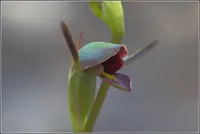
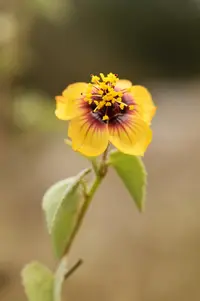
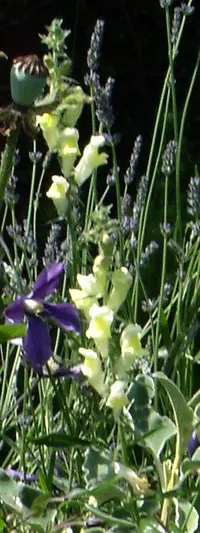
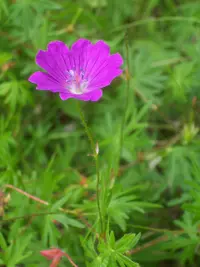
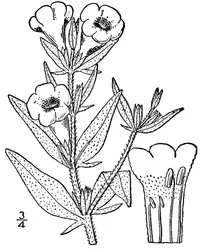
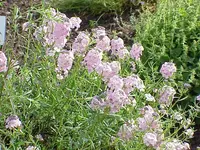
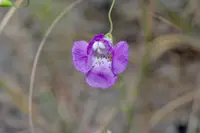
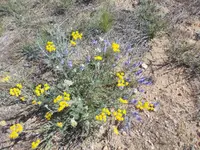
Antirrhinum charidemi is a compact, perennial snapdragon relative, typically forming low, branching clumps with delicate stems and small, narrow leaves. Its tubular, bilobed flowers resemble miniature snapdragon blooms and may appear in soft, attractive colors depending on the local form.

This species occurs naturally in rocky, mountainous habitats of southeastern Spain, often on limestone cliffs and slopes. It is adapted to bright light, good air movement, and well-drained, rather poor soils.

In cultivation, it tends to be moderately easy for gardeners who can match its preference for sun, drainage, and relatively dry conditions. Understanding how to care for Antirrhinum charidemi starts with avoiding heavy, waterlogged substrates and extreme humidity.

Main Plant Requirements

Care Difficulty

Moderate Care

Light Preference

Full Sun

Water Requirements

Moderate Water

Temperature Preference

Warm Climate

Hardiness Zone

8–10

Soil Texture

Sandy, Loamy, Rocky

Soil pH

Acidic (5.5–6.5), Slightly acidic (6.5–7.0)

Soil Drainage

Well-drained

Fertilization

Minimal (feed rarely)

Get Personalized Care Plan

Scan your plant to receive care tips personalized for your specific plant

Available on iOS and Android

How to Care for the Antirrhinum charidemi

This sun-loving mountain snapdragon thrives in bright, open positions with protection from the harshest heat.

  • Provide 6–8 hours of direct sun daily, with morning sun ideal and light afternoon shade in very hot, dry climates to avoid leaf scorch.
  • Plant in an open site; it tolerates light partial shade (around 3–4 hours sun), but flowering and compact growth are best in full sun.
  • Watch for stretched, floppy stems and sparse blooms as signs of insufficient light, especially in autumn and winter when day length shortens for Antirrhinum charidemi.

This species prefers evenly moist but free-draining soil that dries slightly between waterings.

  • Allow the top 2–3 cm of soil to dry before watering again; in open ground this often means deeper, less frequent watering guided by soil feel rather than a fixed schedule.
  • Use sharply drained, gritty or sandy soil so water moves away from the crown; standing water or heavy clay promotes root rot and weak, yellowing growth.
  • Reduce watering in cool seasons when growth slows, and watch for wilting, crispy leaves as a sign of underwatering; limp, yellowing foliage and a sour soil smell indicate overwatering in Antirrhinum charidemi.

This rock snapdragon prefers mild conditions and does best where summers are not intensely hot.

  • Aim for active growth in 60–75°F (16–24°C); flowering and foliage quality are best in this moderate range, especially with good air movement.
  • Protect from hard frost; established plants may tolerate brief dips to about 25°F (-4°C) if soil is well drained, but repeated freezes below this can kill stems and roots.
  • In hot spells above 86°F (30°C), flowering can slow and foliage may scorch, so provide afternoon shade and avoid heat-reflecting walls or paving near the plant.

This Mediterranean snapdragon tolerates relatively dry air and rarely needs special humidity control.

  • Target 30–50% humidity, similar to typical indoor and outdoor conditions in many homes and gardens.
  • Brown, crisp leaf edges and buds that dry before opening can signal combined low humidity and irregular watering stress.
  • If air is very dry and hot, group pots together and mulch the soil surface to reduce evaporative moisture loss.

Antirrhinum charidemi grows best in light, well-structured mineral soil that drains freely yet retains moderate moisture.

  • Use a sandy or sandy-loam mix with about 50–60% general-purpose potting mix, 20–30% coarse sand, and 10–20% perlite for aeration.
  • Aim for slightly alkaline to neutral pH around 6.8–7.5, avoiding strongly acidic mixes that can limit nutrient availability.
  • In heavy clay, improve structure by incorporating coarse sand and fine gravel into the top 20–25 cm to prevent waterlogging around the crown.
  • Avoid dense, peat-heavy substrates that stay wet for long periods, as poorly aerated soil increases root rot risk and weak, leggy growth.

This species is suitable for container growing, especially in sunny patios or balconies.

  • Choose a pot at least 20–25 cm deep to allow the taproot to develop without curling at the base.
  • Select a heavier clay or ceramic container in windy sites to keep the tall flowering stems stable.
  • Raise the pot on feet or bricks so drainage holes stay clear and runoff does not re-soak the root zone.

This species is adapted to low-nutrient, rocky habitats, so fertilizing Antirrhinum charidemi should stay light and targeted.

  • Use a balanced, low-strength liquid fertilizer (around 10-10-10 or similar) diluted to 1/2–1/4 strength for container or garden plants in poor soil.
  • Feed every 4–6 weeks during active spring–summer growth only, skipping any dose if plants already look lush and vigorous.
  • Avoid rich compost layers directly at the crown; instead, mix a small amount into the planting area before the season starts.
  • Stop feeding in late summer to early fall so growth can harden off before colder weather and to prevent weak, soft tissues.

Pruning Antirrhinum charidemi focuses on cleaning spent growth and encouraging compact, floriferous plants.

  • In late spring and through summer, deadhead faded flower spikes just above a pair of healthy leaves to promote further blooming.
  • Use clean, sharp scissors or small bypass pruners to remove dead, damaged, or diseased stems as soon as they appear.
  • Thin out crowded, weak shoots at the base to improve air movement and reduce fungal problems in humid conditions.
  • At season’s end, cut back dry stems close to ground level, leaving a small stub to mark the plant’s position.

This species is more often transplanted in the ground than long-term potted, since it behaves as a short-lived perennial or biennial.

  • Transplant seedlings or young plants in early to mid spring once frost risk is low and roots lightly fill starter cells or small pots.
  • Check for roots circling the plug, stalled growth, or plants drying out very fast as signs they are ready to move to the garden.
  • Prepare a well-drained, gritty soil, water the plant beforehand, and transplant with the root ball intact to keep disturbance minimal.
  • Water thoroughly after planting, shade lightly for a few days in hot climates, and keep soil just moist while roots establish.

Propagation of Antirrhinum charidemi is most practical from seed, with cuttings used only in more controlled setups.

  • Collect seed from mature, dry capsules at the end of the flowering season and store cool and dry until sowing.
  • Sow seeds in late winter to early spring on the surface of a free-draining mix; light helps germination, so do not bury them deeply.
  • Maintain 60–70°F temperatures and consistent, gentle moisture with a clear cover or humidity dome until germination occurs.
  • For cuttings, take non-flowering shoots in spring, use a gritty, sterile medium, and keep humidity high until roots form.

This plant prefers mild, Mediterranean-type winters and often needs some help in colder climates.

  • In regions with frost, treat it as an annual or short-lived perennial, as hard freezes can kill plants outright.
  • Apply a light gravel or coarse mulch layer around the crown in fall to improve drainage and buffer temperature swings.
  • Move containers to a sheltered, frost-free spot with bright light and slightly reduced watering during winter months.
  • Avoid heavy, wet winter soils, which increase root rot risk and reduce survival into the next growing season.

Care Tips

Early staking method

Install low, branching supports or a small mesh grid when plants are 5–8 cm tall so stems can grow through and stay upright in wind without later tying that can damage brittle flowering shoots.

Cool-night promotion

If possible, provide slightly cooler nights (50–59°F) for several weeks after transplanting outdoors to encourage compact, sturdy growth and more flower spikes rather than tall, weak stems.

Spent spike removal

Cut back finished flower spikes to just above a pair of strong leaves instead of only pinching the tips, which directs energy into new lateral shoots and extends the flowering period when growing Antirrhinum charidemi.

Targeted aphid control

Inspect the new growth and flower spikes weekly and, at the first sign of aphids, wash them off with a firm water spray in the morning, then apply an insecticidal soap in the evening if needed to prevent virus transmission and distorted blooms.

Dense planting strategy

Space plants slightly closer than standard (for example 15–18 cm rather than 20–25 cm) in windy or exposed sites to create a self-supporting canopy that reduces lodging and keeps inflorescences cleaner and more upright.

Common Pests and Diseases

Rust

This disease causes orange to brown pustules on leaves and stems, often leading to yellowing and early leaf drop in snapdragons and related Antirrhinum species.

Solution

Remove and discard affected leaves, avoid overhead watering, and increase spacing and airflow around plants; in humid or persistent cases, apply a labeled sulfur or chlorothalonil fungicide preventively on new growth as part of broader Antirrhinum charidemi care instructions.

Powdery mildew

This disease appears as white, powdery patches on leaves, stems, and sometimes flower spikes, often developing in dry air with poor airflow and cool nights.

Solution

Improve air circulation, water at soil level, avoid overcrowding, and remove heavily affected foliage; if needed, use a labeled fungicide containing potassium bicarbonate or myclobutanil, applied according to directions at the first sign of symptoms.

Aphids

These insects cluster on young stems and flower spikes, sucking sap and causing distortion, sticky honeydew, and sometimes sooty mold growth.

Solution

Dislodge colonies with a firm stream of water, pinch off heavily infested shoot tips, and introduce or encourage natural predators like lady beetles; for persistent infestations, use insecticidal soap or neem oil, coating undersides of leaves and tender growth thoroughly.

Botrytis blight

This disease causes soft, brown, water-soaked spots on flowers and stems that quickly develop gray, fuzzy mold in cool, damp conditions.

Solution

Promptly remove and discard infected flowers and stems, avoid wetting foliage, and improve spacing and airflow; in wet seasons or sheltered sites, a preventive fungicide labeled for botrytis on ornamentals may be needed, focusing sprays on buds and dense growth areas.

Snapdragon smut

This disease produces dark streaks or blackened, blister-like areas on stems and sometimes on leaves, weakening plants and reducing flowering.

Solution

Pull out and destroy affected plants including roots, avoid replanting Antirrhinum in the same soil for a few years, and keep beds clean of old plant debris; use healthy, certified seed or transplants and rotate with unrelated ornamentals to reduce future risk.

Interesting Facts

Endemic cliff specialist

This species is narrowly endemic to limestone cliffs and rocky slopes of the Sierra de Gádor in southeastern Spain, growing in crevices where very little soil accumulates.

Adaptation to arid winds

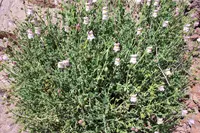
Its small, narrow leaves and cushion-forming habit help reduce water loss and withstand strong, dry mountain winds typical of its natural habitat.

Conservation concern status

The species has a restricted range and specialized habitat and has been assessed as threatened in regional floras, making habitat disturbance a major risk to its long-term survival.

FAQs about Antirrhinum charidemi

This species is better suited to outdoor rock gardens and sunny borders. Indoors it tends to stretch, flower poorly, and decline quickly unless light, airflow, and temperature are very carefully controlled, so long-term display indoors is unreliable.

Grow Healthy Plants with Botan Care

Keep your plants happy and healthy with plant identification, disease detection, and easy care guidance.

Botan plant care app — identify plants on mobile

Explore More Plants