BotaN logo

bloody geranium Care (Geranium sanguineum)

bloody geranium

About bloody geranium

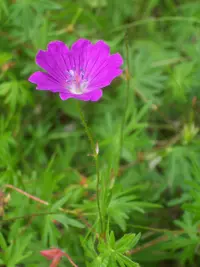
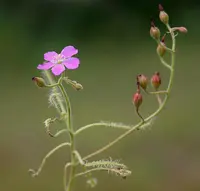
Bloody geranium, Geranium sanguineum, is a hardy, low-growing perennial valued for its loose mounds of finely divided leaves and vivid magenta to deep pink flowers. It forms dense clumps that spread slowly, making it useful as a groundcover along borders, paths, or in rock gardens.

This species is native to parts of Europe and western Asia, where it grows in open woodlands, grasslands, and rocky slopes. It adapts well to many garden soils as long as drainage is good and prefers sun to light shade.

Once established, it is relatively low maintenance and tolerant of short dry spells, which makes it suitable for beginner gardeners learning how to care for bloody geranium.

Main Plant Requirements

Care Difficulty

Easy Care

Light Preference

Full Sun

Water Requirements

Moderate Water

Temperature Preference

Cold Hardy

Hardiness Zone

3–8

Soil Texture

Sandy, Loamy, Rocky

Soil pH

Acidic (5.5–6.5), Slightly acidic (6.5–7.0)

Soil Drainage

Well-drained

Fertilization

Minimal (feed rarely)

Get Personalized Care Plan

Scan your plant to receive care tips personalized for your specific plant

Available on iOS and Android

How to Care for the bloody geranium

This hardy perennial favors bright outdoor conditions with moderate direct sun for best flowering.

  • Provide 4–6 hours of direct sun daily, ideally morning sun with light afternoon shade to reduce leaf scorch on bloody geranium.
  • In hot summers, give dappled or filtered light after 1–2 p.m.; in cooler climates it tolerates full sun all day if soil does not dry out completely.
  • In dense shade blooms decline and stems stretch, so move or thin nearby plants to increase light exposure, especially in spring and early summer.

This plant prefers evenly moist, free-draining soil and tolerates short dry spells once established.

  • Water when the top 3–5 cm of soil feels dry, applying a deep soak rather than frequent light splashes to encourage a deeper root system.
  • Use sharply drained soil with added grit or coarse sand; Geranium sanguineum is prone to root rot if water collects around the crown or in heavy clay.
  • Reduce watering in cool or wet seasons, watching for yellowing, mushy stems as a sign of excess moisture and crisp, drooping foliage as a sign of drought stress.

This species is a cold-hardy perennial that thrives in temperate outdoor climates with marked seasons.

  • Active growth and flowering occur best at 60–75°F (16–24°C); plants remain healthy slightly outside this range if soil and light conditions are suitable.
  • Established clumps tolerate winter lows near 0°F (-18°C) with mulch, while short frosts below this may damage crowns in poorly drained or exposed sites.
  • During summer heat above 85°F (29°C), provide afternoon shade and consistent soil moisture to prevent leaf scorch and premature dieback, especially in dry, windy spots.

This species handles a wide humidity range and usually needs no special humidity management outdoors.

This hardy perennial prefers free-draining, moderately fertile soil to prevent root problems.

  • Use a lean, gritty loam or sandy loam with 20–30% coarse sand or fine grit to keep structure open.
  • Aim for slightly acidic to neutral pH, around 6.0–7.5, which suits most Geranium sanguineum plants.
  • Incorporate a small amount of well-rotted compost to improve moisture retention without making the soil heavy.
  • Avoid compacted clay, waterlogged sites, or peat-heavy mixes that stay wet and limit oxygen around the roots.

This species grows reliably in containers when drainage and root space are managed carefully.

  • Choose a wide, shallow pot that allows the spreading root system and stems to form a low, stable mound.
  • Use a mineral-rich, gritty mix over a drainage layer so water exits quickly and the lower root zone stays aerated.
  • Select a heavier material pot, such as ceramic or clay, to keep the spreading plant from tipping in wind.

Geranium sanguineum is modest in nutrient needs but responds well to light feeding in lean soils.

  • Use a balanced, slow-release granular fertilizer (around 10-10-10) or thin compost layer in early spring.
  • Feed container plants every 4–6 weeks in the growing season with half-strength balanced liquid fertilizer.
  • Avoid high-nitrogen products that encourage excessive foliage at the expense of flowers.
  • Stop feeding in late summer so plants harden off before winter dormancy.

Pruning helps Geranium sanguineum stay dense, flower well, and maintain a tidy mound.

  • In late winter or very early spring, remove dead, damaged, or weak stems with clean hand pruners or shears.
  • Shear or cut back spent flowering stems by about one-third in midsummer to encourage fresh growth and more blooms.
  • Thin crowded sections lightly to improve air flow and reduce foliar disease risk.
  • Deadhead faded flowers during the season if a neater look and reduced self-seeding are desired.

This hardy perennial is usually grown in the ground, so focus on thoughtful transplanting rather than frequent repotting.

  • Transplant in early spring or early fall when temperatures are mild and soil stays evenly moist.
  • Move clumps only every several years, when growth declines or the plant outgrows its space.
  • Lift the root ball with a spade, keeping as many roots and attached soil intact as possible.
  • Replant at the same depth in well-drained soil, then water thoroughly and shade lightly for a week to reduce stress.

Geranium sanguineum is commonly propagated by division, cuttings, or seed under suitable conditions.

  • Divide mature clumps in early spring or early fall, replanting sections with several buds and healthy roots.
  • Take 7–10 cm softwood cuttings in late spring, use a free-draining mix, and keep humidity moderate until rooted.
  • Sow fresh seed in trays outdoors in fall or provide a cold stratification period to improve germination.
  • Keep propagating media lightly moist, not waterlogged, and provide bright, indirect light for steady early growth.

This species is cold hardy in much of the US and usually needs minimal winter care in the ground.

  • Once frosts blacken foliage, cut stems back close to ground level if a tidy appearance is preferred.
  • Apply a 3–5 cm mulch layer over the root zone in colder regions to moderate soil temperature swings.
  • Move container plants into an unheated garage or sheltered porch where soil does not freeze solid for long periods.

Care Tips

Shear After Flowering

Shear the whole clump back by about one-third right after the main flush of blooms to encourage dense regrowth and a lighter second flowering later in the season.

Edge Containment

Install a shallow, vertical edging (5–8 cm deep) around beds to keep underground rhizomes from creeping into lawns or paths while still allowing the plant to spread into a tidy mound.

Rock Garden Placement

Plant near stones, gravel, or low walls where heat from the hardscape keeps the crown drier and reduces crown rot risk in wet climates, especially useful when growing bloody geranium in heavy soils.

Autumn Division Timing

Lift and divide older clumps in early autumn, replanting only the healthiest, firm sections at the same depth to rejuvenate flowering and prevent the center from becoming woody and sparse.

Spring Pest Scouting

In early spring, check the undersides of new leaves for aphids and treat localized colonies promptly with a strong water spray or insecticidal soap before they distort new growth.

Common Pests and Diseases

Vine weevil

This pest chews notches from the leaf edges, while larvae in the soil feed on roots and can cause sudden wilting or plant collapse.

Solution

Hand-pick adult beetles at night, then target larvae by drenching the soil with a biological control containing nematodes labeled for vine weevil, and avoid keeping the soil constantly wet to make conditions less favorable for larvae.

Geranium sawfly

These insects skeletonize leaves, leaving only the veins and giving the plant a scorched, lace-like appearance.

Solution

Inspect foliage regularly, remove and destroy affected leaves, hand-pick visible green larvae, and if needed use a contact insecticidal soap or horticultural oil, ensuring thorough coverage of the undersides of leaves.

Botrytis blight

This disease causes soft brown spots on leaves, buds, and stems, often covered with a fuzzy gray mold in damp, crowded conditions.

Solution

Remove and discard all affected plant parts, thin or divide clumps to improve airflow, water at soil level in the morning, and in persistent cases apply a fungicide labeled for ornamental perennials during prolonged wet weather.

Powdery mildew

Symptoms include white, powdery fungal growth on upper leaf surfaces, which can lead to yellowing, distortion, and early leaf drop in dense clumps.

Solution

Increase spacing and air movement around plants, avoid overhead watering, remove heavily affected leaves, and when needed apply a sulfur or potassium bicarbonate fungicide according to label directions as part of Geranium sanguineum care.

Leaf spot

This disease produces small brown or purple spots that may merge into larger blotches, leading to premature yellowing and thinning of foliage.

Solution

Clear away and dispose of infected leaves, keep foliage dry by watering at the base, avoid overcrowding, and if leaf spot recurs each season, use a preventive fungicide spray in early spring when new leaves emerge.

Interesting Facts

Cold-climate specialist

This species is naturally adapted to temperate, often rocky habitats across Europe and can tolerate frost and light snow while remaining perennial, resprouting reliably each spring from its rootstock.

Shearing-tolerant growth

After flowering, the foliage can naturally die back and then regenerate from the crown, a trait that allows it to recover well from cutting back and maintain a compact, mounding habit in open sites.

Wildlife-supporting flowers

Its magenta to purplish-pink blooms provide nectar and pollen for a range of bees, hoverflies, and other small pollinators over an extended flowering season in suitable climates.

Botan icon

Did you know?

The specific epithet sanguineum, meaning blood-red, refers to the reddish coloration the foliage and stems can develop in cool weather and in autumn, which historically inspired the common name bloody cranesbill.

FAQs about bloody geranium

This species spreads slowly by short rhizomes and self-seeding, usually forming tidy clumps rather than running. In typical garden conditions it is not considered aggressive, but it can gradually widen over several years.

Grow Healthy Plants with Botan Care

Keep your plants happy and healthy with plant identification, disease detection, and easy care guidance.

Botan plant care app — identify plants on mobile

Explore More Plants