hoary vervain Care (Verbena stricta)

Also known as: hoary verbena, woolly verbena
hoary vervain

About hoary vervain

Hoary vervain (Verbena stricta) is a perennial wildflower native to prairies and open fields in central and eastern North America. It is often used in native meadow and pollinator plantings.

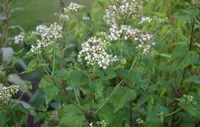
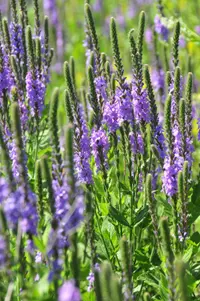
The plant forms upright clumps with square stems, narrow gray-green hairy leaves, and tall spikes of small purple flowers. These blooms attract bees, butterflies, and other beneficial insects.

Hoary vervain tolerates poor soils, drought, and heat, which makes it relatively easy to establish in low-maintenance landscapes. It prefers full sun and well-drained soil.

Gardeners who want to know how to care for hoary vervain mainly need to focus on providing enough light and avoiding consistently wet conditions.

Main Plant Requirements

Care Difficulty

Easy Care

Light Preference

Full Sun

Water Requirements

Low Water

Temperature Preference

Cold Hardy

Hardiness Zone

3–8

Soil Texture

Sandy, Loamy, Rocky

Soil pH

Slightly acidic (6.5–7.0), Neutral (7.0)

Soil Drainage

Well-drained

Fertilization

Minimal (feed rarely)

Get Personalized Care Plan

Scan your plant to receive care tips personalized for your specific plant

Available on iOS and Android

How to Care for the hoary vervain

Verbena stricta thrives in open, sunny sites where it receives strong direct light for most of the day.

  • Provide 6–10 hours of direct sun daily; full sun promotes dense growth and abundant flowering in hoary vervain.
  • Plant where it gets morning to midday sun; light afternoon shade is acceptable in very hot climates to reduce leaf scorch.
  • In partial shade (fewer than 4–5 hours of sun), expect taller, weaker stems and fewer blooms, especially in late summer.

Verbena stricta prefers dry to moderately dry soil and is adapted to drought-prone habitats.

  • Water established plants only when the top 5–8 cm of soil are completely dry; leaves that droop and recover at night suggest mild drought stress, which the plant tolerates.
  • Use fast-draining, sandy or gravelly soil so water does not pool around the roots, which increases risk of root rot and yellowing foliage.
  • In the first growing season, water deeply after planting, then every 7–14 days during dry spells; reduce watering almost entirely once roots are well established.

This prairie perennial is cold hardy yet also handles summer heat when soil drainage is good.

  • Optimal growth occurs around 70–85°F (21–29°C), with strong flowering in warm, bright conditions and low humidity stress.
  • Plants tolerate winter lows to about -30°F (-34°C) in the ground, entering dormancy and resprouting in spring once soil warms above 50°F (10°C).
  • Mature plants handle short heat waves above 95°F (35°C) if roots are deep, but young plants may wilt and benefit from light afternoon shade in extreme heat.

This species prefers relatively dry air and usually does not need special humidity control.

  • Target 30–50% relative humidity, similar to typical indoor air in heated or air-conditioned homes.
  • Plants tolerate dry air well; crispy leaf edges are more often due to drought or heat than low humidity in hoary vervain.
  • If air is extremely dry and hot, modestly increase humidity by grouping pots or placing a shallow water tray nearby without wetting foliage.

This prairie perennial thrives in lean, well-drained mineral soils and is highly tolerant of poor ground.

  • Use sandy or gravelly loam with low to moderate organic matter to match natural Verbena stricta habitats.
  • Ensure rapid drainage; mix roughly 50–70% mineral material (coarse sand or fine gravel) with the remainder compost or garden soil.
  • Aim for slightly acidic to neutral pH around 6.0–7.5, which supports nutrient availability without excessive fertility.
  • Avoid dense clay, waterlogged spots, or mixes heavy in peat that stay wet and reduce root aeration.

This species can grow in containers if the pot and substrate are chosen to prevent waterlogging.

  • Select a deep, relatively narrow pot that supports the taproot while limiting excess wet substrate around the root zone.
  • Use a heavier container material such as ceramic or clay to keep tall flowering stems stable in wind.
  • Elevate the pot on feet or a stand so drainage holes stay clear and runoff leaves the container quickly after rain or watering.

Verbena stricta grows well in lean soils and usually needs only light feeding in gardens or containers.

  • Apply a thin layer of compost around plants in spring to support steady growth.
  • If desired, use a balanced NPK fertilizer at 1/2 strength once at the start of the growing season.
  • For container plants, use a slow-release balanced fertilizer in spring, following label rates.
  • Avoid feeding in late fall and winter, when growth slows or plants are dormant.

Pruning Verbena stricta helps maintain a tidy shape and encourages longer flowering.

  • In mid to late summer, shear back spent flower spikes to promote new blooms and reduce self-seeding.
  • Remove dead, damaged, or badly leaning stems at the base using clean hand pruners.
  • Thin crowded stems to improve air flow and reduce disease pressure in humid climates.
  • Cut back dry stalks in late fall or early spring, depending on preference for winter structure.

This species is most often grown in the ground, so focus on careful transplanting rather than frequent repotting.

  • Transplant Verbena stricta in spring or early fall, when temperatures are mild and soil is workable.
  • Move plants only every few years, or when overcrowded patches show reduced vigor and flowering.
  • Water the planting hole before setting the root ball, then backfill gently to limit root disturbance.
  • After transplanting, water deeply, provide 1–2 weeks of consistent moisture, and avoid high-nitrogen fertilizer until new growth appears.

Verbena stricta is commonly propagated from seed, with occasional use of division in established clumps.

  • Sow seeds outdoors in fall or very early spring so natural cold stratification breaks dormancy.
  • For indoor starts, provide 4–6 weeks of cold, moist stratification in the refrigerator, then sow under bright light.
  • Keep germinating seeds in evenly moist, well-drained soil at 60–70°F until true leaves form.
  • Divide mature clumps in early spring, replanting divisions promptly and watering well to reduce transplant shock.

Hoary vervain is a hardy perennial in much of its range and usually needs minimal winter care outdoors.

  • Tolerates typical winter frost in USDA zones around 3–8 once established in well-drained soil.
  • In colder or exposed sites, add a light 5–8 cm mulch layer after the ground cools to moderate soil temperature.
  • For container plants in very cold climates, move pots into an unheated garage or cold frame to prevent root freeze–thaw damage.

Care Tips

Staggered Succession Sowing

For longer flowering in larger plantings, sow small patches 2–3 weeks apart in spring so that young plants come into bloom as older stems begin to decline.

Deep Root Encouragement

In the first growing season, give fewer but deeper waterings and avoid frequent shallow irrigation to train roots to grow down, improving drought resilience on dry sites.

Self‑Seeding Management

If you want controlled self‑seeding, leave some seed heads on the plant until they turn fully brown, then shake them gently over the area where you want new plants and lightly press the seeds into the soil surface.

Targeted Wind Protection

On very exposed sites, place low, open lattice fencing or taller prairie species on the windward side to reduce stem lodging without shading the plants.

Wildlife‑Friendly Spacing

Space plants in irregular drifts with small gaps between clumps to allow air flow, easier access for pollinators, and simpler navigation when caring for hoary vervain in mixed prairie beds.

Common Pests and Diseases

Powdery mildew

This disease appears as a white to gray powdery film on leaves and stems, often during warm days with cool, humid nights. Symptoms include distorted growth and premature leaf drop, especially in dense plantings.

Solution

Remove and discard heavily infected leaves to reduce spore load, then thin nearby vegetation to improve airflow and reduce humidity around plants. If needed, apply a sulfur or potassium bicarbonate fungicide labeled for ornamentals, coating both upper and lower leaf surfaces, and avoid overhead watering late in the day.

Leaf spot

This disease causes small brown to purplish spots on leaves that may merge into larger blotches, leading to early defoliation when plants are stressed. Symptoms include more severe spotting in crowded or poorly ventilated stands of hoary vervain.

Solution

Prune or cut back and remove affected foliage to limit spread, and space plants to improve light penetration and air movement. In sites with recurrent problems, avoid overhead watering, clean up plant debris in fall, and consider rotating with non-verbena species in heavily affected beds.

Aphids

These insects cluster on young stems and flower spikes, sucking sap and causing curling leaves and reduced vigor. This pest also excretes sticky honeydew that can attract sooty mold on leaves and surrounding surfaces.

Solution

Dislodge colonies with a strong stream of water in the morning, repeating as needed to reduce populations. For persistent infestations, use insecticidal soap or a light horticultural oil, spraying all plant surfaces and focusing on undersides of leaves and tender tips, while protecting beneficial insects as much as possible.

Spider mites

This pest thrives in hot, dry conditions and feeds on leaf undersides, causing fine stippling, dulling of foliage color, and sometimes fine webbing on stems and leaves. Symptoms include leaves that look dusty or bronzed and may drop early under heavy pressure.

Solution

Increase humidity around plants by occasional overhead rinsing in the morning and gently hose down foliage to wash off mites. If populations remain high, apply insecticidal soap or a miticide labeled for ornamental plants, ensuring thorough coverage of leaf undersides and repeating at the interval stated on the label.

Verbena rust

This disease produces small yellow spots on upper leaf surfaces and orange to brown pustules on the undersides, which can lead to leaf yellowing and drop. Symptoms include patchy thinning of foliage and reduced flowering on affected plants.

Solution

Promptly remove and destroy infected leaves and any heavily diseased stems to reduce spore production. Improve spacing and air circulation, avoid overhead irrigation, and in sites with recurring rust consider using a preventative fungicide labeled for rust diseases on ornamentals, applied according to the product instructions as part of broader Verbena stricta care instructions.

Interesting Facts

Great Plains specialist

This species is native to dry prairies and open fields of central North America, where it is especially common on sandy or gravelly soils that many other forbs struggle to colonize.

Key pollinator resource

Its tall, spike-like flower clusters provide nectar and pollen for a wide range of native bees, butterflies, and moths throughout mid to late summer, helping bridge a seasonal food gap in many prairie communities.

Short-lived perennial strategy

Although perennial, individual plants are often relatively short-lived and rely on producing many seeds that can persist in the soil seed bank, allowing populations to reappear after disturbance such as fire or grazing.

Botan icon

Did you know?

The rough, hoary hairs that cover its leaves and stems reduce water loss and reflect sunlight, an adaptation that helps this plant tolerate intense sun and dry, windy prairie conditions.

FAQs about hoary vervain

This prairie species is very attractive to native bees, bumblebees, butterflies, and some moths. Dense flower spikes provide nectar and pollen for many weeks, making it useful in pollinator gardens, meadows, and naturalized plantings.

Grow Healthy Plants with Botan Care

Keep your plants happy and healthy with plant identification, disease detection, and easy care guidance.

Botan plant care app — identify plants on mobile

Explore More Plants