Seasonal water depth
In outdoor bog containers, keep the water tray or reservoir deeper in summer (3–5 cm above the soil level) and drop it to just at soil level in late autumn to reduce crown rot risk while still keeping roots constantly wet.

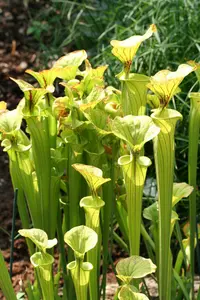
Sarracenia flava, commonly called the yellow pitcher plant, is a carnivorous perennial native to bogs and wetlands of the southeastern United States. It forms upright, tubular leaves that trap insects, usually bright yellow-green with variable red veining.
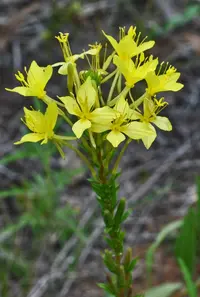
In suitable conditions, it grows in clumps and produces distinctive, nodding yellow flowers in spring before or with the new pitchers. Its need for consistently wet, low-nutrient, acidic substrate and pure water makes it more specialized than typical houseplants.
Understanding how to care for Sarracenia flava starts with providing very bright light, wet conditions, and nutrient-poor, peat-based soil that mimics its natural habitat.

Care Difficulty
Moderate Care

Light Preference
Full Sun

Water Requirements
Aquatic

Temperature Preference
Cold Hardy

Hardiness Zone
6–9

Soil Texture
Sandy, Peaty, Organic-rich

Soil pH
Strongly acidic (4.5–5.5)

Soil Drainage
Waterlogged tolerant

Fertilization
Minimal (feed rarely)
Scan your plant to receive care tips personalized for your specific plant
Available on iOS and Android
This carnivorous bog plant requires strong, direct light to form sturdy, colorful pitchers.
This species naturally grows in waterlogged bogs and needs consistently wet, mineral-free conditions.
This temperate carnivorous plant needs warm summers and a cool winter dormancy to stay healthy long term.
This species prefers consistently moist air but usually adapts to typical household humidity if roots stay wet.
This carnivorous species needs acidic, nutrient-poor, permanently moist soil with high aeration.
This species is well suited to container culture outdoors when moisture and stability are controlled.
This carnivorous species gains most nutrients from prey, so Sarracenia flava generally does not require conventional fertilization in home culture.
Pruning focuses on removing old foliage to keep the plant healthy and encourage strong new pitchers.
Container-grown plants benefit from occasional repotting to refresh the acidic, nutrient-poor medium they require.
This species is most commonly propagated by rhizome division, with seed raising used mainly by experienced growers or breeders.
This species is cold hardy in much of its native range but still benefits from thoughtful winter management, especially in containers or colder climates.

Plant Health Check
Not sure what's wrong with your plant? Check your plant's health inside the app.
This species produces some of the tallest tubular traps in the genus, with bright yellow-green pitchers that can exceed 90 cm in optimal wild conditions in the southeastern United States.
Its largest and most active pitchers emerge in spring, timed with peaks in flying insect populations, which helps the plant capture enough prey to fuel growth before summer heat stress and dormancy.
The pitchers and flowers release a sweet, sometimes musky scent that attracts insects, which then lose footing on the waxy, downward-pointing hairs near the pitcher rim and slide into the digestive fluid at the base.

This species shows striking regional variation in pitcher pigmentation and venation patterns, and several of its naturally occurring color forms, such as the heavily veined 'rugelii' type with a deep red throat blotch, are key reference points for field botanists when identifying and mapping wild populations in the southeastern coastal plain.
Brown leaf tips or edges usually come from minerals in tap water, fertilizer use, or old age of pitchers. Use rain, distilled, or reverse-osmosis water and remove spent, fully brown pitchers to keep the plant tidy.
Keep your plants happy and healthy with plant identification, disease detection, and easy care guidance.