White pitcher plant Care (Sarracenia leucophylla)

Also known as: white pitcher plant
White pitcher plant

About White pitcher plant

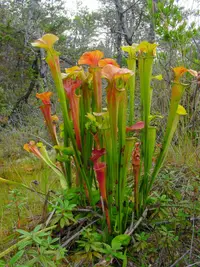
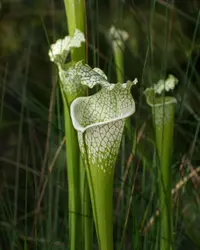
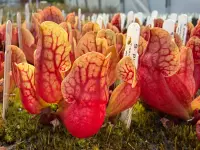
White pitcher plant (Sarracenia leucophylla) is a temperate, carnivorous bog plant known for its tall tubular leaves that trap insects. The pitchers are typically green to red with striking white, veined tops that let light in and lure prey.

This species is native to the Gulf Coast region of the southeastern United States, where it grows in sunny, wet, nutrient-poor wetlands. It relies on full sun, consistently damp conditions, and acidic, low-nutrient substrates, which can make care for White pitcher plant more specialized than typical houseplants.

When these needs are met, Sarracenia leucophylla forms impressive clumps and produces showy, nodding flowers in spring, followed by a strong flush of new pitchers later in the growing season.

Main Plant Requirements

Care Difficulty

Moderate Care

Light Preference

Full Sun

Water Requirements

Aquatic

Temperature Preference

Cool Climate

Hardiness Zone

7–9

Soil Texture

Sandy, Peaty, Organic-rich

Soil pH

Strongly acidic (4.5–5.5)

Soil Drainage

Waterlogged tolerant

Fertilization

Minimal (feed rarely)

Get Personalized Care Plan

Scan your plant to receive care tips personalized for your specific plant

Available on iOS and Android

How to Care for the White pitcher plant

This sun-loving carnivorous plant needs strong, direct light to form tall, well-colored pitchers.

  • Provide 6–10 hours of direct sun daily; full sun is ideal, especially from late morning to afternoon, for firm, colorful pitchers on White pitcher plant.
  • In very hot regions, give light afternoon shade or thin, filtered sun after 3–4 p.m. to reduce leaf scorching and rapid drying of boggy soil.
  • In spring and fall, maximize exposure by avoiding shade from buildings or trees; in summer, watch for bleaching or crispy spots as signs of excess intensity.

This bog species requires constantly wet conditions, not standard houseplant-style watering cycles.

  • Use rainwater, distilled, or reverse-osmosis water; keep the pot sitting in 2–5 cm of water during active growth so the peat-based mix stays saturated.
  • Do not let the soil surface dry; limp, floppy pitchers and shriveled growth tip indicate underwatering, while foul smell or black, soft rhizome suggests rot from stagnant conditions.
  • In winter dormancy, keep the soil moist but not flooded by reducing tray depth, and never allow the rhizome to freeze in solid ice for long periods.

This species likes warm summers but must experience a cool winter dormancy to stay healthy long term.

  • Aim for 70–85°F (21–29°C) in active growth; short heat spikes to 90–95°F (32–35°C) are tolerated if roots stay wet and the tray never dries.
  • During winter dormancy, maintain roughly 35–55°F (2–13°C); brief light frosts are tolerated, but protect from prolonged hard freezes below about 25°F (-4°C).
  • Avoid placing plants where hot, reflected heat from walls or pavement pushes temperatures above 95°F (35°C), as this can scorch pitchers and overheat the root zone of Sarracenia leucophylla.

This species prefers moderate to high humidity but adapts to many home and outdoor conditions.

  • Aim for 50–70% humidity during active growth for stable pitcher development.
  • Plants tolerate brief dips to 30–40% if roots stay constantly wet, but growth may slow.
  • Crisping pitcher edges or lid tips indicate air is too dry; group plants or use a nearby pebble tray to raise humidity.

Use a nutrient-poor, acidic, airy mix that stays wet but not stagnant.

  • Choose a mix of roughly 1:1 sphagnum peat moss and silica sand or perlite for loose, open structure.
  • Keep drainage free-flowing so water can move through, yet maintain a permanently moist to waterlogged root zone.
  • Target acidic conditions around pH 4.0–5.5 to match the natural bog habitat of Sarracenia leucophylla.
  • Avoid compost, fertilizer, regular potting mix, or hard tap water, which add minerals and salts that burn roots and pitchers.

This species is well suited to container growing when moisture and stability are managed carefully.

  • Select a deep pot at least 20–25 cm tall so long rhizomes and roots can spread downward without crowding.
  • Use a sturdy, heavier container to prevent tall, wind-exposed pitchers from tipping over outdoors.
  • Place the pot in a tray of rainwater or distilled water 2–5 cm deep to maintain constant saturation without flooding the crown.

This carnivorous species gains most nutrients from insects, so fertilization for White pitcher plant is minimal and very controlled.

  • Use only very dilute (1/4-strength) balanced liquid fertilizer (low urea) and apply to soil, never inside pitchers, if growth is weak.
  • Apply no more than 1–2 light feeds during the active growing season, then stop completely in dormancy.
  • Avoid composts or slow-release fertilizers, which burn roots adapted to nutrient-poor bog soils.
  • Rely mainly on natural insect capture or occasional prey additions rather than conventional plant feeding.

Pruning Sarracenia leucophylla focuses on removing old growth to maintain plant health and appearance.

  • Cut brown, dried, or damaged pitchers at the base with clean, sharp scissors or pruners, leaving green tissue intact.
  • Carry out main pruning in late winter to early spring before strong new growth starts.
  • Remove crowded, collapsing pitchers to improve light and air circulation around remaining leaves.
  • Disinfect tools before use to reduce the risk of spreading fungal or bacterial problems.

Repotting keeps this bog species vigorous in containers and prevents stagnation of the growing medium.

  • Plan to repot every 2–3 years in late winter or very early spring, when growth is slow but dormancy is ending.
  • Look for signs like roots circling the pot, crowded rhizomes, sour smell, or slowed growth as cues to repot.
  • Gently loosen the root ball, rinse off old mix, and reset rhizomes just at or slightly above the surface.
  • Use fresh, nutrient-poor medium such as 1:1 sphagnum peat and perlite, and water thoroughly with rain or distilled water afterward.

This species is commonly propagated by rhizome division, with seed used mainly for breeding and genetic diversity.

  • Divide mature clumps in late winter or early spring as plants exit dormancy and before rapid growth resumes.
  • Lift the rhizome, then separate sections each with healthy roots and at least 1–2 growth points.
  • Replant divisions into fresh carnivorous plant mix, keep evenly moist with low-mineral water, and provide bright light.
  • For seed, use fresh seed, provide several weeks of cold, moist stratification, then germinate on peat under high light.

This temperate carnivorous plant needs a cool dormancy, but severe freezing can still damage tissues, especially in containers.

  • In-ground plants tolerate light frosts but benefit from a 5–8 cm mulch around the root zone in colder climates.
  • For container plants in areas below about 20°F, move pots to an unheated garage, cold frame, or sheltered porch.
  • Allow winter temperatures to stay cool (32–50°F) to maintain dormancy, while keeping the soil consistently damp, not waterlogged.

Care Tips

Dormancy protection

In winter dormancy, keep outdoor pots in a cold frame or against a north-facing wall to stay cold but shielded from harsh wind and freeze–thaw cycles that can crack rhizomes.

Rainwater harvesting

Set up a dedicated rainwater bucket or barrel and store it in opaque containers to prevent algae, so you always have low-mineral water ready for tray refills during dry periods.

Division timing

Divide the rhizomes only in late winter to very early spring, just before new growth starts, and always keep at least 2–3 healthy growth points per division to maintain strong recovery.

Insect feeding management

Position the plant outdoors during the growing season where flying insects are naturally present, and avoid hand-feeding with large prey or meat to prevent pitcher rot and foul odors.

Container selection

Use tall, light-colored plastic pots with drainage holes and a deep saucer so roots stay cool and consistently moist, which supports long-term success when growing White pitcher plant.

Common Pests and Diseases

Pitcher aphids

This pest clusters on young pitchers, flower stalks, and growth points, sucking sap and causing distortion, yellowing, and sticky honeydew that can lead to sooty mold.

Solution

Rinse pitchers and crowns thoroughly with a strong but controlled stream of water, then spot-treat remaining colonies with an insecticidal soap or ready-to-use neem oil, applied in the evening to avoid leaf burn. Repeat weekly until no new aphids appear and avoid using systemic insecticides, which can disrupt the plant’s prey-based nutrition and overall Sarracenia leucophylla care instructions.

Mealybugs

This pest forms white, cottony clusters in the crown, on rhizomes, and at pitcher bases, weakening plants and slowing new growth.

Solution

Isolate affected plants, then wipe or swab mealybugs off with cotton buds dipped in isopropyl alcohol, taking care not to soak the growing point. Follow with a thorough rinse and, if needed, 2–3 light applications of insecticidal soap at 7–10 day intervals, combined with careful inspection of the rhizome when repotting to remove hidden insects.

Gray mold (Botrytis)

This disease causes brown, water-soaked spots on pitchers that quickly turn into soft, collapsing tissue with a gray fuzzy mold, often in cool, damp, stagnant air conditions.

Solution

Remove and discard all affected pitchers and dead tissue, cutting back into healthy material and sterilizing tools between cuts. Improve air movement, reduce overcrowding, avoid wetting pitchers late in the day, and if needed apply a labeled fungicide suitable for ornamentals as a spot treatment rather than drenching the whole bog or tray.

Rhizome rot

Symptoms include sudden collapse of pitchers, foul odor, and browning or softening of the rhizome, typically triggered by high temperatures combined with stagnant, oxygen-poor water or contaminated media.

Solution

Unpot the plant, trim away all affected brown or mushy rhizome with sterilized tools, and dust cut surfaces with sulfur or a suitable fungicidal powder. Replant only firm, white rhizome sections in fresh, low-mineral medium (such as sphagnum peat with perlite), keep water clean and cool, and avoid fertilizing the soil to prevent further stress.

Spider mites

These insects are mainly a problem in hot, dry, indoor or greenhouse conditions, causing fine stippling, dulling of pitcher color, and fine webbing on the inside and outside of pitchers.

Solution

Increase humidity and gently hose down pitchers, focusing on the undersides and inner surfaces where safe, then apply insecticidal soap or horticultural oil labeled for mites, making sure to achieve thorough coverage. Repeat treatments every 5–7 days for several cycles and avoid placing the plant in very dry, stagnant air to reduce reinfestation risk.

Interesting Facts

White windowed pitchers

The upper parts of its pitchers have translucent white patches between green veins that act like skylights, confusing flying insects and guiding them deeper into the trap.

Late-season specialist

In its native Gulf Coast range, this species produces its largest and most numerous pitchers in late summer and fall, exploiting insect populations after many other pitcher plants have already peaked.

Fire-adapted bog native

It is naturally restricted to low-nutrient, longleaf pine savannas and wet prairies along the Gulf Coast, where periodic fire keeps shrubs from shading out its sun-demanding pitcher leaves.

Botan icon

Did you know?

This species often hosts a specialized food web inside its pitchers, with trapped insects decomposed by aquatic insect larvae and microbes, and the plant then absorbing the released nutrients from this miniature ecosystem.

FAQs about White pitcher plant

Brown edges usually result from minerals in tap water, low humidity, or old pitchers naturally aging. Use rain, distilled, or reverse-osmosis water, keep the soil evenly damp, maintain moderate humidity, and trim only fully dead pitchers.

Grow Healthy Plants with Botan Care

Keep your plants happy and healthy with plant identification, disease detection, and easy care guidance.

Botan plant care app — identify plants on mobile

Explore More Plants