Turkish Towel Care (Chondracanthus exasperatus)

Also known as: Turkish Towel Seaweed
Turkish Towel

About Turkish Towel

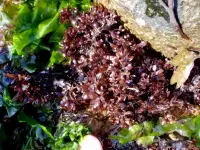
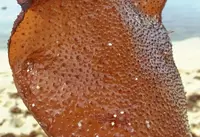
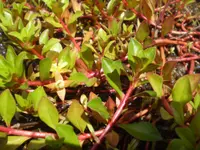
Turkish towel (Chondracanthus exasperatus) is a marine red alga found along the Pacific coast of North America, especially in cool, rocky intertidal zones. It forms thick, fleshy, ruffled blades that look and feel like a damp towel, often overlapping in dense, colorful mats.

This seaweed attaches firmly to rocks and is adapted to strong waves, changing tides, and regular drying and rewetting. It is generally hardy in its natural habitat but more demanding in aquariums, where stable water quality and strong water movement are important. Understanding how to care for Turkish Towel is useful for marine hobbyists who want to maintain it as part of a coldwater display or refugium.

Main Plant Requirements

Care Difficulty

Hard Care

Light Preference

Partial Shade

Water Requirements

Aquatic

Temperature Preference

Cool Climate

Hardiness Zone

Unknown

Soil Texture

Sandy, Rocky, Organic-rich

Soil pH

Slightly acidic (6.5–7.0)

Soil Drainage

Waterlogged tolerant

Fertilization

Minimal (feed rarely)

Get Personalized Care Plan

Scan your plant to receive care tips personalized for your specific plant

Available on iOS and Android

How to Care for the Turkish Towel

This red marine alga prefers bright, cool coastal light rather than intense, drying sun.

  • Provide 4–6 hours of bright, indirect light or gentle morning sun; avoid strong, direct midday sun that can bleach and dry fronds.
  • In the intertidal zone, Turkish Towel tolerates brief full sun when submerged or splashed, but desiccates quickly if stranded in hot, dry air.
  • Seasonally, light is weaker in winter, so stable exposure matters more than intensity; in summer, prioritize shade during 11 am–3 pm to limit heat stress.

This seaweed depends on constant seawater contact or frequent immersion rather than soil moisture control.

  • In nature, healthy fronds stay wet or submerged most of the time; prolonged exposure to dry air causes crisping, fading color, and brittle texture, which signal desiccation stress.
  • Overly stagnant or fresher-than-normal water, with a rotting smell or slimy film on Chondracanthus exasperatus, suggests poor water quality rather than a watering shortage.
  • For any experimental culture, allow strong water movement and rapid drainage, avoiding trapped, warm, still water that promotes decay and tissue breakdown.

This cool‑water Pacific seaweed thrives in moderate marine temperatures and deteriorates in heat or freezing conditions.

  • Optimal growth occurs around 50–59°F (10–15°C), matching cool coastal seawater; performance declines as temperatures move far above this range.
  • It tolerates short drops near 41°F (5°C) in winter water but is very sensitive to actual frost or ice exposure when fronds are stranded in air.
  • Sustained temperatures above 68°F (20°C), especially in shallow, still pools, increase stress, encouraging bleaching, softening tissue, and higher risk of decay.

This marine red alga prefers consistently moist, high-humidity air similar to its coastal habitat.

  • Aim for 60–80% humidity, as Turkish Towel comes from wave-splashed, foggy shore environments.
  • Crisping, dulling, or stiffening of fronds indicates air that is too dry or prolonged exposure to wind.
  • Increase humidity by misting with seawater, placing culture trays in covered tanks, or using humidifiers in marine culture rooms.

Chondracanthus exasperatus is not a terrestrial plant and does not require soil in the usual sense.

  • Cultivate it in clean, well-oxygenated seawater over inert substrates such as stones, shells, or plastic mesh rather than any soil-based medium.
  • Maintain slight water movement to keep fronds clean and prevent sediment from smothering holdfasts or blocking light penetration.
  • If using tanks, avoid organic-rich sediments that decompose and cause low oxygen or sudden changes in water chemistry.
  • In outdoor shore-simulating setups, use coarse sand or gravel only as a physical anchor, ensuring rapid drainage and no stagnant, muddy areas.

This species can be grown in containers such as marine aquaria or outdoor culture tanks when water movement and stability are managed carefully.

  • Choose wide, shallow tanks or trays that allow fronds to spread without piling, which reduces light and promotes localized decay.
  • Secure holdfasts to stable rocks or mesh so water flow moves fronds gently without dislodging them in high-circulation zones.
  • Use opaque or shaded sidewalls when outdoors to limit overheating and sudden light spikes near the container edges.

This marine red alga, known as Turkish Towel, generally needs no fertilization when growing in natural seawater or a well-managed marine system.

Pruning needs for Chondracanthus exasperatus are minimal and mainly hygiene focused in culture systems.

  • Inspect thalli during routine maintenance and remove decayed or discolored fronds to prevent rot and fouling.
  • Trim damaged or heavily fouled portions with clean scissors, making smooth cuts to reduce tissue stress.
  • Avoid heavy thinning, which can reduce biomass production and shade protection within cultivation tanks or ropes.

Transplanting Chondracanthus exasperatus concerns moving thalli between marine grow-out systems rather than traditional pots.

  • Transplant when growth slows, fronds crowd each other, or biomass exceeds the capacity of the rope, tank, or rack.
  • Choose mild, stable weather and calm water conditions to reduce physical stress on fronds.
  • Gently detach healthy thalli and secure them to new culture lines, nets, or containers without crushing tissue.
  • Keep salinity, temperature, and light similar between old and new sites to limit shock and support rapid recovery.

Propagation of Chondracanthus exasperatus in culture usually relies on vegetative fragments rather than seed-like spores for predictable results.

  • Select firm, healthy fronds and cut them into segments, each with intact midrib tissue.
  • Carry out cutting and attachment in late winter to spring when light and temperature favor new growth.
  • Secure segments to ropes, nets, or racks using soft ties or mesh sleeves to maintain good contact without damage.
  • Maintain stable salinity, moderate water movement, and adequate light to encourage attachment and sustained growth.

In native coastal habitats, this marine alga is naturally adapted to cool water and generally needs little targeted winter care.

  • In outdoor culture, monitor for extreme cold snaps, as prolonged freezing air exposure at low tide can damage fronds.
  • Position culture tanks or raceways where water temperature fluctuates slowly, avoiding sudden drops.
  • For small experimental setups, move containers to slightly sheltered, frost-free areas while maintaining natural seawater conditions.

Care Tips

Optimize Water Movement

Place fronds in areas of steady, gentle water movement rather than stagnant corners so surfaces stay clean, gas exchange remains efficient, and biofilm buildup is reduced.

Use Clean Mounting

Secure the alga to smooth, inert materials like clean rocks, glass, or food-grade plastic using soft ties or mesh, avoiding metals or treated wood that can leach harmful compounds into the water.

Control Fouling Organisms

Regularly inspect and gently remove filamentous algae, encrusting invertebrates, or heavy biofilm with a soft brush so fronds are not shaded or smothered and can maintain healthy growth.

Stabilize Salinity Levels

Top up evaporation losses with freshwater only and confirm salinity using a calibrated refractometer so sudden salinity shifts do not stress or damage tissues when growing Turkish Towel.

Seasonal Light Adjustment

In indoor culture systems, slightly shorten day length and reduce light intensity in cooler months to mimic natural seasonal patterns and lower metabolic stress on the thalli.

Common Pests and Diseases

Epiphytic bryozoans

This pest forms fine, branching colonies on the algal surface that can shade the blades and interfere with photosynthesis. Symptoms include rough, encrusted patches that do not match the natural texture of the seaweed.

Solution

Rinse harvested fronds in clean seawater and gently rub or brush the surface to detach colonies, focusing on the mid and distal parts of the blades. For cultivation, choose sites with moderate water movement and avoid areas with heavy fouling pressure, and selectively remove heavily colonized material from culture lines.

Encrusting diatoms

These microorganisms create brown to golden biofilms on blade surfaces, reducing light penetration and gas exchange. Symptoms include a dull, matte appearance and slippery film on the thallus.

Solution

For farmed material, regularly lift and swish lines or baskets in moving seawater to physically dislodge the film. Harvest before heavy fouling builds up, and avoid nutrient-rich, low-flow sites that promote diatom overgrowth when planning how to take care of Turkish Towel in culture systems.

Filamentous green algal fouling

These algae overgrow the fronds with fine, hairlike filaments that trap sediments and reduce photosynthetic efficiency. Symptoms include a fuzzy coating and additional drag on the blades in moving water.

Solution

Manually strip or shake off filaments in clean seawater during handling or grading, and trim severely overgrown portions. In cultivation, select sites with cooler, well-flushed water and adjust stocking density so fronds receive adequate water movement, which limits filament attachment and growth.

Surface bacterial biofilms

This disease involves dense bacterial growth on the thallus surface, sometimes leading to localized tissue softening and discoloration. Symptoms include slimy patches and areas that break down more quickly after harvest.

Solution

Harvest into clean containers, rinse fronds promptly in cool, clean seawater, and avoid leaving biomass in warm, stagnant conditions that favor bacterial proliferation. In culture, maintain good water exchange, reduce organic waste accumulation around lines, and cull deteriorating tissue to slow spread on remaining plants.

Interesting Facts

Sandpaper-like blade surface

The upper surface of this red alga feels rough and rasp-like because its cells form tiny protrusions that increase friction, which helps the blades resist being dislodged by waves and reduce grazing by some herbivores.

Specialist snail habitat

Along the Pacific coast of North America, this species is a primary host for the lined chink snail, Lacuna marmorata, whose egg capsules and young snails are commonly found attached to its fronds in tidepools and low intertidal zones.

Intertidal wave adaptation

It often grows in dense, low mats in mid- to low-intertidal zones exposed to strong surf, and its tough, cartilaginous blades flex rather than tear, allowing it to persist where many more delicate seaweeds cannot.

Botan icon

Did you know?

This species is one of several North Pacific red algae that have been investigated as a potential biofilter in integrated aquaculture systems, where its fast growth and nutrient uptake can help remove dissolved nitrogen produced by farmed fish or shellfish.

FAQs about Turkish Towel

This red seaweed is edible and traditionally harvested for food. It can be eaten raw, cooked, or dried, and is often used in salads, soups, or as a textural garnish in coastal cuisines.

Grow Healthy Plants with Botan Care

Keep your plants happy and healthy with plant identification, disease detection, and easy care guidance.

Botan plant care app — identify plants on mobile

Explore More Plants