Pennywort Care (Centella asiatica)

Also known as: spadeleaf, Centella, Asiatic pennywort, Indian pennywort, coinleaf, Asian Pennywort, Bubbles, Ibdiab Pennywort, Little Pig's Ears, Marsh Pepperwort, Urban Marsh Pepperwort, pennywort
Pennywort

About Pennywort

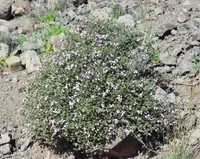
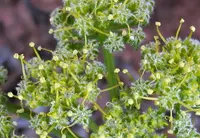
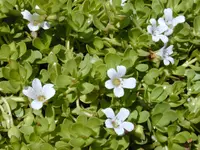
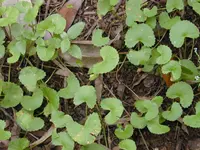
Pennywort, also known as Centella asiatica or gotu kola, is a low-growing, herbaceous plant that spreads by creeping stems. It forms small, rounded leaves on slender stalks, creating a soft, mat-like groundcover in moist conditions.

This species is native to wetlands and humid areas in parts of Asia and tropical regions, where it thrives in consistently damp soils. It prefers bright, filtered light and evenly moist, rich substrate, which makes indoor culture easier if watering is monitored.

Growth is generally fast under the right conditions, but the plant can decline if allowed to dry out or sit in stagnant water. Understanding how to care for Pennywort starts with maintaining stable moisture and gentle light.

Main Plant Requirements

Care Difficulty

Moderate Care

Light Preference

Partial Shade

Water Requirements

Keep Soil Moist

Temperature Preference

Warm Climate

Hardiness Zone

7–11

Soil Texture

Loamy, Silty, Organic-rich

Soil pH

Acidic (5.5–6.5), Slightly acidic (6.5–7.0)

Soil Drainage

Waterlogged tolerant

Fertilization

Light (every 4–6 weeks)

Get Personalized Care Plan

Scan your plant to receive care tips personalized for your specific plant

Available on iOS and Android

How to Care for the Pennywort

Centella asiatica prefers bright, gentle light that mimics its natural, moist groundcover habitat.

  • Provide 3–5 hours of soft morning sun with light or dappled shade the rest of the day, especially in warm climates.
  • Allow partial shade; in hot summers, protect from strong midday and afternoon sun to prevent leaf scorch and dry, crispy edges.
  • In cooler seasons, Pennywort can handle more direct sun; move or plant where low winter sun reaches the foliage for compact, dense growth.

This plant is moisture loving and grows best in consistently damp, not stagnant, conditions.

  • Keep soil evenly moist; in active growth, water whenever the top 1–2 cm feels just barely dry, avoiding complete drying of the root zone.
  • Use soil or a planting site that holds moisture but still drains slowly, so water does not pool for more than a few hours and roots stay oxygenated.
  • Reduce watering slightly in cooler months while preventing full dryness; wilting or thinning leaves signal underwatering, while yellow, mushy stems suggest excess moisture.

This species prefers mild, frost-free conditions similar to a warm, humid understory.

  • Aim for 65–80°F (18–27°C) for steady growth; plants spread fastest and leaf size is largest in this range.
  • Protect from frost; growth slows below 50°F (10°C) and foliage can be damaged or killed around 32°F (0°C), though roots may resprout if soil does not freeze deeply.
  • In heat above 86°F (30°C), provide more shade and ample moisture; hot, dry winds can cause leaf scorch and stunted runners.

Centella asiatica prefers moderately moist air but adapts well to typical indoor humidity.

  • Aim for 40–60% humidity to reduce leaf-edge browning and keep growth steady when caring for Pennywort.
  • It tolerates slightly drier air if soil moisture is consistent, but prolonged very dry conditions may cause curling or crisp tips.
  • Increase humidity by grouping plants, placing the pot on a pebble tray with water below the pot base, or running a small nearby humidifier.

Centella asiatica thrives in consistently moist, loose, organic-rich soil.

  • Use a loamy mix with high organic matter, such as 2 parts peat or coco coir, 1 part compost, and 1 part perlite or coarse sand for structure.
  • Soil should drain freely yet retain moisture, so aim for a mix that feels soft and crumbly, never sticky or compacted.
  • A slightly acidic to neutral pH (6.0–7.0) supports healthy root growth and nutrient uptake for this species.
  • Avoid heavy clay, waterlogged conditions, or very sandy mixes that dry out too fast and restrict fine root development.

Centella asiatica grows very well in containers when moisture and spread are managed carefully.

  • Choose a wide, shallow pot that allows horizontal stolon spread while keeping soil depth moderate to reduce soggy lower layers.
  • Select a moisture-retentive material like glazed ceramic or plastic if the plant sits in a warm, drying location outdoors.
  • Place the container where it cannot tip, since the spreading foliage can become lopsided and pull on lightweight pots.

Centella asiatica responds well to light, consistent feeding during its active growth phase.

  • Use a balanced liquid fertilizer (for example 10-10-10) at 1/4–1/2 strength every 2–4 weeks in spring and summer.
  • Alternatively, apply a thin layer of compost or a mild slow-release fertilizer at the start of the growing season.
  • Pause feeding or reduce to monthly at very weak strength in fall and winter when growth slows.
  • In containers, flush the soil with plain water occasionally to limit salt buildup, which can burn Pennywort roots.

Centella asiatica benefits from light pruning to maintain a low, healthy, and tidy mat of foliage.

  • Trim in spring and midsummer, when plants are actively growing and recover quickly.
  • Remove yellowing, dead, damaged, or pest-infested leaves with clean, sharp scissors or small snips.
  • Thin crowded runners to improve air flow, reduce disease risk, and control spread in beds or containers.
  • Shaping the edges of patches or pots keeps growth compact and encourages fresh, vigorous leaves.

This species adapts well to both containers and ground planting when moved with minimal root disturbance.

  • Check for roots circling the pot drainage holes, soil drying very fast, or slowed growth as signs it needs a larger container.
  • Plan to repot or transplant every 1–2 years in spring, when Centella asiatica resumes active growth.
  • Lift the plant gently, keep the root ball mostly intact, and tease apart only tightly bound roots to reduce stress.
  • Replant at the same soil level in moist, well-drained substrate, then water thoroughly and shade lightly for a few days.

Centella asiatica is commonly multiplied by division and by using its natural runners.

  • Divide mature clumps in spring, separating rooted sections with several leaves and replanting immediately.
  • Pin down creeping stems so that nodes root in moist soil, then cut and move the new plantlet once established.
  • Sow fresh seed on the surface of fine, moist mix in warm conditions (68–75°F) with bright, indirect light.
  • Keep propagation containers evenly moist but not waterlogged to support rapid root development.

Centella asiatica has moderate cold tolerance but benefits from simple winter precautions in cooler climates.

  • In USDA zones 7–8, a light mulch layer (2–5 cm) helps insulate the root zone from freeze–thaw cycles.
  • Expect top growth to die back in frosty regions while roots survive and resprout in spring.
  • Move container plants indoors or into a cool, bright, frost-free space when temperatures approach freezing.
  • Reduce watering in winter so soil stays slightly moist, not saturated, to prevent root rot in dormant plants.

Care Tips

Harvesting strategy

Clip only the outer, older leaves and petioles every 1–2 weeks, rotating harvest areas so the crown and youngest leaves stay intact and the plant keeps producing steadily.

Low-edge containment

Grow this creeping plant in a shallow tray or a pot set inside a larger cachepot with a 2–3 cm smooth rim, which gently redirects runners back into the container instead of letting them root into nearby pots or soil.

Runner management

Pin down vigorous stolons with small U-shaped wire pins where you want new plants to root, and remove or trim unwanted runners before they anchor and become difficult to thin.

Clean edible foliage

If leaves are intended for consumption, avoid foliar pesticides, rinse foliage gently with clean water every few weeks, and harvest only fully healthy, unspotted leaves.

Seasonal light shifts

In hot climates, move containers to afternoon shade in summer, then back toward brighter exposure in cooler seasons to keep growth compact and reduce stress while growing Pennywort.

Common Pests and Diseases

Leaf spot

This disease causes small water-soaked spots on leaves that turn brown and may develop yellow halos, often spreading quickly in warm, humid conditions.

Solution

Remove and discard affected leaves, avoid overhead watering, and keep foliage as dry as possible by watering at the soil level; improve airflow around the plant and, if spread continues, use a copper-based or other labeled fungicide suitable for edible herbs, following the product instructions carefully as part of Centella asiatica plant care.

Cercospora blight

This disease produces numerous small, dark brown to gray lesions on older leaves, which can merge and cause extensive blighting and early leaf drop.

Solution

Promptly prune and dispose of heavily spotted leaves, avoid splashing water on foliage, thin crowded growth to increase airflow, and if infection is severe, apply a fungicide labeled for Cercospora on culinary herbs, rotating products to reduce resistance risk.

Aphids

These insects cluster on young stems and leaf undersides, sucking sap and causing curling, distortion, and sticky honeydew that can attract sooty mold.

Solution

Rinse colonies off with a strong but controlled stream of water, then treat remaining insects with insecticidal soap or neem oil, repeating every 5–7 days until populations are controlled and checking nearby plants to prevent re-infestation.

Spider mites

This pest thrives in hot, dry conditions and causes fine speckling, dull leaves, and delicate webbing on stems and leaf undersides.

Solution

Increase humidity, hose down plants to physically remove mites, and apply insecticidal soap or a horticultural oil to both sides of the leaves, repeating treatments and isolating badly affected containers to limit spread.

Leaf miner

These insects create winding, pale tunnels within the leaves, which reduces the photosynthetic area and makes foliage unattractive and less usable as a culinary herb.

Solution

Remove and discard mined leaves as soon as tunnels appear, avoid composting heavily infested material, encourage natural predators such as parasitic wasps outdoors, and, if damage is persistent, use a systemic or contact product specifically labeled for leaf miners on edible plants, observing all harvest intervals.

Interesting Facts

Aquatic creeping habit

This species spreads using long, slender stolons that root at the nodes, allowing it to form dense mats along the edges of ponds, rice paddies, and other wet habitats in tropical and subtropical regions.

Pentacyclic triterpenes

The plant naturally produces compounds such as asiaticoside and madecassoside, pentacyclic triterpene saponins that have been widely studied in pharmacology for their roles in wound healing processes and collagen synthesis in laboratory and clinical settings.

Widespread tropical distribution

Although often associated with South and Southeast Asia, this species occurs naturally or has been long naturalized across large parts of Africa, Australasia, and the Americas wherever warm, damp conditions are present.

Botan icon

Did you know?

In several Asian countries, including Sri Lanka and parts of India and Southeast Asia, this plant has a long history as a traditional leafy vegetable and is still commonly consumed fresh in salads, sambols, and herbal drinks, making it one of the few medicinal herbs that also functions as a regular food crop in local cuisines.

FAQs about Pennywort

Yellow leaves usually come from low light, nutrient deficiency, or waterlogging that reduces root oxygen. Check for soggy soil, compacted substrate, or very old leaves naturally aging, and adjust watering and feeding before assuming disease.

Grow Healthy Plants with Botan Care

Keep your plants happy and healthy with plant identification, disease detection, and easy care guidance.


Botan plant care app — identify plants on mobile

Explore More Plants