woollyfruit desertparsley Care (Lomatium dasycarpum)

woollyfruit desertparsley

About woollyfruit desertparsley

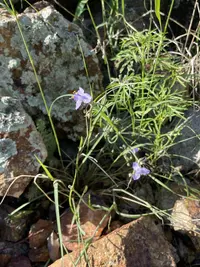
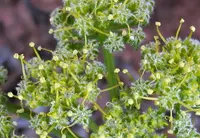
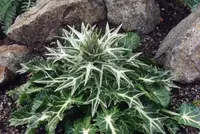
Woollyfruit desertparsley (Lomatium dasycarpum) is a small, perennial herb in the carrot family, native to dry, open habitats in western North America. It often grows in rocky grasslands and light woodlands. The plant forms low clumps of finely divided, fern-like foliage and sends up slender stems topped with small yellowish flower clusters. Its woolly-textured fruits give the species its common name. This species is adapted to poor, well-drained soils and seasonal drought, which can make it relatively low-maintenance once established. Understanding how to care for woollyfruit desertparsley starts with providing sunny, open conditions and avoiding consistently wet soil.

Main Plant Requirements

Care Difficulty

Moderate Care

Light Preference

Full Sun

Water Requirements

Low Water

Temperature Preference

Cold Hardy

Hardiness Zone

5–9

Soil Texture

Sandy, Loamy, Rocky

Soil pH

Slightly acidic (6.5–7.0), Neutral (7.0)

Soil Drainage

Well-drained

Fertilization

Minimal (feed rarely)

Get Personalized Care Plan

Scan your plant to receive care tips personalized for your specific plant

Available on iOS and Android

How to Care for the woollyfruit desertparsley

This western North American native thrives in open, bright sites with strong sun exposure.

  • Provide 6–10 hours of direct sun daily; full sun suits woollyfruit desertparsley best in its natural, dry habitats.
  • Allow light afternoon shade in very hot inland areas to reduce leaf scorch, especially on shallow or rocky soils.
  • Avoid dense shade, which leads to weak, elongated growth and poor flowering; choose south- or west-facing slopes or open meadows for best performance.

This species is adapted to dry, well-drained habitats and is prone to root problems in wet soils.

  • Water newly planted Lomatium dasycarpum only when the top 3–5 cm of soil is completely dry, then soak and let drain fully.
  • Once established, rely mostly on natural rainfall; in drought, water deeply every 2–4 weeks, then allow soil to dry out again.
  • Watch for yellowing, limp foliage or a sour soil smell as signs of overwatering, and crisp, browning leaf tips as signs of prolonged drought stress.

This perennial tolerates a wide range of outdoor temperatures but prefers cool to warm conditions during active growth.

  • Optimal growth occurs around 50–75°F (10–24°C) in spring, when soil is moist and air temperatures are moderate.
  • Dormant plants can survive brief drops near 10°F (-12°C) in well-drained soils, but young plants benefit from protection from hard, exposed freezes.
  • The species handles dry summer heat to about 90–95°F (32–35°C) if soil is not wet; extended, hot, humid conditions increase risk of root rot.

Humidity is rarely a limiting factor for woollyfruit desertparsley, which is adapted to dry, open habitats.

Lomatium dasycarpum prefers lean, mineral soils that stay dry to slightly moist and never waterlogged.

  • Use sandy or gravelly loam with 30–60% coarse sand or small grit to mimic native rocky slopes.
  • Ensure very rapid drainage; raised beds or mounded planting areas help excess water move away from the root zone.
  • Keep soil low in organic matter, adding only a light dusting of compost if native soil is extremely poor in structure.
  • Aim for slightly acidic to slightly alkaline conditions, around pH 6.0–7.8, and avoid compacted or clay-heavy sites.

This species can be grown in containers, but long-term success is easier in deep, fast-draining outdoor pots.

  • Choose a tall, narrow container at least 25–30 cm deep to accommodate its taproot without bending.
  • Fill the pot with a very gritty mix, such as 50% coarse sand or pumice blended into standard cactus mix, to prevent water retention near the crown.
  • Place the container in a spot where wind cannot topple the pot, as the plant’s foliage can act like a sail in exposed sites.

This western native woollyfruit desertparsley is adapted to lean soils and usually needs no fertilizer in the ground.

Lomatium dasycarpum needs almost no pruning, since it is a small, naturally tidy perennial.

This deep-rooted taproot perennial is best sown or planted directly in its final outdoor position rather than shifted often.

  • Transplant in late fall or very early spring while dormant, before new growth starts.
  • Move only young plants; older specimens resent disturbance and may fail to reestablish.
  • Choose a sunny, well-drained site with gritty or sandy soil and avoid future traffic in the root zone.
  • Dig deep, keep as much root and surrounding soil intact as possible, and water lightly after planting.

Lomatium dasycarpum is most reliably increased from seed rather than division or cuttings.

  • Collect seed when dry and brown, then sow fresh in late summer to early fall for natural cold stratification.
  • Use a deep tray or pot with very well-drained, sandy mix to accommodate the developing taproot.
  • Expose containers to outdoor winter conditions; alternating cold and moisture breaks seed dormancy.
  • Keep moist but never waterlogged; seedlings resent disturbance, so transplant only when small and dormant.

This species is cold hardy in much of its native range and usually needs no special winter care in the ground.

Care Tips

Mimic native drainage

When planting in the ground, place the root ball on a slight mound or in a shallow berm with very gritty backfill so seasonal rains shed away from the crown, which greatly reduces rot in this species.

Seed pre-treatment

For more reliable germination, mix seeds with slightly moist sand in a labeled plastic bag and cold stratify at 35–40°F for 8–12 weeks before sowing outdoors in late winter or early spring.

Minimal root disturbance

Use deep cell trays or tall pots and transplant only once at the small rosette stage, handling the plug gently, because this plant forms a taproot that resents being bent or broken.

Dry-summer mulching

In regions with summer irrigation nearby, place a thin, coarse gravel mulch around but not touching the crown to keep neighboring water and organic mulch from creeping in and overwatering the plant.

Conservation-minded seed saving

Collect only a portion of mature, dry fruits from robust wild or garden plants and leave the rest to natural reseeding, which maintains genetic diversity while still providing seed for growing woollyfruit desertparsley in new spots.

Common Pests and Diseases

Leaf spot fungus

This disease causes small brown to dark purple spots on leaves and stems that may merge into larger lesions under cool, moist spring conditions.

Solution

Remove and discard heavily spotted leaves to reduce spore load, avoid overhead watering, and ensure plants grow in an open, well-drained site with good airflow. If wet spring weather is persistent and plants are in a restoration or conservation setting, a sulfur or copper-based fungicide can be used according to label directions, applied early in the season when new growth emerges.

Powdery mildew

This disease produces a white to gray powdery film on foliage, which can distort new leaves and reduce vigor, especially in sheltered or partially shaded sites.

Solution

Improve air circulation by spacing plants well and reducing surrounding dense vegetation, and avoid overhead irrigation late in the day. In recurrent problem areas, use preventive applications of a labeled sulfur or potassium bicarbonate product early in the season, and remove the most heavily infected foliage to slow spread.

Aphids

These insects cluster on young stems, flower stalks, and leaf undersides, sucking sap and leaving sticky honeydew that can attract sooty mold.

Solution

Dislodge colonies with a strong stream of water and encourage natural predators such as lady beetles by avoiding broad-spectrum insecticides nearby. For persistent infestations on young plantings, use insecticidal soap or a horticultural oil, applied thoroughly to stems and leaf undersides according to label directions.

Leafhoppers

These insects feed by piercing and sucking on leaf tissue, causing pale stippling, leaf edge yellowing, and sometimes distorted new growth, particularly in open, dry sites favored by Lomatium dasycarpum.

Solution

Reduce grassy weeds and dense groundcover that shelter adults, and use a strong water spray to knock insects off plants when numbers are low. In restoration or seed-production plantings with heavy damage, apply a low-toxicity insecticide such as pyrethrin in the evening when pollinators are less active, treating only affected patches.

Rust

This disease produces small yellow to orange pustules on the undersides of leaves and sometimes on stems, which can cause early leaf drop in humid microclimates or unusually wet seasons.

Solution

Remove and destroy infected leaves at the first sign of pustules and avoid overhead watering to keep foliage dry. In high-value native plantings where rust recurs, a preventive fungicide labeled for rust on ornamental or native Apiaceae can be applied early in the growth season, rotating products to reduce resistance and following all label instructions as part of broader Lomatium dasycarpum care instructions.

Interesting Facts

Early-season pollinator resource

This species flowers very early in spring across its range in western North America, offering one of the first consistent nectar and pollen sources for native bees and early-flying insects in dry habitats.

Adapted to open grasslands

The plant is characteristic of open grasslands and rocky slopes in the Pacific states, where it tolerates high light, seasonal drought, and relatively nutrient-poor soils without forming dense, competitive stands.

Distinctive woolly fruits

Its small schizocarp fruits develop a noticeable woolly or hairy surface, a trait reflected in the common name woollyfruit desertparsley and used by botanists to help distinguish it from related Lomatium species.

FAQs about woollyfruit desertparsley

This species is a long-lived perennial. It resprouts each year from a deep taproot, even though the foliage dies back seasonally. Once established, it often persists for many years with minimal disturbance and suitable dry conditions.

Grow Healthy Plants with Botan Care

Keep your plants happy and healthy with plant identification, disease detection, and easy care guidance.

Botan plant care app — identify plants on mobile

Explore More Plants