Acanthus hirsutus Care

Acanthus hirsutus

About Acanthus hirsutus

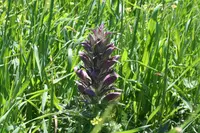
Acanthus hirsutus is a perennial herbaceous plant known for its bold, lobed leaves and upright flowering spikes. It forms clumps that gradually expand over time. Native to parts of the eastern Mediterranean, it typically grows in rocky or scrubby habitats with well-drained soils. The foliage often has a slightly rough or hairy texture, which helps reduce water loss in its natural environment. This species is generally sturdy but prefers conditions similar to dry, sunny slopes, so good drainage and moderate watering improve performance. Once established, it tolerates some drought, which makes it easier to care for Acanthus hirsutus in low-maintenance gardens.

Main Plant Requirements

Care Difficulty

Moderate Care

Light Preference

Partial Shade

Water Requirements

Moderate Water

Temperature Preference

Warm Climate

Hardiness Zone

7–10

Soil Texture

Loamy, Sandy, Organic-rich

Soil pH

Acidic (5.5–6.5), Slightly acidic (6.5–7.0)

Soil Drainage

Moist but well-drained

Fertilization

Minimal (feed rarely)

Get Personalized Care Plan

Scan your plant to receive care tips personalized for your specific plant

Available on iOS and Android

How to Care for the Acanthus hirsutus

This perennial prefers bright conditions with some protection from intense midday sun.

  • Provide 4–6 hours of direct morning sun with light or dappled shade in the afternoon for balanced growth of Acanthus hirsutus.
  • Tolerates partial shade, especially in hotter climates, but dense shade leads to weak, floppy stems and fewer flowers.
  • In hot summers, protect from harsh sun between 11 a.m. and 3 p.m. to prevent leaf scorch; in cooler climates, a more open, sunny spot is suitable.

This species prefers evenly moist, well-drained soil without prolonged drying or waterlogging.

  • Water when the top 3–5 cm of soil feel dry, soaking the root zone deeply and allowing excess to drain away.
  • In spring and summer, expect more frequent watering during active growth; in fall and winter, reduce frequency as growth slows and rainfall often increases.
  • Watch for wilting, crisp edges, and slow growth as signs of underwatering, and yellowing lower leaves or soggy soil as signs of overwatering for Acanthus hirsutus.

This hardy perennial tolerates a range of outdoor temperatures but grows best in mild conditions.

  • Optimal growth occurs around 60–75°F (16–24°C), with strong foliage and flowering during a mild spring and early summer.
  • Mature plants typically survive down to about 10–15°F (-12– -9°C) when established, though new growth and young plants are more vulnerable to frost damage.
  • In hot regions, plants handle short periods near 90°F (32°C) if soil moisture is consistent and roots are mulched; extended extreme heat can cause leaf scorch and stress.

This species tolerates typical outdoor humidity and does not need special moisture control in most climates.

This plant prefers loose, well-drained, moderately fertile soil for reliable growth.

  • Use a loamy mix with roughly equal parts garden soil, compost, and coarse sand to balance nutrients, structure, and drainage.
  • Aim for slightly acidic to neutral pH, around 6.0–7.0, avoiding strongly alkaline or saline conditions.
  • Improve aeration and prevent compaction by incorporating coarse sand or fine gravel, especially in heavier native soils.
  • Avoid waterlogged, clay-heavy sites or areas where runoff collects, as persistent saturation promotes root rot.

This species can be grown in containers if the pot supports its substantial root system and leafy top growth.

  • Choose a deep, heavy pot to anchor the plant and reduce tipping as tall flower spikes develop.
  • Select a container material such as terracotta if faster drying is needed, or glazed clay for slightly longer moisture retention in hot sites.
  • Raise the pot on feet or bricks so drainage holes stay clear and runoff leaves the root zone quickly after rain or watering.

Feeding supports vigorous foliage and flowering but Acanthus hirsutus is not a heavy feeder.

  • Use a balanced slow-release fertilizer (around 10-10-10 or similar) or a thin layer of compost in early spring.
  • Apply once at the start of the growing season; in rich soil, this is usually enough for the year.
  • If using liquid feed, dilute to 1/2 strength and apply monthly in spring–summer only.
  • Stop feeding in fall and winter to avoid forcing soft, frost-sensitive growth.

Pruning is mainly used to keep Acanthus hirsutus tidy and to support healthy flowering.

  • Cut back spent flower spikes after blooming to encourage a neater clump and reduce unwanted self-seeding.
  • Remove dead, damaged, or diseased leaves at the base whenever noticed, using clean, sharp pruners.
  • In late winter or early spring, shear back old, tatty foliage to make room for new shoots.
  • Avoid heavy reshaping; light thinning of crowded stems is enough to improve air flow and reduce fungal issues.

This species is usually grown in the ground; transplanting young Acanthus hirsutus plants carefully is more important than frequent repotting.

  • Transplant or shift containers in early spring or early fall, when temperatures are mild and soil is workable.
  • Look for roots circling the pot, water running straight through, or stalled growth as signs a container plant needs more space.
  • Move to a slightly larger container or planting hole, keeping the crown at the same soil level and roots spread, not crammed.
  • Water thoroughly after planting, then keep soil evenly moist for several weeks to reduce transplant shock and support new root growth.

Acanthus hirsutus can be propagated by division, root cuttings, or seed, depending on the grower’s goal.

  • Divide established clumps in early spring or early fall, replanting firm, healthy sections with several buds and roots.
  • Take root cuttings in late winter, planting 3–5 cm segments horizontally in a loose, moist, well-drained medium.
  • Sow fresh seed in trays with free-draining mix, just covered, and keep at 60–70°F with steady moisture for germination.
  • Label and space new plants carefully, as strong roots can spread; monitor young divisions until growth is well established.

This hardy perennial usually needs only modest winter care once established in suitable climates.

  • Acanthus hirsutus tolerates light to moderate frost but young plants benefit from extra protection in colder zones.
  • Apply a 5–8 cm layer of organic mulch around the root zone in late fall, keeping it slightly away from the crown.
  • Allow top growth to die back naturally, then remove collapsed foliage to reduce pests and fungal disease.
  • In very cold areas or exposed sites, grow in containers and overwinter in a cool, frost-free, bright place.

Care Tips

Spring division timing

Lift and divide clumps in early spring just as new shoots emerge, replanting divisions at the same depth to rejuvenate older plants and control spread when growing Acanthus hirsutus.

Root barrier control

Install a shovel-cut edge or a vertical root barrier 20–25 cm deep around beds to prevent unwanted rhizome creep into nearby perennials or lawn areas.

Slug and snail management

Place coarse grit, copper tape, or beer traps around young shoots in spring, as tender emerging foliage is highly attractive to slugs and snails and can be destroyed before it develops.

Flower stalk support

Stake tall flowering stems early with discreet canes and soft ties, setting supports before spikes reach full height to prevent wind damage and stem snapping.

Mulch for crown protection

Apply a 3–5 cm layer of loose, well-drained organic mulch around but not over the crown in late fall to buffer winter temperature swings and reduce frost heave of the root system.

Common Pests and Diseases

Powdery mildew

This disease produces white, powdery patches on leaves, often starting on older foliage in shaded or crowded plantings.

Solution

Remove and discard heavily infected leaves, avoid overhead watering, and increase spacing or airflow around clumps; if needed, apply a sulfur or potassium bicarbonate fungicide labeled for ornamentals, following label directions carefully as part of general Acanthus hirsutus care instructions.

Leaf spot

This disease causes brown to dark purple spots on leaves, sometimes with yellow halos and premature leaf drop in damp conditions.

Solution

Prune and dispose of affected foliage, keep leaves as dry as possible, and improve air movement; in persistent cases, use a copper-based or chlorothalonil fungicide on new growth according to label guidelines.

Snails and slugs

These pests chew irregular holes in the large leaves, often leaving slime trails and damage concentrated near soil level.

Solution

Hand-pick at night, use iron phosphate bait, and reduce hiding places such as dense mulch and debris; copper barriers or rough gravel around plants can also reduce feeding on young shoots when trying to grow Acanthus hirsutus.

Acanthus leaf miner

This pest creates pale, winding tunnels or blotches inside the leaves as the larvae feed within the leaf tissue.

Solution

Remove and destroy mined leaves as soon as damage is seen, encourage natural predators, and avoid excessive nitrogen fertilization; in severe infestations, a systemic insecticide labeled for leaf miners on ornamentals can be used early in the season.

Aphids

These insects cluster on tender stems and undersides of leaves, sucking sap and sometimes causing curling foliage and sticky honeydew that can lead to sooty mold.

Solution

Spray foliage with a strong stream of water to dislodge colonies, then use insecticidal soap or neem oil on undersides of leaves at 5–7 day intervals until populations are controlled, while also encouraging lady beetles and other beneficial insects.

Interesting Facts

Eastern Mediterranean native

This species is naturally distributed in parts of Turkey and nearby regions, where it grows on rocky slopes, woodland edges, and scrub, often in relatively dry, calcareous soils.

Distinctly hairy foliage

Unlike many other acanthus species, its leaves and stems are covered with noticeable hairs (trichomes), which are thought to help reduce water loss and provide some protection from herbivores and intense sun in its native habitats.

Adapted to seasonal drought

In its home range it experiences hot, dry summers and cooler, wetter winters, and often responds by slowing growth during the driest period while relying on its root system to survive until conditions improve, which is important to understand when growing Acanthus hirsutus in cultivation.

FAQs about Acanthus hirsutus

This species forms clumps and can slowly enlarge via short rhizomes and self-seeding, but it is not usually considered aggressive. Occasional removal of unwanted seedlings and dividing older clumps keeps it within bounds.

Grow Healthy Plants with Botan Care

Keep your plants happy and healthy with plant identification, disease detection, and easy care guidance.

Botan plant care app — identify plants on mobile

Explore More Plants