Cyrtochilum revolutum Care

Cyrtochilum revolutum

About Cyrtochilum revolutum

Cyrtochilum revolutum is an epiphytic orchid that typically grows on trees in cool to mild cloud forests of the Andes in South America. It forms slender, often climbing growths with narrow pseudobulbs and elongated flower spikes.

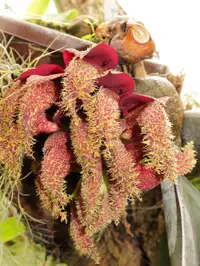
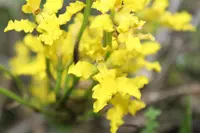
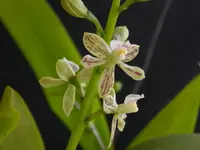
The flowers are usually intricate and showy, with twisted or curled segments that give the plant a delicate, decorative look. It prefers stable, cool to intermediate conditions with high air humidity and good air movement.

Due to its need for consistent moisture, cooler temperatures, and filtered light, it is considered a plant for growers who already have some orchid experience. Understanding how to care for Cyrtochilum revolutum usually makes cultivation more reliable, especially in controlled indoor or greenhouse setups.

Main Plant Requirements

Care Difficulty

Hard Care

Light Preference

Partial Shade

Water Requirements

Keep Soil Moist

Temperature Preference

Tropical / Frost Sensitive

Hardiness Zone

Unknown

Soil Texture

Organic-rich, Peaty, Loamy

Soil pH

Acidic (5.5–6.5)

Soil Drainage

Moist but well-drained

Fertilization

Moderate (every 2–4 weeks)

Get Personalized Care Plan

Scan your plant to receive care tips personalized for your specific plant

Available on iOS and Android

How to Care for the Cyrtochilum revolutum

This orchid prefers bright, gentle light similar to high-elevation forest conditions.

  • Provide bright, filtered light or light dappled shade, with 4–6 hours of indirect sun; morning sun is acceptable but avoid harsh midday and afternoon rays.
  • Outdoors, place where it receives broken light under trees or 30–50% shade cloth; direct sun can scorch leaves and bleach pseudobulbs.
  • In low light, growth weakens and flowering declines; increase light gradually at the end of winter to prepare Cyrtochilum revolutum for the stronger spring–summer season.

Watering should keep the roots lightly moist but never stagnant.

  • Allow the top 2–3 cm of the mix to approach dryness, then water thoroughly so excess drains away; roots should not sit in standing water.
  • During active growth, use this cycle whenever the mix dries to this level; in cooler months, let the mix dry slightly more between waterings to reduce rot risk.
  • Signs of overwatering include black, mushy roots and yellowing leaves; wrinkled pseudobulbs and limp leaves suggest underwatering and call for slightly more frequent soaking for Cyrtochilum revolutum.

This species prefers cool to intermediate, stable temperatures.

  • Aim for 55–75°F (13–24°C) for steady growth, with a slight drop at night to support healthy respiration and bud formation.
  • Short dips to 45°F (7°C) are usually tolerated if the plant is dry, but frost below 32°F (0°C) can damage leaves, roots, and pseudobulbs.
  • In hot weather above 80°F (27°C), increase shade, airflow, and humidity; prolonged heat over 90°F (32°C) stresses the plant and can cause bud blast and leaf scorch.

This cloud-forest orchid needs consistently high humidity to grow well indoors.

  • Aim for 60–80% humidity, using a humidifier or grouped plants in a small space to maintain levels.
  • Plant becomes wrinkled, leaf tips brown, and buds blast when air stays below about 50% humidity.
  • Use a pebble tray under (not touching) the pot and ensure gentle air movement to reduce fungal problems at high humidity.

This epiphytic orchid needs a loose, airy medium rather than conventional potting soil.

  • Use a coarse mix of medium orchid bark, perlite or pumice, and a little sphagnum moss to retain light moisture.
  • Ensure very rapid drainage so roots dry slightly between waterings, preventing suffocation and rot.
  • Keep pH mildly acidic, around 5.5–6.5, which supports nutrient uptake and root health.
  • Avoid dense peat-based or garden soils that compact, stay wet, and eliminate the air pockets orchid roots require.

This species is suitable for container culture when grown in slotted orchid pots or baskets.

  • Choose a tall, narrow pot or hanging basket that lets long roots run downward without coiling tightly at the base.
  • Use side-slotted or net pots so air can reach the root mass, mimicking its naturally exposed growth on trees.
  • Secure the pot in a heavy outer cachepot or stable hanger to prevent tipping from arching canes and flower spikes.

Light feeding supports steady growth and flowering for Cyrtochilum revolutum without overtaxing its roots.

  • Use a balanced orchid fertilizer (around 20-20-20) diluted to 1/4–1/2 strength in low-salt water.
  • Feed every 2–3 weeks during active growth, usually spring to early fall, when new roots and shoots appear.
  • Reduce to monthly or stop feeding in winter or any rest period, especially under low light and cooler temperatures.
  • Flush the pot with plain water every 3–4 feedings to prevent mineral buildup on roots and medium.

Pruning needs are light and focus on hygiene and encouraging fresh flowering growth on Cyrtochilum revolutum.

  • Time pruning for after flowering, removing spent flower spikes at the base with clean, sharp scissors or pruners.
  • Cut away dead, blackened, or shriveled pseudobulbs and leaves to reduce disease pressure and improve air circulation.
  • Thin crowded or crossing growths when dividing plants to maintain a manageable clump and better light penetration.
  • Always disinfect cutting tools between plants with alcohol or a bleach solution to limit spread of fungal or bacterial problems.

Repotting helps maintain a healthy root system and fresh, airy medium for this epiphytic orchid.

  • Check for roots circling the pot, growing far outside drainage holes, or medium that has broken down and stays soggy.
  • Plan to repot every 2–3 years, ideally in late winter to early spring as new root tips just start to emerge.
  • Gently remove old medium, trim dead roots, and shift into a slightly larger pot with fresh, coarse orchid mix for growing Cyrtochilum revolutum.
  • Keep the plant slightly drier and shaded for 1–2 weeks after repotting to reduce transplant shock and encourage new root attachment.

Propagation is usually done by careful division rather than seed, which is specialized and slow for this orchid.

  • Divide mature clumps in late winter or early spring when new growths begin, ensuring each division has at least 3–4 healthy pseudobulbs.
  • Use a sterile knife or pruners to separate sections, removing dead roots and soft, diseased tissue.
  • Pot divisions into fresh, well-drained orchid mix, positioning rhizomes at the surface and securing plants so they do not wobble.
  • Provide bright, indirect light, 65–75°F temperatures, and slightly higher humidity to support new root formation and establishment.

Cool to intermediate conditions suit this orchid, but it is not frost hardy and needs protection in cold climates.

  • Keep plants above 50°F, ideally 55–65°F in winter, avoiding sudden temperature drops and cold drafts around foliage.
  • Move container plants indoors or into a greenhouse before the first frost, providing bright, indirect light and good air movement.
  • Reduce watering slightly in cooler months so the medium becomes almost dry between waterings, while preventing complete desiccation.
  • Avoid placing plants against cold window glass; use benching or insulation under pots if growing in an unheated or marginal space.

Care Tips

Cool root management

Use a clay pot with a plastic inner liner or double-pot setup to keep roots cooler and more stable in temperature, which supports this high-elevation orchid’s preference for cool to intermediate conditions.

Mounted culture option

For strong growers in humid spaces, mount the plant on cork or tree fern with a thin pad of sphagnum and mist frequently, which improves air movement around roots and reduces the risk of chronic overwatering.

Sturdy stake support

Install tall, rigid stakes as soon as new spikes reach 10–15 cm and secure them with soft clips or ties every 5–8 cm to prevent fragile, zigzagging inflorescences from kinking or snapping under their own weight.

Air movement tuning

Run a small fan on low near, but not directly at, the plant to keep leaves just gently moving, which helps prevent fungal spotting on the relatively thin foliage and pseudobulbs.

Seasonal rest adjustment

In late winter to early spring, slightly extend the interval between waterings while keeping humidity high, mimicking the drier season in its native habitat and supporting healthier new growth when regular watering resumes, which is important when growing Cyrtochilum revolutum in indoor conditions.

Common Pests and Diseases

Brown soft scale

This pest forms rounded, brown, shell-like bumps on pseudobulbs and undersides of leaves, often accompanied by sticky honeydew and sooty mold. Symptoms include slowed growth and yellowing or shriveling of bulbs due to sap loss.

Solution

Isolate the plant, then manually remove visible scales with a cotton swab dipped in isopropyl alcohol, taking care around the narrow pseudobulbs and leaf bases. Rinse foliage with lukewarm water, increase air movement, and repeat spot treatments weekly; for heavy infestations on a collection, use a systemic insecticide labeled for orchids and follow label directions closely.

Spider mites

These insects thrive in the relatively dry indoor air that often stresses cloud-forest orchids, causing pale stippling, dull leaves, and fine webbing along leaf edges and undersides. This pest can quickly damage thin Cyrtochilum foliage if not controlled early.

Solution

Increase humidity to around 60–70% while maintaining good airflow, then hose or shower the plant to physically remove mites from both sides of the leaves. Follow with repeated applications of an acaricidal soap or horticultural oil labeled for orchids every 5–7 days until no new damage appears, and avoid letting the plant dry out excessively between waterings.

Bacterial brown spot

This disease starts as small, water-soaked, translucent patches on leaves that rapidly turn brown to black with a soft, sunken texture. Symptoms include a foul smell and spreading lesions, often beginning near leaf tips or wounds in humid, stagnant conditions.

Solution

Promptly remove and discard affected leaf areas with a sterile blade, cutting back into healthy tissue and disinfecting tools between cuts. Keep foliage dry, improve air circulation, reduce overhead misting, and consider a bactericide labeled for orchids if new spots continue to appear, while also avoiding overcrowding in the growing area when caring for Cyrtochilum revolutum.

Leaf tip blight

This disease causes progressive browning and dieback from the very tips of the long, narrow leaves, sometimes with a distinct dark margin between healthy and dead tissue. Symptoms include gradual shortening of leaves and a ragged appearance, often triggered by high salts, poor air movement, and chronic leaf wetness.

Solution

Trim off affected tips into healthy tissue using sterile scissors, then flush the pot thoroughly with clean, low-mineral water to reduce fertilizer salt buildup. Improve airflow, avoid letting water stand on leaf tips, slightly reduce fertilizer strength, and use a preventative fungicide labeled for orchids if new blighted tips continue to develop under otherwise correct cultural conditions.

Fusarium wilt

This disease invades the vascular tissue of pseudobulbs and rhizomes, leading to chronic shriveling, poor new growth, and a characteristic purple ring visible in cut rhizomes. Symptoms include stunted or distorted new shoots and persistent decline despite apparently adequate watering and light.

Solution

Remove and discard any affected pseudobulbs and rhizome sections, cutting back to clean, white tissue and sterilizing cutting tools between each cut. Repot into fresh, well-drained medium, avoid reusing contaminated pots, maintain strong but indirect light and good airflow, and do not overwater; severely affected plants are often best discarded to protect nearby orchids.

Interesting Facts

High-elevation cloud orchid

This species is native to high Andean cloud forests, where it grows as an epiphyte on trees in cool, very humid, and often mist-covered habitats, typically above 2,000 m elevation.

Distinctly revolute segments

The epithet revolutum refers to the characteristically rolled or curved floral segments, a stable morphological trait that helps distinguish it from closely related Cyrtochilum species in the field and in herbarium material.

Specialized pollination niche

Like many Cyrtochilum orchids, this species produces intricate, often yellow-brown patterned flowers that are thought to target specific insect pollinators, using visual patterning and floral architecture rather than strong scent to guide them to the reproductive structures.

FAQs about Cyrtochilum revolutum

Lack of flowering often results from insufficient light intensity, inadequate day–night temperature drop, or nutrient imbalance. Mature pseudobulbs usually must complete a full growth cycle. Avoid frequent repotting, which can delay spikes for a season or more.

Grow Healthy Plants with Botan Care

Keep your plants happy and healthy with plant identification, disease detection, and easy care guidance.

Botan plant care app — identify plants on mobile

Explore More Plants