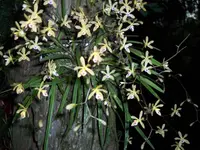
Thatch Palmetto Care (Sabal yapa)

Thatch Palmetto

About Thatch Palmetto

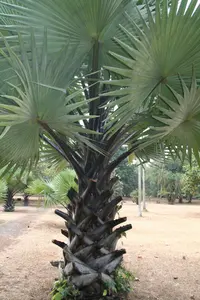
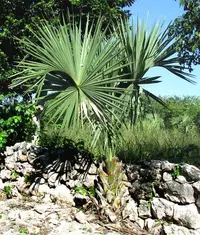
Thatch palmetto, Sabal yapa, is a slow-growing fan palm native to coastal areas of the Yucatán Peninsula, Belize, and nearby regions of Central America. It typically forms a stout trunk topped with a rounded crown of stiff, fan-shaped leaves.

In nature, it often grows in sandy, seasonally dry habitats and tolerates wind, salt, and short dry spells once established. These traits make it a durable landscape palm in warm climates, though its slow growth tests the patience of some gardeners.

To care for Thatch Palmetto, provide bright light, well-drained soil, and moderate moisture, especially while young or container-grown.

Main Plant Requirements

Care Difficulty

Moderate Care

Light Preference

Full Sun

Water Requirements

Moderate Water

Temperature Preference

Tropical / Frost Sensitive

Hardiness Zone

10–11

Soil Texture

Sandy, Loamy

Soil pH

Slightly acidic (6.5–7.0), Neutral (7.0)

Soil Drainage

Well-drained

Fertilization

Minimal (feed rarely)

Get Personalized Care Plan

Scan your plant to receive care tips personalized for your specific plant

Available on iOS and Android

How to Care for the Thatch Palmetto

This sun-loving palm thrives in bright, warm climates with long daylight hours.

  • Provide 6–8 hours of direct sun daily; full sun is ideal for strong trunk and frond development in Sabal yapa.
  • Allow light afternoon shade in very hot inland areas to reduce leaf scorch, especially on young or newly planted palms.
  • Site the palm where winter shadows from buildings or trees do not block sun, since prolonged low light slows growth and may cause thin, etiolated fronds in Thatch Palmetto.

This species prefers deep, infrequent watering once established, with soil allowed to partially dry between soakings.

  • In the ground, water thoroughly, then let the top 5–8 cm of soil dry before watering again; newly planted Sabal yapa may need this every 5–10 days in warm seasons.
  • In summer heat or drought, increase watering depth rather than frequency, ensuring water reaches 30–45 cm to encourage deep rooting.
  • Ensure fast-draining, sandy or loamy soil; signs of overwatering include yellowing, limp fronds and sour soil smell, while browning tips and slow spear growth suggest underwatering.

This palm is adapted to warm, tropical to subtropical climates and prefers stable heat.

  • Optimal growth occurs around 75–90°F (24–32°C), with steady warmth supporting faster trunk and leaf production.
  • Mature plants tolerate brief drops near 28–30°F (-2 to -1°C), but repeated frosts damage fronds; protect young palms from temperatures below 32°F (0°C).
  • It handles high heat up to 100–105°F (38–41°C) if soil moisture is maintained; in hot, dry winds, mulch the root zone to moderate soil temperature swings.

This species handles a wide humidity range and rarely needs special adjustment indoors.

  • Aim for 30–60% humidity; it naturally tolerates drier household air without performance loss.
  • Leaf tips browning and slow new growth can signal prolonged very dry air below about 25%.
  • Increase humidity only in extremely arid homes by grouping plants or placing a water tray nearby when caring for Thatch Palmetto.

This palm prefers sharply drained, sandy-based soil that still holds some organic matter.

  • Use a mix of 50–70% coarse sand or gritty cactus mix with the rest compost or fine bark for structure.
  • Ensure very fast drainage; standing water or heavy, compacted clay quickly stresses Sabal yapa roots.
  • Keep pH roughly neutral to slightly alkaline (pH 6.5–7.5), avoiding strongly acidic peat-heavy blends.
  • Improve aeration by adding extra perlite or pumice if the mix feels dense or stays wet longer than 2–3 days.

This species can be grown in containers for many years, especially in warm climates or patios.

  • Choose a deep, heavy pot to counter the tall, top-heavy crown and reduce tipping in strong wind.
  • Use a wide, stable base or place the container in a decorative overpot to keep the palm anchored.
  • Select thicker-walled clay or concrete containers outdoors, as they moderate root temperatures and moisture swings better than thin plastic.

Nutrient needs for Sabal yapa are modest, especially in the ground on reasonably fertile soil.

  • For container or poor soils, use a balanced slow-release fertilizer (for example, 10-10-10 or similar) at the start of spring.
  • Apply a light second dose in midsummer during active growth, avoiding heavy feeding that encourages weak, lush tissue.
  • Use half-strength liquid balanced NPK for Thatch Palmetto in pots every 4–6 weeks in warm months, or skip if growth is adequate.
  • Stop feeding in late fall and winter to let the plant rest and prevent nutrient buildup in cool, low-light conditions.

Pruning needs for Sabal yapa are low and mainly focused on safety and appearance.

  • Best time for pruning is late winter to early spring, before strong new growth begins.
  • Remove only dead, brown, or storm-damaged fronds and old flower stalks, cutting close to the trunk without nicking it.
  • Avoid removing green, healthy fronds, as they support energy production and overall vigor.
  • Use clean, sharp loppers or a pruning saw and disinfect blades between plants to limit disease spread.

This palm is usually grown in the ground, so work focuses more on careful transplanting than frequent repotting.

  • Look for circling roots, cracked containers, or very slow growth in pots as signals it needs a larger container or planting site.
  • Transplant Sabal yapa in late spring to early summer when soil is warm and the plant can re-establish quickly.
  • Plan on moving young container plants only every 2–3 years, stepping up just 1 pot size to limit root disturbance.
  • Dig a wide hole, keep as much root ball as possible, water deeply after planting, then shade and water consistently for several weeks to reduce stress.

New Sabal yapa plants are typically produced from seeds rather than vegetative methods.

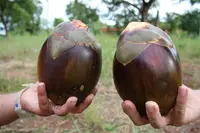
  • Collect ripe, fully colored fruits, clean off the pulp, and sow fresh seeds for best germination.
  • Sow in late spring to early summer in a deep container with a well-drained, sandy mix kept evenly moist.
  • Maintain warm temperatures around 75–85°F, since germination can be slow and may take several months.
  • Place containers in bright, indirect light, avoid waterlogging, and thin or pot on seedlings once roots are established.

This species is adapted to warm climates and has limited tolerance of extended cold or hard frost.

  • In marginal climates, add a 5–8 cm mulch layer around the root zone in late fall, keeping it away from the trunk.
  • Wrap the crown and young trunk with breathable frost cloth during predicted freezes to limit tissue damage.
  • Move container-grown plants indoors or into a bright, frost-free space when temperatures approach 32°F.

Care Tips

Wind conditioning

If planting in a windy site, allow young plants to flex naturally in moderate wind without staking so the trunk tissues strengthen and better support the heavy crown at maturity.

Minimal trunk pruning

Remove only completely dead fronds close to the trunk and leave the petiole bases of firm old leaves in place on young plants to protect the bud from sun scorch and mechanical damage.

Salt exposure management

In coastal areas, hose off foliage with fresh water after salt-laden storms to reduce salt buildup on leaf surfaces and prevent marginal leaf burn over time.

Root zone protection

Keep a wide, mulch-only zone around the base instead of turf or groundcovers so the apical root zone is not compacted or damaged by mowing and foot traffic.

Hurricane preparation

In hurricane-prone regions, remove loose hanging fronds and old inflorescences before storm season to reduce wind resistance and lower the chance of crown damage when growing Thatch Palmetto outdoors.

Common Pests and Diseases

Palm leaf skeletonizer

This pest feeds within the leaf tissue and creates long, narrow, transparent windows that eventually turn brown and tatter the fronds. Symptoms include fronds that look shredded or lace-like while the main ribs remain intact.

Solution

Prune and destroy heavily damaged fronds to remove larvae and pupae, then inspect new growth regularly. For active infestations, spray the undersides and upper surfaces of affected fronds with a labeled Bacillus thuringiensis (Bt) or spinosad product in the evening, repeating as directed, and avoid overhead irrigation that keeps foliage wet for long periods.

Giant palm borer

This pest is a large beetle whose larvae tunnel deep into the trunk, weakening structural integrity over time. Symptoms include oozing sap, frass (sawdust-like material) at the base or in trunk crevices, and areas of soft, weakened wood.

Solution

Remove and destroy severely infested palms when structural failure is likely, since internal tunneling cannot be reversed. In early or light cases, improve plant vigor with proper watering and nutrition, reduce mechanical injuries to the trunk, and consult a local arborist or extension service about timing any permitted trunk injections or targeted biological controls in the region where you grow Sabal yapa.

Ganoderma butt rot

This disease is caused by a soilborne fungus that attacks the lower trunk and root flare, leading to gradual decline and sudden collapse. Symptoms include thinning canopy, smaller new fronds, and hard, shelf-like conks forming near the base of the trunk.

Solution

Remove and destroy affected palms including the lower trunk and nearby roots since there is no curative treatment, and do not replant another palm in the exact spot. Improve drainage, avoid burying the trunk base, and prevent mechanical damage to lower trunks when planning long-term Thatch Palmetto care instructions in areas where this disease is common.

Fusarium wilt (palm)

This disease is caused by Fusarium oxysporum f. sp. palmarum, which blocks water flow in the vascular system and leads to one-sided frond yellowing and necrosis. Symptoms include older fronds dying first, often on a single side of the canopy before spreading.

Solution

Remove and destroy symptomatic fronds with clean, disinfected tools and dispose of plant waste off-site. Avoid overhead irrigation that wets foliage, do not reuse tools between palms without disinfecting, and choose healthy nursery stock from reputable sources, since there is no reliable chemical cure once a tree is systemically infected.

Scale insects

These insects attach to fronds and petioles, sucking sap and excreting sticky honeydew that can support sooty mold growth. Symptoms include yellow stippling, general decline, sticky leaves, and small dome-shaped or flat bumps that do not easily wipe off.

Solution

Prune and discard heavily infested fronds, then wash remaining foliage with a strong stream of water to dislodge crawlers. For persistent infestations, apply a horticultural oil or insecticidal soap thoroughly to all leaf surfaces during mild temperatures, repeating at 7–14 day intervals as needed while monitoring for natural enemies like lady beetles and parasitic wasps.

Interesting Facts

Yucatan dry-forest specialist

This palm is native to the Yucatan Peninsula and nearby regions, where it is specially adapted to seasonally dry tropical forests on limestone-derived soils with high pH and low nutrients.

Distinctive split midribs

Its fan leaves show a characteristic split or groove in the midrib near the leaf base, a trait botanists use to distinguish it from related species that have unsplit or differently structured leaf midribs.

Traditional thatching resource

Local communities in parts of Mexico and Central America have long used its durable, fan-shaped leaves for roof thatching, giving rise to common names such as thatch palm or thatch palmetto and shaping practical knowledge on how to take care of Thatch Palmetto in rural landscapes.

Botan icon

Did you know?

Sabal yapa often forms part of the midstory layer in tropical dry forests, where its fruits provide food for birds and other wildlife that in turn disperse its seeds, helping maintain plant diversity in these seasonally stressed ecosystems.

FAQs about Thatch Palmetto

Growth is slow. In suitable outdoor conditions, expect roughly 5–15 cm of trunk height per year once established, sometimes less. Early years focus on root and leaf development, so visible vertical growth can seem very limited.

Grow Healthy Plants with Botan Care

Keep your plants happy and healthy with plant identification, disease detection, and easy care guidance.

Botan plant care app — identify plants on mobile

Explore More Plants