Bulb rest management
After flowering, mark a 6–8 week post-bloom period on a calendar to gradually reduce watering and move the pot to a slightly cooler, bright spot so the bulb can complete dormancy and recharge for the next flowering cycle.

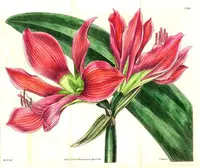
Lily of the Palace (Hippeastrum aulicum) is a bulb-forming flowering plant known for its large, trumpet-shaped blooms and broad, glossy green leaves. It typically grows from a dormant bulb that sends up foliage and then striking flower stalks.
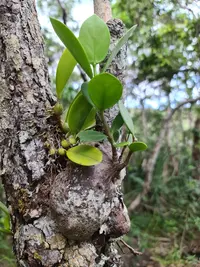
This species is native to Brazil and nearby regions, where it grows in warm, humid forests, often on rocks or trees as an epiphyte. Its showy flowers and clear rest-and-growth cycle make it moderately easy to manage once the seasonal rhythm is understood.
It prefers bright, indirect light, free-draining soil, and careful watering that avoids waterlogged conditions. Learning how to care for Lily of the Palace mainly involves respecting its dormant period and avoiding overwatering.

Care Difficulty
Moderate Care

Light Preference
Partial Sun

Water Requirements
Moderate Water

Temperature Preference
Tropical / Frost Sensitive

Hardiness Zone
9–11

Soil Texture
Sandy, Loamy, Organic-rich

Soil pH
Acidic (5.5–6.5), Slightly acidic (6.5–7.0)

Soil Drainage
Well-drained

Fertilization
Light (every 4–6 weeks)
Scan your plant to receive care tips personalized for your specific plant
Available on iOS and Android
This species prefers bright conditions with some protection from harsh midday sun.
Watering Hippeastrum aulicum focuses on moist but never waterlogged soil around the bulb zone.
This bulb favors warm, frost-free conditions with moderate seasonal variation.
Hippeastrum aulicum handles typical indoor humidity but performs best with stable, moderately moist air.
Hippeastrum aulicum grows best in a loose, fast-draining, organic-rich mix that resists waterlogging.
This species is very suitable for container growing due to its bulbous, compact root system.
Hippeastrum aulicum benefits from moderate feeding during its active growth to support strong leaves and flowers.
Pruning Hippeastrum aulicum is simple and focuses on removing spent growth to keep the bulb healthy and flowering well.
Hippeastrum aulicum grown in pots benefits from occasional repotting to refresh soil and manage bulb crowding.
Propagation of Hippeastrum aulicum is usually done by dividing offsets, with seed used mainly for breeding or collection purposes.
Winter care for Hippeastrum aulicum focuses on avoiding frost damage and managing a short rest period for the bulb.

Plant Health Check
Not sure what's wrong with your plant? Check your plant's health inside the app.
This species naturally grows on moist, shaded rock outcrops and mossy ledges in the Atlantic Forest of Brazil, often with its bulb partly exposed rather than buried in soil.
In the Southern Hemisphere it typically flowers in late fall to winter, producing large red and green, star-shaped flowers when many surrounding forest plants are less showy.
Its petals carry a green central stripe that extends from the throat toward the tip, creating a bicolor effect that helps separate it from many other red-flowering Hippeastrum species and hybrids.

Hippeastrum aulicum is one of the parents used in early amaryllis breeding, contributing its large, starry red blooms and green-striped floral pattern to several classic hybrid lines that are still grown today.
Lack of flowering is often due to insufficient rest after the last bloom, poor bulb nutrition, or the bulb being too small. Allow a cool dry rest, then resume balanced feeding to support bud formation when growing Lily of the Palace.
Keep your plants happy and healthy with plant identification, disease detection, and easy care guidance.