Rotate post-bloom
After flowering, rotate the pot 90° every 1–2 weeks so the foliage develops evenly and the bulb does not lean heavily toward one side, which reduces the risk of a top-heavy plant tipping over.

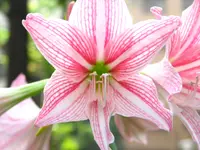
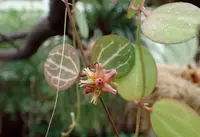
Hippeastrum reticulatum, commonly called netted-veined amaryllis, is a small bulb-forming perennial grown mainly for its patterned leaves and showy funnel-shaped flowers. It develops strappy green foliage marked with fine pink to white veins and produces clusters of pink blooms, often in late summer or fall.
This species is native to tropical regions of South America, where it grows in warm, humid environments with a distinct dry rest period. In cultivation it adapts well to pots, as long as it receives bright light, a free-draining soil mix, and careful watering around the bulb neck. These traits make it moderately easy to manage once its rest and growth cycles are understood, and they guide how to care for Netted-veined amaryllis indoors or in sheltered outdoor spots.

Care Difficulty
Moderate Care

Light Preference
Partial Sun

Water Requirements
Moderate Water

Temperature Preference
Tropical / Frost Sensitive

Hardiness Zone
10–11

Soil Texture
Sandy, Loamy, Organic-rich

Soil pH
Acidic (5.5–6.5), Slightly acidic (6.5–7.0)

Soil Drainage
Well-drained

Fertilization
Light (every 4–6 weeks)
Scan your plant to receive care tips personalized for your specific plant
Available on iOS and Android
Hippeastrum reticulatum grows best with bright, indirect light and some gentle direct sun each day.
Hippeastrum reticulatum prefers evenly moist but never waterlogged soil, with short dry intervals between waterings.
This species prefers warm, stable conditions and is sensitive to frost and temperature extremes.
This species grows best in moderate home humidity and rarely needs special humidity management.
Hippeastrum reticulatum prefers a loose, fast-draining, organic-rich mix that keeps the bulb slightly elevated and dry at the neck.
This bulb is very suitable for container growing when the pot is chosen to protect the bulb from waterlogging.
This bulb benefits from modest, targeted feeding to support leaves and flowers without overloading the soil.
Pruning needs for Hippeastrum reticulatum are simple and focus on hygiene rather than shaping.
Container-grown plants appreciate infrequent but careful repotting to keep bulbs slightly snug yet not root-bound.
This species is commonly propagated by bulb division and, more slowly, from seed for genetic diversity.
This tender bulb needs mild winter conditions and does best indoors or in frost-free climates during cold months.

Plant Health Check
Not sure what's wrong with your plant? Check your plant's health inside the app.
This species is known for its narrow, strap-like leaves marked with a fine, netted pattern of pale veins, which is more pronounced than in most other Hippeastrum species and gives rise to its common name, netted-veined amaryllis.
Unlike many cultivated Hippeastrum hybrids that flower in late winter, this species typically blooms in late summer to autumn in its native range, producing pink, funnel-shaped flowers with darker midstripes.
The plant is native to eastern Brazil, where it grows in warm, humid forest environments and often experiences a distinct seasonal rhythm of growth and rest linked to regional rainfall patterns.

Netted-veined amaryllis has been used in breeding programs to introduce its distinctive leaf venation and compact habit into ornamental Hippeastrum hybrids, giving some modern cultivars both showy flowers and more decorative foliage.
Lack of flowers often comes from insufficient rest after the last bloom, underfertilizing, or growing in a pot that is too large. Provide a defined dry rest, balanced fertilizer during growth, and avoid repotting too frequently.
Keep your plants happy and healthy with plant identification, disease detection, and easy care guidance.

%20-%20Copy-200x143.webp)