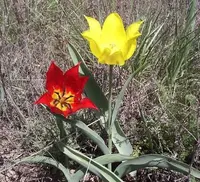
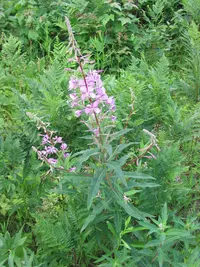
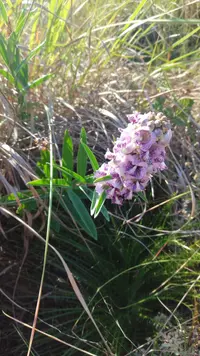
prairie rosinweed Care (Silphium terebinthinaceum)

Also known as: prairie dock
prairie rosinweed

About prairie rosinweed

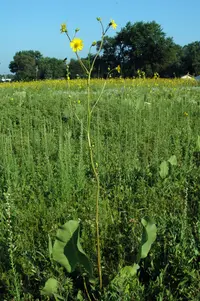
Prairie rosinweed, Silphium terebinthinaceum, is a tall, long-lived herbaceous perennial in the aster family, known for its large basal leaves and bright yellow daisy-like flower heads. Plants form a bold clump of coarse foliage, with sturdy flowering stems that rise well above the leaves in summer.

This species is native to North American prairies, savannas, and open roadsides, especially in the central and eastern United States. It is adapted to sun, wind, and lean soils, which makes it relatively easy to maintain once established.

To care for prairie rosinweed successfully, provide full sun, well-drained soil, and moderate to dry moisture, and allow enough space for its tall, upright growth habit.

Main Plant Requirements

Care Difficulty

Easy Care

Light Preference

Full Sun

Water Requirements

Low Water

Temperature Preference

Cold Hardy

Hardiness Zone

4–8

Soil Texture

Sandy, Loamy, Clay

Soil pH

Slightly acidic (6.5–7.0), Neutral (7.0)

Soil Drainage

Well-drained

Fertilization

Minimal (feed rarely)

Get Personalized Care Plan

Scan your plant to receive care tips personalized for your specific plant

Available on iOS and Android

How to Care for the prairie rosinweed

This tall prairie perennial thrives in open, bright conditions with long daily sun exposure.

  • Provide 6–10 hours of direct sun daily; full sun promotes sturdy stems and abundant flowering in prairie rosinweed.
  • Plant in an open site with unobstructed morning and midday sun; light afternoon shade is tolerated in hot southern climates.
  • In sites with only 4–5 hours of sun, expect fewer flowers and more leaning stems; avoid dense shade, which leads to weak growth and poor vigor.

This deep-rooted prairie species prefers infrequent watering once established and does not tolerate soggy soil.

  • In the first growing season, water when the top 3–5 cm of soil is dry, aiming for a thorough soak that reaches the root zone.
  • For established Silphium terebinthinaceum in the ground, rely mostly on rainfall, watering only during prolonged drought when foliage wilts and soil is dry several cm down.
  • Use well-drained, sandy or loamy soil; watch for yellowing, soft stems or standing water as signs of overwatering, and crisp, browning leaf edges as signs of underwatering.

This hardy prairie perennial tolerates wide temperature swings but grows best in warm, temperate conditions.

  • Active growth is strongest at 70–85°F (21–29°C), with sturdy stems and maximum leaf expansion in full sun and moderate moisture.
  • Mature plants tolerate winter cold to about -30°F (-34°C) in the ground, dying back to the crown and resprouting in spring.
  • During summer heat above 95°F (35°C), plants usually cope well if soil is not waterlogged; brief late-spring frosts may nip new shoots but rarely damage the underground crown.

Humidity is not a major factor for Silphium terebinthinaceum compared with light and soil conditions.

This prairie perennial thrives in open, mineral soils with strong drainage and ample root run.

  • Use a lean sandy or sandy-loam mix with 20–30% compost and the rest coarse sand or gritty topsoil for structure.
  • Aim for slightly acidic to neutral pH, around 6.0–7.2, avoiding strongly acidic or alkaline conditions that limit nutrient uptake.
  • Improve drainage and aeration by blending in coarse sand or small gravel, especially in heavier native soils or compacted sites.
  • Avoid consistently wet, clay-heavy, or poorly drained spots, which promote root rot and reduce long-term Silphium terebinthinaceum vigor.

This species is generally unsuitable for long-term container growing due to its deep taproot and tall, top-heavy growth.

This deep-rooted prairie perennial usually needs minimal feeding on average garden soils.

  • In the first 1–2 years, mix compost into the planting area to support root establishment.
  • If growth is weak on poor soils, apply a balanced slow-release fertilizer (around 10-10-10) in early spring.
  • Use fertilizer at 1/2 label strength to avoid lush, floppy growth and reduced drought tolerance.
  • Do not feed prairie rosinweed after midsummer; skip fertilizing completely in winter dormancy.

Pruning Silphium terebinthinaceum is mainly about seasonal cleanup and maintaining a safe, tidy clump.

  • In late winter or very early spring, cut back all old stems to just above ground level before new growth emerges.
  • During the growing season, remove dead, damaged, or storm-bent stalks with clean bypass pruners.
  • Thin a few crowded flowering stems if plants lean heavily, which can slightly reduce height and improve sturdiness.
  • Deadheading spent flower stalks can limit self-seeding while focusing energy into root reserves.

This species develops a strong taproot, so transplanting is easiest when plants are young and small.

  • Transplant in early spring or early fall, once seedlings are 10–15 cm tall but before roots coil at the container bottom.
  • Signs a container plant needs moving include roots circling, water running straight through, and stalled top growth.
  • Shift to a deeper container or in-ground site with well-drained soil, disturbing the taproot as little as possible.
  • Water thoroughly after transplanting, then keep soil evenly moist for 2–3 weeks to reduce root stress.

New plants are most commonly raised from seed, with vegetative methods used much less often.

  • Collect ripe seeds in late summer to early fall and store them cool and dry until sowing.
  • For best germination, give seeds 6–8 weeks of cold, moist stratification at 34–41°F.
  • Sow stratified seed in spring in trays or direct in the ground, covering lightly and keeping soil just moist.
  • Division is difficult due to the deep taproot; only attempt on small, young plants during early spring.

This prairie perennial is cold hardy in much of the US and usually needs little special winter care outdoors.

  • Mature in-ground plants tolerate frost and typical winter freezes in USDA zones where it is hardy.
  • In colder areas or exposed sites, apply a 5–8 cm mulch layer around the crown after soil cools, not touching stems.
  • Leave dead stems standing for winter interest and wildlife, then cut them back in late winter before new growth.

Care Tips

Staking Tall Stems

Install sturdy stakes or a low wire support ring early in the season and loosely tie the main stems so tall flowering stalks stay upright in wind and heavy rain.

Deep Mulch Ring

Apply a 5–8 cm ring of coarse organic mulch around, but not touching, the crown to reduce weed competition, conserve soil moisture, and keep the deep taproot zone cooler in summer.

Taproot-Friendly Planting

Plant young stock where it can stay long term, since the very deep taproot resents disturbance and mature plants are difficult to move once established.

Seed Head Management

Leave some seed heads standing over winter for wildlife and self-sowing, then cut and remove unwanted heads in late winter to limit excessive spread and manage where new plants appear when growing prairie rosinweed.

Airflow Between Clumps

Space plants generously and avoid crowding with tall neighbors so air can move freely around the large leaves, which helps foliage dry quickly after rain and reduces foliar disease pressure.

Common Pests and Diseases

Leaf beetles

These insects chew irregular holes in the large basal leaves and can skeletonize foliage when populations are high.

Solution

Hand-pick adults and larvae into soapy water, especially in early summer, and remove nearby weedy composites that host them. If damage is severe, use a targeted spinosad or pyrethrin product in the evening, coating only the leaves being eaten to reduce impact on pollinators.

Sunflower aphids

This pest clusters on stems, undersides of leaves, and flower stalks, sucking sap and leaving sticky honeydew that can attract sooty mold.

Solution

Spray colonies off with a strong stream of water every few days and encourage natural predators such as lady beetles by avoiding broad-spectrum insecticides. For persistent infestations, treat stems and leaf undersides with insecticidal soap or a light horticultural oil, repeating as needed according to label directions.

Powdery mildew

This disease causes white, powdery patches on upper leaf surfaces, leading to yellowing and premature leaf decline in crowded or shaded plantings.

Solution

Improve air circulation by thinning nearby plants and avoid frequent overhead watering, especially late in the day. Remove and discard heavily infected leaves, and if needed apply a labeled fungicide such as sulfur or potassium bicarbonate when symptoms first appear, repeating as directed.

Rust

This disease produces small orange to brown pustules on the undersides of leaves, sometimes with yellow spots on the upper surface and early leaf drop later in the season.

Solution

Promptly remove and dispose of affected leaves to reduce spore spread, and keep irrigation at soil level to avoid wet foliage. In plantings with a history of rust, apply a protective fungicide labeled for rust on sunflowers or prairie composites early in the season, especially during extended wet or humid periods.

Stem borers

These insects tunnel inside flowering stalks, causing wilting, stem weakening, and sometimes breakage before seed set.

Solution

Cut and destroy wilted or hollow stems as soon as damage is noticed to remove larvae before they complete development. At the end of the season, remove and dispose of spent stalks rather than leaving them standing, which interrupts the life cycle and reduces pressure the following year, an important step in Silphium terebinthinaceum care instructions.

Interesting Facts

Prairie compass leaves

The huge basal leaves usually align their flat surfaces north–south, which reduces midday heat load and water loss on open prairies.

Deep taproot system

This species develops a very deep taproot that can reach several meters into the soil, allowing it to persist through drought and access moisture far below the surface.

Resinous stem exudate

When stems or leaves are damaged, they exude a sticky, aromatic resin that inspired the common name rosinweed and can deter some herbivores.

Botan icon

Did you know?

In intact tallgrass prairie remnants, this species often functions as a long-lived “conservative” plant, meaning its presence is strongly associated with high-quality, minimally disturbed native prairie ecosystems and is used by ecologists as an indicator of remnant habitat integrity.

FAQs about prairie rosinweed

This species spreads slowly by short rhizomes and more noticeably by seed. It can form sizable clumps over time but is not typically aggressive if flower heads are deadheaded before seeds mature and disperse.

Grow Healthy Plants with Botan Care

Keep your plants happy and healthy with plant identification, disease detection, and easy care guidance.

Botan plant care app — identify plants on mobile

Explore More Plants