Angelonia integerrima Care

Angelonia integerrima

About Angelonia integerrima

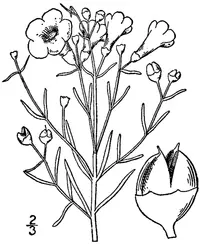
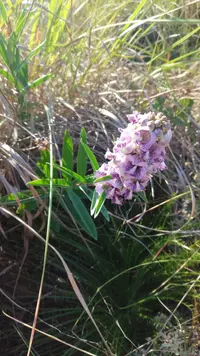
Angelonia integerrima is a compact, herbaceous perennial often grown as a warm-season bedding or container plant. It produces narrow leaves and upright spikes of small, snapdragon-like flowers. Colors are typically soft to vivid shades that attract pollinators such as bees. Plants tend to branch well and form tidy clumps with a relatively long blooming season in suitable climates.

This species is native to parts of South America, where it grows in warm, sunny conditions. It is generally considered easy to moderate to grow, provided it receives good light, regular but not excessive moisture, and a well-drained, moderately fertile soil. Understanding how to care for Angelonia integerrima becomes easier once its preference for consistent warmth and sun is recognized.

Main Plant Requirements

Care Difficulty

Moderate Care

Light Preference

Full Sun

Water Requirements

Moderate Water

Temperature Preference

Tropical / Frost Sensitive

Hardiness Zone

10–11

Soil Texture

Sandy, Loamy, Organic-rich

Soil pH

Acidic (5.5–6.5), Slightly acidic (6.5–7.0)

Soil Drainage

Well-drained

Fertilization

Light (every 4–6 weeks)

Get Personalized Care Plan

Scan your plant to receive care tips personalized for your specific plant

Available on iOS and Android

How to Care for the Angelonia integerrima

This sun-loving species forms the most compact, floriferous growth in bright outdoor conditions.

  • Provide 6–8 hours of direct sun daily; in hotter regions, give Angelonia integerrima morning sun with light afternoon shade to reduce stress.
  • Plants tolerate light partial shade (3–4 hours sun), but flowering and stem strength decline as shade increases.
  • In midsummer, watch for leaf scorch or wilting in exposed spots and move or shade plants slightly, while in short winter days avoid dense shade from buildings or trees.

This species prefers evenly moist but not saturated soil with short dry intervals between waterings.

  • Water when the top 3–5 cm of soil feel dry, using enough water to moisten the root zone, then let excess drain away fully.
  • In hot, windy weather, drying accelerates and watering may be needed more often; in cool or rainy periods, extend intervals to prevent root rot.
  • Leaves that yellow from the base and soft stems suggest overwatering, while dull foliage, drooping stems, and dry, crisp tips indicate underwatering in Angelonia integerrima.

This warm-season plant grows best in stable, frost-free conditions.

  • Aim for 70–85°F (21–29°C) for active growth; plants generally tolerate short spikes up to about 95°F (35°C) if soil moisture is maintained.
  • Avoid temperatures below 50°F (10°C); growth slows, foliage may purple or yellow, and damage occurs near 40°F (4°C), especially in wet soil.
  • Frost is typically fatal, so treat the plant as a tender perennial or annual in climates with winter freezes and replant after nights stay above 55°F (13°C).

This species tolerates typical indoor humidity but shows best growth with moderately moist air.

  • Aim for 40–60% humidity, as very dry air can slow growth and reduce flowering.
  • Leaves curling inward or browning at tips can signal humidity stress rather than underwatering.
  • Increase humidity by grouping plants, placing the pot on a pebble tray with water below the base, or using a small room humidifier nearby.

This plant prefers a loose, well-aerated mix that drains quickly yet holds moderate moisture.

  • Use a light loam or sandy loam with 30–40% compost plus 20–30% perlite or coarse sand for structure and air spaces.
  • Ensure water drains freely through the root zone within minutes to avoid oxygen-poor, saturated conditions.
  • Aim for slightly acidic to neutral pH around 6.0–7.0, avoiding strongly alkaline mixes that can limit nutrient uptake.
  • In heavy or compact garden soil, grow Angelonia integerrima in raised beds or containers and amend with coarse material to prevent waterlogging.

This species is suitable for container growing when the pot supports its fast, branching habit.

  • Choose a wide, shallow to medium-depth pot so lateral roots can spread while the top growth stays stable in wind.
  • Select a slightly heavier material like ceramic or clay to reduce tipping as stems elongate and flower.
  • Raise the container on pot feet or bricks so drainage holes stay clear and excess water exits rapidly after watering.

Light, balanced feeding supports steady growth and flowering in Angelonia integerrima without encouraging weak, lanky stems.

  • Use a balanced, water-soluble fertilizer (around 10-10-10 or 20-20-20) diluted to 1/2 strength for container plants.
  • Feed every 3–4 weeks during the active growing season, after plants are well established.
  • In-ground plants often manage with just a thin layer of compost in spring in average garden soil.
  • Stop or greatly reduce feeding in late fall and winter to avoid soft, frost-prone growth.

Thoughtful pruning helps Angelonia integerrima stay compact, produce more blooms, and maintain healthy structure.

  • Pinch or lightly shear stem tips in late spring or early summer to encourage branching and a fuller habit.
  • Remove spent flower spikes and any dead or damaged stems throughout the season to extend blooming.
  • Thin crowded inner stems with clean scissors or hand pruners to improve light and air flow.
  • Cut back leggy growth by up to 1/3 to refresh shape, always leaving leafy sections on each stem.

This species is more often transplanted in garden beds than kept long term in containers, but root disturbance should still be gentle.

  • Transplant in spring after frost, when roots lightly fill the pot but are not heavily circling or binding.
  • Plan on moving or dividing clumps every 2–3 years if growth slows or flowering declines.
  • Water the plant well the day before moving, then slide the root ball out with minimal shaking or teasing.
  • Replant at the same depth in well-drained soil, firm gently, and water thoroughly to settle roots and reduce stress.

Gardeners usually propagate this plant from softwood cuttings or seeds to maintain flowering displays.

  • Take 7–10 cm softwood cuttings in late spring or early summer, using non-flowering shoots.
  • Remove lower leaves, dip cut ends in rooting hormone, and place in a moist, well-drained, sterile mix.
  • Keep cuttings in bright, indirect light with high humidity and temperatures around 70–75°F until rooted.
  • Sow seeds on the surface of a fine seed mix, keep lightly moist, and provide warmth and light for germination.

In mild climates the plant can overwinter outdoors, but colder regions require extra winter care for Angelonia integerrima.

  • In USDA zones where winter drops below about 25°F, treat plants as annuals or overwinter cuttings indoors.
  • Apply a light mulch around the root zone in fall in marginal climates to buffer temperature swings.
  • For containers, move pots to a bright, frost-free area and water sparingly so the soil stays just barely moist.

Care Tips

Staggered succession planting

For continuous flowering in warm regions, start small batches of plants every 4–6 weeks in late spring and early summer so there are always younger plants coming into peak bloom as older ones start to tire.

Pinch for branching

When plants are 10–15 cm tall, lightly pinch out just the very tip of each stem once to encourage a denser, more wind‑resistant plant with more flowering shoots later in the season.

Targeted deadheading

Instead of removing single spent flowers, cut back whole faded flowering spikes to just above a strong pair of leaves to redirect energy into fresh lateral shoots and new bloom spikes.

Rain and irrigation spacing

In humid or rainy climates, space plants slightly farther apart than recommended and water at soil level rather than overhead to reduce the risk of foliar diseases on the narrow leaves and flower spikes.

Container refresh strategy

In long seasons, plan to replant containers mid to late summer by discarding the most exhausted plants and tucking in fresh young ones, which is a practical way of caring for Angelonia integerrima in high-heat areas where flowering can slow over time.

Common Pests and Diseases

Aphids

These insects cluster on soft new growth and flower spikes, sucking sap and causing curling or distortion of leaves and reduced flowering. This pest often appears on stressed plants grown in rich, moist soil or crowded beds.

Solution

Rinse shoots and flower stems with a firm stream of water to knock insects off, then spot-treat remaining colonies with insecticidal soap or a ready-to-use neem oil spray, covering leaf undersides. Reduce excess nitrogen fertilizer and improve air movement around plants to make growing conditions less favorable for aphids when caring for Angelonia integerrima.

Spider mites

This pest thrives in hot, dry conditions, causing tiny yellow speckles on leaves, fine webbing, and a dull, stippled appearance. Symptoms include gradual leaf drop and a general decline in plant vigor if infestations are ignored.

Solution

Increase humidity around plants slightly and hose down foliage, including undersides of leaves, to remove mites and webbing. For ongoing control, apply insecticidal soap or a miticide labeled for ornamental plants every 5–7 days until new growth appears clean, and avoid letting soil stay bone-dry for long periods.

Botrytis blight

This disease causes soft, water-soaked spots on leaves, stems, and flowers that turn brown and develop fuzzy gray mold, especially in cool, damp weather. Symptoms include flower shatter, collapsing stems, and rotting of spent blooms left on the plant.

Solution

Promptly deadhead faded flowers and remove affected plant parts, then discard them in the trash rather than composting. Improve spacing and airflow, water at soil level instead of overhead, and in persistent wet conditions consider a fungicide labeled for botrytis on ornamentals, following the product directions carefully.

Leaf spot

This disease produces small purple, brown, or black spots on leaves that can merge into larger blotches, sometimes leading to premature yellowing and drop. Symptoms include more severe damage on lower, older foliage in dense plantings or humid sites.

Solution

Trim and dispose of heavily spotted leaves and thin nearby vegetation to improve light and airflow. Water in the morning at the base of the plant, keep foliage as dry as possible, and if the problem repeats seasonally, use a preventative copper or chlorothalonil-based fungicide at label intervals during humid spells.

Interesting Facts

South American endemic

Angelonia integerrima is naturally distributed in parts of Brazil and neighboring regions, where it occurs in open, seasonally dry habitats rather than in dense forest.

Glandular aromatic foliage

The leaves bear glandular trichomes, small hair-like structures that release aromatic compounds, which may deter some herbivores and contribute to a mild fragrance when the foliage is handled.

Bee‑oriented floral design

Its zygomorphic (bilaterally symmetrical) flowers form a snapdragon-like corolla with a landing platform and nectar guides, an arrangement that promotes efficient pollination by visiting bees in its native range.

FAQs about Angelonia integerrima

Sparse or absent flowering often comes from insufficient light, excess nitrogen fertilizer, or heat/cold stress. Deadhead spent spikes, keep soil evenly moist but not wet, and avoid heavy feeding to support continuous blooming when conditions are favorable.

Grow Healthy Plants with Botan Care

Keep your plants happy and healthy with plant identification, disease detection, and easy care guidance.

Botan plant care app — identify plants on mobile

Explore More Plants