Bufonia perennis Care

About Bufonia perennis

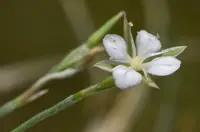
Bufonia perennis is a small, cushion-forming perennial often grown in rock gardens and alpine collections. It forms dense, moss-like mats covered with tiny, narrow leaves. In spring to early summer, it produces small white flowers that create a fine, delicate display above the low foliage dome.

This compact growth habit makes it suitable for rock crevices, gravel beds, and troughs. The species is native to rocky, mountainous areas of Europe, where it thrives in well-drained, often limestone-rich soils. These origins make it generally hardy but sensitive to winter wet and poor drainage, which are the main challenges when learning how to care for Bufonia perennis. It prefers bright light, cool conditions, and consistently well-drained, gritty soil.

Main Plant Requirements

Care Difficulty

Moderate Care

Light Preference

Full Sun

Water Requirements

Low Water

Temperature Preference

Cool Climate

Hardiness Zone

5–8

Soil Texture

Sandy, Rocky, Loamy

Soil pH

Slightly acidic (6.5–7.0), Neutral (7.0)

Soil Drainage

Well-drained

Fertilization

Minimal (feed rarely)

Get Personalized Care Plan

Scan your plant to receive care tips personalized for your specific plant

Available on iOS and Android

How to Care for the Bufonia perennis

This alpine cushion plant needs bright conditions with several hours of direct sun but protection from harsh extremes.

  • Provide 4–6 hours of direct sun daily, ideally morning sun with light afternoon shade, especially in hotter regions.
  • In cooler climates, full sun is suitable if the soil is very well drained; in hotter zones, give filtered light during mid-afternoon to prevent scorching.
  • Leggy, open growth and weak flowering indicate too little light, while bleached, crispy foliage signals excessive sun exposure.

This species prefers slightly dry, well-drained soil and is sensitive to standing moisture.

  • Allow the top 2–4 cm of soil to dry between waterings; in open rock gardens this may mean watering only after several rain-free days.
  • During cool seasons, reduce watering so the root zone stays barely moist; increase slightly in active growth but avoid soaking the crown.
  • Yellowing, soft foliage and mossy soil suggest overwatering, while shriveling, brittle shoots and rapid wilting in sun indicate underwatering.

This hardy rock-garden plant tolerates cool conditions but still benefits from moderate growing temperatures.

  • Aim for active growth in 55–70°F (13–21°C), typical of mild spring and early summer conditions in many temperate regions.
  • Established plants usually tolerate down to about 0–5°F (-18 to -15°C) with good drainage, but young plants are more vulnerable to deep, prolonged frost.
  • Heat above 85°F (29°C) can stress cushions, so provide afternoon shade and avoid warm, waterlogged soil that increases rot risk.

This alpine species tolerates low humidity and rarely needs special moisture in the air.

  • Target 30–50% humidity, similar to typical indoor air in temperate homes.
  • Plants handle short dry spells but may brown at tips if exposed to very dry, heated air for long periods.
  • If foliage browns or shrivels, move away from heaters and use a pebble tray to slightly increase local humidity.

Soil for Bufonia perennis must be very well drained and mineral-rich to prevent root problems.

  • Use a gritty mix such as 50–60% coarse sand or fine grit with the rest lean loam and a small amount of compost.
  • Aim for slightly alkaline to neutral pH, around 7.0–7.8, often achieved with limestone grit or a calcareous aggregate.
  • Ensure sharp drainage by avoiding clay-based or peat-heavy mixes that hold water and compact around the roots.
  • For better aeration, incorporate horticultural grit or small gravel rather than perlite, which can float and shift in shallow rock-garden settings.

This species can grow in containers when given a shallow, fast-draining setup that mimics a rocky crevice.

  • Choose a wide, shallow pot to accommodate its mat-forming habit and prevent water sitting deep around the roots.
  • Use clay or concrete containers outdoors to keep the gritty mix stable and reduce excessive moisture retention after rain.
  • Raise the pot slightly on feet or tiles so drainage holes clear quickly and runoff does not re-soak the root zone.

This alpine cushion plant from poor, rocky soils needs only very light feeding in cultivation.

  • Use a low-dose balanced fertilizer (around 10-10-10) at 1/4 strength if growth appears weak during spring–early summer.
  • Apply no more than once every 6–8 weeks in the active growing season to avoid soft, weak growth.
  • Skip feeding in late fall and winter, allowing natural rest in cool, bright conditions.
  • Organic compost or very dilute liquid feed is preferred over heavy slow-release products for Bufonia perennis.

Pruning is minimal and mainly keeps the tight cushion of Bufonia perennis tidy and healthy.

  • Best time is after main flowering in late spring or early summer, once seed set is complete.
  • Use fine scissors or small snips to remove dead, browned, or damaged shoots from the cushion surface.
  • Lightly trim stray or elongated stems to maintain a compact mound and prevent gaps forming in the center.
  • Avoid cutting back hard into old woody growth, which reshoots poorly and can leave bare patches.

This species is usually grown in rock gardens or troughs, where it dislikes frequent disturbance.

  • Transplant only when growth is clearly cramped, roots circle a small pot, or the center of the cushion declines.
  • Aim to move or up-pot in early spring before vigorous growth, or in early fall in mild climates.
  • Plan on repotting or transplanting every 3–4 years at most, using a very free-draining gritty mix.
  • Handle the root ball gently, keep roots shaded and moist during the move, then water once and let the soil partially dry.

Propagation of this alpine is usually done by seed, as divisions can disrupt the tight cushion.

  • Sow fresh seed in late winter–early spring in a gritty, well-drained mix, barely covering the seed.
  • Provide cool conditions (50–60°F), steady moisture, and bright indirect light for germination.
  • If dividing small clumps, do it in early spring, keeping each piece with healthy roots and minimal disturbance.
  • Grow young plants in small, deep pots until roots fill the mix, then transplant carefully into their final position.

Established plants are quite cold hardy in well-drained sites and usually need little winter attention.

  • Tolerates frost if grown in sharply drained, gritty soil that prevents waterlogging around the crown.
  • In very wet winters, use a simple overhead cover or cold frame to keep the cushion relatively dry.
  • For container plants, move pots to a cold, bright, sheltered spot to avoid repeated freeze–thaw cycles.
  • A very thin gravel mulch around the base helps insulate roots and keeps the crown from staying saturated.

Care Tips

Rock crevice planting

Tuck plants into shallow rock crevices or between stones to mimic their natural habitat, which helps keep crowns dry and reduces winter rot.

Sharp drainage booster

If soil is already sandy but still holds brief surface moisture after rain, lightly top-dress around the cushions with fine grit or small gravel to keep foliage off wet soil and protect the dense mat from decay.

Winter wet protection

In climates with cold, wet winters, set up a simple clear rain shield or cold frame lid over the planting area from late fall to early spring to prevent excess moisture while allowing full light.

Cushion edge renewal

Every 2–3 years, very gently tease away a small ring of dead material from the center of older cushions and backfill with gritty mix to encourage fresh growth and prevent the clump from hollowing out.

Seedling micro-pockets

To slowly expand a planting, sow a few seeds into tiny pockets of fine grit-filled cracks near the parent plant, which stabilizes young roots and improves success when growing Bufonia perennis from seed.

Common Pests and Diseases

Botrytis blight

This disease causes water-soaked spots on stems and leaves that turn tan or brown and develop a fuzzy gray mold, especially in cool, damp conditions. Symptoms include collapse of small cushions and death of young shoots.

Solution

Remove and discard all affected plant parts and any dead debris around the cushion to reduce spore levels. Improve air circulation, avoid overhead watering, and if needed apply a targeted fungicide labeled for Botrytis on rock-garden perennials, following label directions carefully as part of broader Bufonia perennis care instructions.

Cushion crown rot

This disease starts as yellowing and wilting of individual shoots, followed by browning and collapse of whole sections of the cushion from the base upward in poorly drained or waterlogged sites. Symptoms include a soft, decaying crown and a foul smell near the soil line.

Solution

Cut out and discard affected cushion sections, including softened crown tissue, and improve drainage by raising the planting area or adding grit to the soil. Reduce watering, avoid water sitting around the base, and replant only in sharply drained, low-organic, mineral-rich substrates to prevent recurrence.

Spider mites

These pests cause fine stippling and a dull, gray-green cast on the tiny leaves, often with fine webbing in the cushion interior during hot, dry weather. This pest can lead to thinning and premature browning of the dense mats.

Solution

Rinse the plant thoroughly with a firm but gentle stream of water, focusing on the cushion interior, and repeat several times over 7–10 days to disrupt the mite cycle. If populations persist, use a horticultural soap or neem oil spray labeled for mites, always applying in the cooler part of the day and ensuring good drying conditions.

Aphids

These insects cluster on tender new shoots and flower stalks, sucking sap and causing distortion, stunting, and sticky honeydew deposits that may attract sooty mold. This pest can weaken small cushions, especially in sheltered rock crevices.

Solution

Squash small colonies by hand or dislodge them with a strong stream of water, repeating every few days until numbers drop. For heavier infestations, apply insecticidal soap or a light horticultural oil, coating all shoot surfaces while avoiding application during strong sun or high temperatures.

Leaf and stem scorch

This disorder shows as brown, desiccated tips or patches on leaves and stems, especially on exposed cushion edges under intense sun with reflected heat from rocks. Symptoms include an overall scorched or bleached look in dry, windy conditions without adequate establishment time.

Solution

Provide a slight increase in soil moisture without waterlogging and use light, temporary shade during the hottest part of the day while the plant establishes. Improve soil structure with mineral grit to balance drainage and moisture retention, and avoid sudden changes from cool, cloudy to intense, full-sun conditions when relocating or newly planting cushions.

Interesting Facts

High‑altitude specialist

This small cushion-forming plant is naturally restricted to rocky, high-mountain habitats in parts of southern Europe, where it grows in exposed crevices and thin, mineral soils that many other species cannot tolerate.

Cushion growth strategy

Its compact, tufted habit reduces wind exposure and helps trap a slightly warmer, more humid boundary layer of air close to the leaves, an adaptation commonly seen in alpine plants.

Tiny white blooms

The species produces small, white, star-like flowers on short stems, which are adapted to attract pollinators in harsh, open alpine environments with a very short growing season.

FAQs about Bufonia perennis

This species forms small, tight cushions and spreads slowly. It stays largely where it is planted, making it suitable for rock gardens and crevices without becoming a nuisance or crowding neighboring plants.

Grow Healthy Plants with Botan Care

Keep your plants happy and healthy with plant identification, disease detection, and easy care guidance.

Botan plant care app — identify plants on mobile

Explore More Plants