fragrant sobralia Care (Sobralia fragrans)

fragrant sobralia

About fragrant sobralia

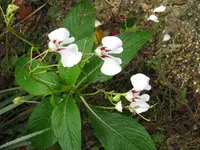
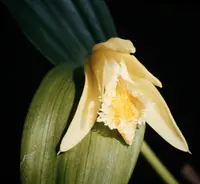
Fragrant sobralia (Sobralia fragrans) is a terrestrial orchid species known for its tall, cane-like stems and large, showy, short-lived flowers. The blooms are usually white to pale cream with a pleasant fragrance.

This species is native to Central and South America, where it grows in warm, humid forests and along forest edges. It tends to form clumps over time, creating a loose, bamboo-like appearance.

Sobralia fragrans is considered moderately demanding, mainly because it prefers stable warmth, high humidity, and consistent moisture around the roots. Those who care for fragrant sobralia should provide bright, filtered light and a very free-draining, airy growing medium.

Main Plant Requirements

Care Difficulty

Moderate Care

Light Preference

Partial Shade

Water Requirements

Keep Soil Moist

Temperature Preference

Tropical / Frost Sensitive

Hardiness Zone

10–11

Soil Texture

Loamy, Organic-rich

Soil pH

Acidic (5.5–6.5), Slightly acidic (6.5–7.0)

Soil Drainage

Moist but well-drained

Fertilization

Light (every 4–6 weeks)

Get Personalized Care Plan

Scan your plant to receive care tips personalized for your specific plant

Available on iOS and Android

How to Care for the fragrant sobralia

This orchid prefers bright, gentle light similar to bright forest edges.

  • Provide 4–6 hours of bright, filtered light daily, such as dappled shade or light under taller plants, for stable flowering and growth when caring for fragrant sobralia.
  • Allow soft morning sun in east exposure; protect from strong midday and afternoon sun that can scorch leaves, causing yellow patches and crisp edges.
  • In summer, shift plants to slightly shadier spots if leaves pale; in winter, increase light by moving to more open positions or lightly thinning overhead shade.

This species prefers consistently moist but never waterlogged conditions.

  • Water when the top 2–3 cm of soil feel just barely dry; roots should stay slightly damp, not soggy, especially during active growth.
  • Use deep, thorough watering so excess drains freely; soil for Sobralia fragrans should be loose, rich, and fast-draining to prevent root rot and sour smells.
  • Reduce frequency in cooler months, watching for wilted, wrinkled canes as a sign of underwatering and black, mushy roots or sour odor as a sign of overwatering.

This orchid favors warm, frost-free conditions with only mild seasonal swings.

  • Aim for 65–80°F (18–27°C) during active growth, which supports steady leaf and cane development without stress.
  • Protect plants from temperatures below 50°F (10°C); brief drops to 45°F (7°C) may be tolerated but risk leaf damage and slowed growth.
  • In hot periods above 85°F (29°C), increase airflow and shade to prevent heat stress, leaf scorch, and stalled flowering, especially in enclosed or sheltered spots.

This orchid prefers consistently moist air to support vigorous growth and reliable flowering.

  • Aim for 60–80% humidity; short dips to 50% are tolerated but prolonged drier air slows growth.
  • Low humidity stress shows as wilted, pleated, or browning leaf edges and flowers that fade quickly.
  • Increase humidity with grouped plants, trays of damp pebbles under pots, or a room humidifier near fragrant sobralia, while maintaining gentle air movement.

Sobralia fragrans benefits from a loose, moisture-retentive yet fast-draining substrate similar to terrestrial orchid mixes.

  • Use a mix of fine orchid bark, chunky perlite or pumice, and fibrous peat or coco coir to create airy, organic-rich soil.
  • Aim for slightly acidic to neutral pH, around 6.0–7.0, which supports nutrient availability and healthy root activity.
  • Ensure excess water drains freely; avoid compacted, heavy clay or pure garden soil that stays waterlogged around roots.
  • Improve aeration by increasing coarse components (bark, perlite) if the mix feels dense or dries unevenly after watering.

This species grows reliably in containers when the pot supports its tall, reed-like stems and moist, airy root zone.

  • Choose a deep, heavy pot that resists tipping as the tall canes develop and catch wind or accidental knocks.
  • Select slightly porous materials like terra cotta only if you can water more often, since they speed evaporation from the mix.
  • Use a tall, narrow container to give vertical root run while preventing a thick, soggy layer of mix at the bottom.

Sobralia fragrans benefits from light, consistent feeding during its active growing season for balanced stem and flower development.

  • Use a balanced orchid fertilizer (around 20-20-20) at 1/4–1/2 strength, formulated for epiphytic or semi-terrestrial orchids.
  • Apply every 2–3 weeks in spring and summer, always onto pre-watered substrate to avoid root burn.
  • Reduce feeding to once every 4–6 weeks in fall and winter, or pause if growth is very slow.
  • Alternate with plain water flushes to prevent salt buildup, especially in containers with limited drainage.

Pruning Sobralia fragrans focuses on hygiene and light shaping rather than heavy cutting.

  • Perform main pruning after flowering flushes, when spent canes and flower stems are easy to identify.
  • Remove dead, yellowing, or diseased canes at the base using clean, sharp pruners to limit pathogen spread.
  • Thin crowded, weak stems to improve light penetration and air movement, which supports healthier new growth.
  • Avoid cutting strong green canes, since they often store energy and may rebloom or support new shoots.

Container-grown Sobralia fragrans needs periodic repotting or transplanting to maintain aerated, fresh substrate and room for new canes.

  • Check for roots circling the pot, pushing above the surface, or for stalled growth as signs it needs a larger container.
  • Plan to repot every 2–3 years in late winter or early spring, just before strong new root and shoot growth begins.
  • Shift into a slightly larger pot with a loose orchid mix enriched with fine bark and perlite to limit compaction and waterlogging.
  • Handle roots gently, keep the root ball as intact as possible, water thoroughly, then keep shaded and evenly moist for 1–2 weeks to reduce stress.

Sobralia fragrans is most reliably propagated by careful division of mature clumps rather than by seed.

  • Divide in late winter or early spring, when new shoots just start to emerge but before vigorous root growth.
  • Lift the clump and separate sections with 3–5 healthy canes and an active growth eye, using a sterile knife or pruners.
  • Replant divisions in a moist, airy orchid substrate, keeping canes upright and rhizomes just covered.
  • Maintain high humidity, bright filtered light, and slightly warmer temperatures to support rapid root establishment.

This species is sensitive to hard frost and requires thoughtful winter care in most temperate climates.

  • In regions below 40°F, grow mainly in containers so plants can be moved indoors or into a cool greenhouse before freezing nights.
  • Keep indoor temperatures around 55–65°F with bright indirect light and reduced watering to match slower growth.
  • For milder climates, apply a 5–8 cm mulch layer around the root zone to buffer brief cold spells and soil temperature swings.
  • Avoid cold drafts and sudden temperature drops, which can damage canes and flower buds even above freezing.

Care Tips

Stake Tall Canes

Install slim, sturdy stakes and loosely tie the tall, reed-like stems in small groups so heavy flowers do not bend or snap them in wind or under their own weight.

Refresh Medium Regularly

Every 1–2 years, lift and divide congested clumps, trimming away dead roots and replacing the outer, exhausted potting mix to keep roots aerated and actively growing.

Encourage Successive Blooms

After each flower fades, remove the spent bloom only and leave the green cane intact, as healthy canes can continue to photosynthesize and may support further flowering from other nodes.

Use Wide Containers

Choose broad, relatively shallow pots rather than narrow deep ones to match the creeping rhizome growth habit and allow new shoots to spread outward without crowding.

Plan for Height

Position plants where canes can reach 90–150 cm without hitting ceilings or eaves, and rotate the container slightly every few weeks so the clump develops an even, stable structure when growing fragrant sobralia in bright sites.

Common Pests and Diseases

Scale insects

This pest attaches to canes and leaf bases, sucking sap and causing yellowing, weak growth, and sticky honeydew that encourages sooty mold. Infestations often start in the tight sheaths around the pseudostems and can spread along the whole clump.

Solution

Remove heavily infested canes or leaf bases and wipe remaining stems and leaves with cotton pads dipped in isopropyl alcohol to dislodge and kill scales. For larger clumps, wash plants thoroughly with a strong but gentle spray of water, then apply a horticultural oil labeled for orchids, repeating every 7–10 days until no new insects appear.

Spider mites

These insects thrive on Sobralia in warm, dry, sheltered spots, stippling leaves, causing a dull, dusty appearance, and sometimes producing fine webbing on the undersides. Symptoms include gradual bronzing and leaf drop, especially on plants grown under strong light with low humidity.

Solution

Increase humidity to 50–70% and hose down foliage, focusing on the undersides of leaves to physically remove mites and webs. Follow with an application of insecticidal soap or a miticide labeled safe for orchids, repeating a few times at 5–7 day intervals while monitoring for renewed stippling.

Soft rot (Erwinia)

This disease causes rapid, foul-smelling collapse of canes and leaf bases, with tissues turning water-soaked and mushy, especially where water sits in sheaths. Symptoms include a sour smell and fast spread through closely packed stems and rhizomes.

Solution

Immediately cut out all affected canes and surrounding tissue with sterile tools, dust cuts with powdered sulfur or cinnamon, and improve air movement so water dries quickly from leaf axils. Avoid overhead watering late in the day and keep the base of the clump less congested by thinning older canes to reduce moisture-holding pockets.

Leaf spot fungi

This disease produces small brown or purplish spots on the thin leaves, which can merge into larger patches under persistently wet or crowded conditions. Symptoms include spotting along the midrib and margins, often following periods of overhead irrigation or rain with poor air circulation.

Solution

Remove and discard badly spotted leaves and increase spacing and airflow so foliage dries within a few hours after watering. Water early in the day at the base of the plant when possible and, if spotting continues, use a broad-spectrum fungicide labeled for orchids according to label directions while monitoring new growth for clean leaves.

Interesting Facts

Ephemeral but recurrent blooms

Individual flowers of this species typically last only 1 day, yet a well-grown plant can open new blooms sequentially over many days from the same inflorescence.

Vanilla-like floral scent

The large white flowers produce a sweet fragrance often compared to vanilla, which helps attract pollinating insects in its native habitats.

Tall reedlike growth

This orchid forms cane-like stems that resemble bamboo culms, allowing it to rise above surrounding vegetation to display its flowers and optimize light capture.

FAQs about fragrant sobralia

Lack of flowering usually comes from insufficient maturity, inadequate light intensity, or stress from recent repotting. Stable warmth, consistent moisture, and a slightly tight pot often help trigger spikes under good Sobralia fragrans care.

Grow Healthy Plants with Botan Care

Keep your plants happy and healthy with plant identification, disease detection, and easy care guidance.

Botan plant care app — identify plants on mobile

Explore More Plants