China pink Care (Dianthus chinensis)

Also known as: Chinese Pink, annual pink, dianthus, Indian pink, Japanese pink, rainbow pink
China pink

About China pink

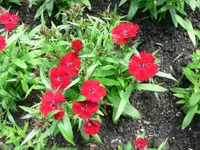
China pink, Dianthus chinensis, is a compact flowering perennial often grown as an annual in gardens and containers. It is part of the carnation group and is valued for its colorful, fringed petals. Native to parts of China and East Asia, it forms low mounds of narrow, grassy foliage topped with many small blooms in shades of pink, red, white, or bi-color. This plant prefers sunny, open sites with well-drained soil and moderate moisture, which makes it relatively easy to manage in most temperate gardens. Its good tolerance of light frost and regular flowering habit help make it straightforward to care for China pink when basic needs are met.

Main Plant Requirements

Care Difficulty

Moderate Care

Light Preference

Full Sun

Water Requirements

Moderate Water

Temperature Preference

Cool Climate

Hardiness Zone

6–9

Soil Texture

Sandy, Loamy, Organic-rich

Soil pH

Acidic (5.5–6.5), Slightly acidic (6.5–7.0)

Soil Drainage

Well-drained

Fertilization

Light (every 4–6 weeks)

Get Personalized Care Plan

Scan your plant to receive care tips personalized for your specific plant

Available on iOS and Android

How to Care for the China pink

This sun-loving perennial blooms best with strong light and moderate protection from harsh heat.

  • Provide 6–8 hours of direct sun daily, ideally with morning sun and light afternoon shade, especially in hot summers.
  • China pink tolerates light partial shade (around 4 hours direct sun) but flowering and compact growth decline with less light.
  • Monitor foliage: pale, floppy stems signal insufficient light, while scorched, crispy leaf tips indicate too much intense afternoon sun.

This species prefers evenly moist but never soggy soil, supported by sharp drainage.

  • Allow the top 2–3 cm of soil to dry before watering, then soak the root zone thoroughly and let excess drain away.
  • In cool or rainy seasons, extend the interval between waterings to avoid waterlogged soil, which promotes root rot in Dianthus chinensis.
  • Watch the plant: yellowing, soft stems suggest overwatering, while dull, drooping, or curling leaves with dry soil indicate underwatering.

This cool-temperate plant thrives in mild conditions and dislikes temperature extremes.

  • Aim for 60–75°F (16–24°C) for active growth, with the best flowering often around 60–70°F (16–21°C).
  • Established plants tolerate brief drops to about 20°F (−6°C) outdoors, but repeated hard freezes or frozen, wet soil can kill crowns.
  • In summer, flowering slows above 85°F (29°C); provide afternoon shade and consistent soil moisture during hot spells to reduce heat stress.

Humidity is rarely a limiting factor for healthy Dianthus chinensis growth.

  • Aim for 30–50% humidity, similar to typical indoor air in many homes.
  • Dry air is usually tolerated, but very hot, dry conditions can crisp leaf tips and margins.
  • If plants show browning edges during heat waves, group pots together or place near a shallow pebble tray with water to slightly raise local humidity.

Dianthus chinensis prefers lean, well-drained soil that never stays waterlogged.

  • Use a sandy or loamy mix, such as 2 parts potting soil, 1 part coarse sand, and 1 part fine gravel or perlite, to keep pores open.
  • Keep pH slightly alkaline to neutral, around 6.5–7.5; avoid very acidic mixes that can reduce vigor and flowering.
  • Mix in a small amount of mature compost for nutrients, but avoid heavy, peat-dominant blends that hold water for too long.
  • In heavy garden clay, create raised beds and incorporate sharp sand or grit throughout the top 15–20 cm to improve drainage and aeration.

This species is well suited to containers on balconies, patios, and small outdoor spaces.

  • Choose a wider, shallow container rather than a deep narrow one to match its fibrous, spreading root system.
  • Select terracotta or other breathable materials if overwatering is a risk, as they allow excess moisture to evaporate faster.
  • Elevate the pot on feet or bricks so drainage holes stay clear and water cannot pool under the container after rain or irrigation.

Balanced feeding supports compact growth and flowering in China pink without creating weak, soft shoots.

  • Use a balanced, water-soluble fertilizer (for example 10-10-10) at half strength every 3–4 weeks during active growth and flowering.
  • Alternatively, mix a small amount of slow-release fertilizer or well-rotted compost into the top 2–3 cm of soil in spring.
  • Skip feeding in winter or dormancy, especially for outdoor plants, to avoid forcing soft, frost-prone growth.
  • Always water before liquid feeding to reduce root burn and avoid applying fertilizer to very dry or stressed plants.

Thoughtful pruning keeps Dianthus chinensis compact, tidy, and flowering longer.

  • Deadhead spent flowers promptly by snipping just above a leaf node to encourage repeat blooming.
  • In mid to late summer, lightly shear the top 2–3 cm of growth to refresh shape and stimulate new buds.
  • Remove dead, diseased, or badly damaged stems whenever noticed, using clean, sharp scissors or hand pruners.
  • Thin congested interior stems to improve airflow, which reduces fungal issues and helps foliage dry faster after rain.

This species is often grown as a bedding annual, so transplanting young plants correctly matters more than frequent repotting.

  • Transplant seedlings or nursery plants in spring after frost when roots lightly fill the plug but are not tightly circling.
  • Choose a sunny, well-drained site or container with drainage holes and a loose, moderately fertile mix.
  • Handle roots gently; tease apart only slightly and water thoroughly after planting to settle soil and reduce stress.
  • For container-grown clumps kept longer than 1–2 seasons, shift to a pot 2–5 cm wider if growth slows or roots crowd.

Dianthus chinensis is commonly propagated from seed and short stem cuttings for uniform, healthy plants.

  • Sow seeds indoors in late winter to early spring at 60–70°F in a bright spot, using a fine, well-drained seed mix.
  • Lightly press seeds into the surface; do not bury deeply, and keep the mix just moist until germination.
  • Take 5–8 cm non-flowering cuttings in late spring, dip bases in rooting hormone, and insert into a gritty, moist medium.
  • Provide bright, indirect light and high humidity around cuttings until roots form, then acclimate gradually to drier air.

This plant is often grown as an annual, but in mild climates it can overwinter as a short-lived perennial with simple measures.

  • In USDA zones around 6–9, many plants survive light to moderate frosts if soil drains well.
  • After flowering finishes in late fall, trim back spent stems, leaving a low, healthy mound of foliage.
  • Apply a light, dry mulch layer 3–5 cm thick around the crown, keeping it just clear of stems to reduce rot risk.
  • Move containers to a sheltered, unheated porch or cool bright indoor area when hard freezes are expected.

Care Tips

Encourage Bushy Growth

Pinch out the soft tips of young stems once plants have 4–6 pairs of leaves to promote branching and create a denser, more floriferous mound.

Timed Deadheading

Remove spent flowers promptly by cutting just above a leaf node, but leave a few blooms at the end of the season if you want self-sown seedlings next year.

Staggered Planting

Sow or plant in 2–3 batches spaced 2–3 weeks apart in spring to extend the overall flowering display and reduce gaps in color.

Mulch Gap Strategy

Keep any organic mulch pulled back 5–8 cm from the plant crowns to prevent stem rot while still suppressing weeds and moderating soil moisture.

Rotate Planting Sites

Change the planting bed every 2–3 years to reduce buildup of soil-borne diseases and pests, which is especially helpful when growing China pink in the same garden for long periods.

Common Pests and Diseases

Fusarium wilt

This disease causes lower leaves to yellow, wilt, and die back, often on one side of the plant, while stems may show brown streaks inside. Symptoms include gradual decline even when soil moisture is adequate.

Solution

Remove and discard affected plants and any nearby plant debris, and avoid replanting China pink in the same spot for several years. Improve drainage, avoid overwatering, and use clean, sterilized tools and fresh potting mix to reduce the spread of Fusarium in Dianthus chinensis plant care.

Alternaria leaf spot

This disease produces small brown to purple spots on leaves that can enlarge and develop lighter centers, sometimes causing premature leaf drop. Symptoms include a speckled, scorched appearance on older foliage in humid or wet conditions.

Solution

Remove and discard affected leaves, keep foliage as dry as possible by watering at soil level, and increase spacing and airflow around plants. In persistent cases, apply a copper-based fungicide according to label directions during prolonged humid or rainy periods.

Bacterial wilt

This disease leads to sudden wilting and collapse of otherwise green plants, often starting with one or two shoots. Symptoms include darkened stem bases and a slimy, water-soaked appearance in the vascular tissue when stems are cut open.

Solution

Immediately remove and dispose of infected plants and surrounding soil if grown in containers, and disinfect tools that contacted the plants. Grow new plants in fresh, well-drained soil, avoid overhead watering, and do not take cuttings from suspect stock to limit spread of the bacteria.

Aphids

These insects cluster on young shoots, buds, and the undersides of leaves, sucking sap and causing curling or distortion. This pest also excretes sticky honeydew that can attract ants or lead to sooty mold growth on foliage and stems.

Solution

Spray plants with a strong stream of water to dislodge colonies, and pinch off heavily infested shoot tips. For ongoing control, apply insecticidal soap or neem oil to all leaf surfaces in the early morning, repeating as needed and targeting the undersides of leaves and flower stems.

Spider mites

These pests are tiny and often hard to see, but they cause fine stippling on leaves, a dull gray-green color, and delicate webbing between stems and foliage in hot, dry conditions. Symptoms include gradual leaf yellowing and drop if colonies become dense.

Solution

Rinse foliage thoroughly with water, including the undersides of leaves, and increase humidity slightly around plants without keeping foliage constantly wet. If populations remain high, use insecticidal soap or horticultural oil, making repeated applications and ensuring full coverage of webbed areas.

Interesting Facts

Natural short-day flowering

China pink typically initiates flowering when days are shorter and temperatures are cool, which is why it often blooms most heavily in spring and fall in temperate climates.

Fringed petal edges

The petals have finely serrated or fringed margins and often display a central eye or zone of contrasting color, a pattern that helps attract specific insect pollinators.

Cold-tolerant life cycle

Although often grown as an annual, this species is technically a short-lived perennial that can overwinter in the ground in many regions if temperatures stay above about 0°F and drainage is good.

Botan icon

Did you know?

In parts of Asia, especially China and Korea, Dianthus chinensis has been cultivated in gardens for centuries and is one of the traditional parent species used in modern hybrid border pinks, contributing both its compact habit and its patterned flower colors to many popular ornamental cultivars.

FAQs about China pink

Lack of flowers often comes from too little light, excess nitrogen fertilizer, or old, spent stems. Provide full sun, avoid heavy feeding, and deadhead faded blooms to redirect energy into new buds and extend the flowering period.

Grow Healthy Plants with Botan Care

Keep your plants happy and healthy with plant identification, disease detection, and easy care guidance.

Botan plant care app — identify plants on mobile

Explore More Plants