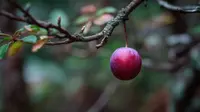
cagaita Care (Eugenia dysenterica)

Also known as: cagaiteira
cagaita

About cagaita

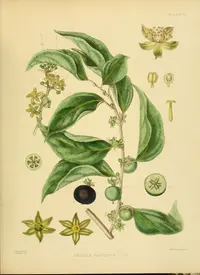
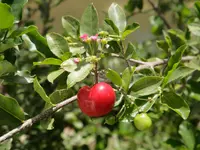
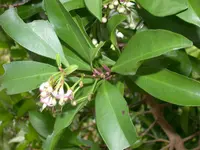
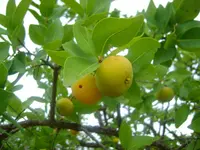
Cagaita, Eugenia dysenterica, is a tropical fruit tree native to the Brazilian Cerrado savanna. It forms a small to medium tree with a rounded crown and simple, glossy leaves. In season it bears small yellow fruits with soft, acidic pulp, commonly eaten fresh or processed into juices and jams. The species is adapted to poor, often sandy soils and marked dry seasons, which can make it surprisingly tolerant of drought once established. However, it dislikes waterlogged conditions and needs good drainage to stay healthy. Understanding how to care for cagaita starts with providing full sun, moderately fertile soil, and steady moisture during its main growth period.

Main Plant Requirements

Care Difficulty

Moderate Care

Light Preference

Full Sun

Water Requirements

Moderate Water

Temperature Preference

Warm Climate

Hardiness Zone

10–12

Soil Texture

Sandy, Loamy, Organic-rich

Soil pH

Acidic (5.5–6.5), Slightly acidic (6.5–7.0)

Soil Drainage

Well-drained

Fertilization

Minimal (feed rarely)

Get Personalized Care Plan

Scan your plant to receive care tips personalized for your specific plant

Available on iOS and Android

How to Care for the cagaita

This Brazilian fruit tree needs strong light to flower and fruit well in most warm climates.

  • Provide 6–8 hours of direct sun daily; morning sun with some light afternoon shade reduces leaf scorch in hot, dry regions.
  • Young cagaita plants benefit from 30–50% filtered shade cloth during the first 1–2 summers to prevent stress and encourage root establishment.
  • In subtropical areas, allow more direct winter sun to compensate for shorter days, and avoid dense shade that leads to sparse growth and poor fruiting.

This species prefers evenly moist, well-drained soil and does not tolerate prolonged waterlogging.

  • Water when the top 3–5 cm of soil feels dry, applying a deep soak so moisture reaches the main root zone rather than frequent shallow splashes.
  • In warm growing seasons, increase watering during dry spells, but in cooler months reduce frequency so the soil stays slightly moist, never saturated.
  • Watch for overwatering signs such as yellowing leaves and soft new growth, and underwatering signs such as dull, curling foliage and premature leaf drop, then adjust watering accordingly.

This cerrado fruit tree thrives in warm, seasonally dry climates and reacts poorly to frost.

  • Aim for 70–90°F (21–32°C) during active growth; short peaks up to 95°F (35°C) are tolerated if soil moisture is adequate and roots are mulched.
  • Avoid temperatures below 40°F (4°C); light frost can damage young shoots, and repeated drops near 32°F (0°C) may kill young Eugenia dysenterica plants.
  • In regions with cool winters, site the tree in a warm microclimate, sheltered from cold winds and low-lying frost pockets, to reduce cold injury.

This species grows well in warm conditions and prefers moderate air humidity.

  • Aim for 40–60% humidity; it tolerates brief dips lower but may grow more slowly in very dry air.
  • Dry tips on young leaves and increased leaf drop signal humidity stress in cagaita, especially in heated rooms.
  • Increase humidity with a nearby tray of water and stones or clustered plants, rather than misting leaves directly.

Eugenia dysenterica prefers a sandy to loamy, well-aerated substrate that drains quickly yet holds some moisture.

  • Use a mix of roughly 50% sandy or loamy topsoil, 30–40% coarse sand, and 10–20% compost to mimic its native savanna soils.
  • Ensure fast drainage with added coarse material such as perlite or fine gravel so water never pools around the roots.
  • Keep pH slightly acidic to neutral, about 5.5–7.0, since strongly alkaline soil can limit nutrient uptake and slow growth.
  • Avoid heavy clay, compacted, or waterlogged substrates, which quickly cause root decline and increased disease risk.

This species can be grown in containers when given enough root space and careful moisture management.

  • Choose a deep, heavy pot so the developing woody root system is stable in wind and less likely to tip as the canopy enlarges.
  • Use a tall, free-draining container profile to keep the lower root zone airy while the upper substrate stays evenly moist.
  • Position the pot slightly elevated on feet or blocks so drainage holes remain unobstructed and excess water exits rapidly.

This cerrado fruit tree benefits from light, balanced feeding in cultivation, though wild cagaita often grows on poor soils.

  • Use a balanced slow-release fertilizer (around 10-10-10) or well-aged compost mixed into the root zone in early spring.
  • Feed container plants every 6–8 weeks during the warm growing season; outdoor trees in the ground need much less.
  • Apply at half the label rate or slightly lower to avoid excessive vegetative growth and salt buildup.
  • Stop or greatly reduce feeding in late fall and winter, when growth slows or pauses.

Pruning Eugenia dysenterica is useful for shaping young trees and maintaining healthy, well-lit crowns.

  • Carry out main pruning at the end of winter or very early spring, before strong new growth starts.
  • Remove dead, diseased, crossing, or inward-growing branches to improve airflow and light penetration.
  • Shorten overly long shoots to maintain a balanced framework and manageable height for easier harvest.
  • Use clean, sharp bypass pruners or loppers, making smooth cuts just above buds or branch collars.

This species is usually grown in the ground, so focus on careful transplanting from nursery containers to permanent sites.

  • Transplant when roots lightly circle the pot or growth slows despite good care, typically every 1–2 years in youth.
  • Choose late spring or early summer, once frost risk has passed and soil is warm and workable.
  • Handle the rootball gently, loosening only lightly; prune damaged roots but avoid heavy root disturbance.
  • Plant at the same soil level, water thoroughly, then maintain even moisture and temporary light shade to reduce stress.

Reproducing Eugenia dysenterica is mainly done by seeds, which germinate best when fresh and warm.

  • Collect ripe fruits, remove pulp, and sow cleaned seeds soon after harvest for highest viability.
  • Sow in a well-drained, slightly acidic mix, keeping it evenly moist and warm at 77–86°F.
  • Provide bright, indirect light and maintain high humidity until seedlings establish sturdy root systems.
  • Semi-hardwood cuttings are possible but root slowly; use rooting hormone, bottom heat, and very free-draining media.

This subtropical tree has low frost tolerance and needs protection in regions with cold winters.

  • In the ground, add a 5–8 cm mulch layer over the root zone, keeping it slightly away from the trunk.
  • Wrap young trunks with breathable frost cloth or burlap during predicted freezes to limit tissue damage.
  • Grow container plants in large pots that can be moved indoors to a bright, cool, frost-free space for winter.

Care Tips

Encourage Deep Roots

During the first 2–3 years, space irrigations slightly wider apart but water more deeply to encourage a strong taproot that helps the tree tolerate seasonal drought and wind exposure.

Mulch For Cooler Soil

Apply a 5–8 cm layer of coarse organic mulch around, but not touching, the trunk to keep the shallow feeder roots cooler, reduce weed competition, and stabilize soil moisture in hot, dry seasons.

Protect From Windburn

In exposed sites, install a simple windbreak net or plant on the leeward side of a building or hedge to reduce leaf scorch, flower loss, and fruit drop caused by hot, dry winds.

Optimize Fruit Set

For better fruiting, avoid heavy pruning in late winter and early spring and, where possible, plant at least 2 genetically different seedlings nearby to improve cross-pollination and overall yield when growing cagaita.

Monitor For Soil Crusting

In compact or bare soils, lightly loosen the top 1–2 cm around the dripline with a hand fork after heavy rains to break crusting and improve air and water penetration to the fine roots.

Common Pests and Diseases

Fruit fly infestation

These insects lay eggs in ripening fruits, and larvae feed inside, causing soft spots, internal breakdown, and premature fruit drop. Symptoms include tiny puncture marks on the skin and maggot-infested pulp.

Solution

Collect and destroy infested and fallen fruits daily, use fine mesh bags or netting to physically protect developing fruits, and hang lure or bait traps around trees to reduce adult populations. Maintain good orchard hygiene and avoid leaving fallen fruit on the ground to break the pest cycle when growing cagaita outdoors.

Fruit anthracnose

This disease causes dark, sunken lesions on developing and ripe fruits, often with concentric rings and orange to pink spore masses in humid conditions. Symptoms include mummified fruits that remain attached to the tree.

Solution

Prune to open the canopy and improve airflow, remove and discard infected fruits and twigs, and avoid overhead irrigation that wets foliage and fruit for long periods. Apply a copper-based or other labeled fungicide during wet, warm periods if disease pressure is high, following local guidelines.

Leaf spot

This disease produces small, circular to irregular brown spots on leaves that may merge into larger necrotic areas, sometimes with yellow halos. Symptoms include premature leaf drop and a thinner canopy in severe cases.

Solution

Rake and discard fallen leaves, prune dense interior branches to increase light and air movement, and water at soil level to keep foliage dry. In recurrent cases, use a registered broad-spectrum fungicide during the rainy season, rotating modes of action to reduce resistance risk.

Scale insects

This pest appears as small, immobile bumps on stems, twigs, and leaf undersides, often covered with a waxy or hard shell. This pest sucks sap, causing yellowing leaves, stunted growth, and sticky honeydew that can lead to sooty mold.

Solution

Physically remove light infestations with a soft brush or cloth and prune heavily infested twigs. Encourage natural predators, and when needed, apply horticultural oil or insecticidal soap thoroughly to stems and leaf undersides, repeating at label intervals to target new crawlers.

Mite infestation

These pests are tiny arachnids that feed on leaf tissue, leading to fine stippling, bronzing, and possible webbing on the undersides of leaves. Symptoms include dull, discolored foliage and reduced vigor, especially during hot, dry weather.

Solution

Spray foliage with a strong jet of water to dislodge mites, increase humidity around the plant, and avoid water stress. For persistent infestations, use a horticultural oil or a miticide labeled for edible fruit trees, ensuring thorough coverage of leaf undersides and repeating as directed.

Interesting Facts

Cerrado specialist

This species is native to Brazil’s cerrado savanna and is adapted to highly seasonal climates with a pronounced dry season and nutrient-poor, often acidic soils.

Fire-tolerant shrub

The plant has a deep root system and thick bark that help it survive frequent natural fires in the cerrado, allowing it to resprout after above-ground parts are damaged.

Edible tart fruit

Its yellow, thin-skinned berries are sour to slightly sweet, and in its native range they are eaten fresh or used in juices, ice creams, and preserves due to their aromatic pulp.

Botan icon

Did you know?

Genetic and field studies show that this species often relies on wild animals such as birds and mammals to disperse its seeds over long distances, linking its natural regeneration closely to the conservation of cerrado fauna.

FAQs about cagaita

This tree has a moderate growth rate. In suitable warm climates, young plants usually add about 20–40 cm of height per year, slowing as they mature. Growth is faster in deep, well-drained soils with consistent moisture.

Grow Healthy Plants with Botan Care

Keep your plants happy and healthy with plant identification, disease detection, and easy care guidance.

Botan plant care app — identify plants on mobile

Explore More Plants