trident maple Care (Acer buergerianum)

Also known as: three-toothed maple, Chinese Maple
trident maple

About trident maple

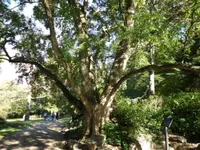
Trident maple, Acer buergerianum, is a small to medium deciduous tree valued for its fine branching and attractive three-lobed leaves. It is often grown as a landscape tree and is very popular for bonsai. In nature it occurs in China, Taiwan, and parts of Japan, usually on hillsides and forest edges. In gardens it forms a compact, well-structured crown and develops strong surface roots over time. This species is considered adaptable and relatively forgiving, which makes it suitable for growers with some basic experience learning how to care for trident maple. It prefers sun to light shade, moderate moisture, and well-drained soil.


Main Plant Requirements

Care Difficulty

Moderate Care

Light Preference

Full Sun

Water Requirements

Moderate Water

Temperature Preference

Cold Hardy

Hardiness Zone

5–9

Soil Texture

Sandy, Loamy, Clay

Soil pH

Acidic (5.5–6.5), Slightly acidic (6.5–7.0)

Soil Drainage

Moist but well-drained

Fertilization

Minimal (feed rarely)

Get Personalized Care Plan

Scan your plant to receive care tips personalized for your specific plant

Available on iOS and Android

How to Care for the trident maple

This deciduous maple prefers bright outdoor light with some protection from harsh conditions.

  • Provide 4–6 hours of direct morning sun with light afternoon shade to reduce leaf scorch, especially in hot summers.
  • Tolerates light to moderate partial shade, but too little sun leads to sparse branching and dull fall color in trident maple.
  • In cooler climates it can handle full sun; in heatwaves, use shade cloth or plant where nearby trees or buildings give filtered afternoon light.

This species prefers evenly moist, well-drained soil rather than cycles of drought and saturation.

  • Water when the top 3–5 cm of soil feel dry, soaking the root zone deeply instead of giving frequent shallow splashes.
  • In spring and summer, check moisture more often during hot, windy periods; reduce watering in fall and keep soil just slightly moist in winter for Acer buergerianum.
  • Watch for wilting, crisp leaf edges, and dry soil as signs of underwatering, and yellowing leaves, soft new growth, or soggy soil as signs of overwatering or poor drainage.

This hardy maple grows best in temperate outdoor conditions with distinct seasons.

  • Active growth is strongest around 60–80°F (16–27°C), with good development of shoots and leaves in spring and early summer.
  • Mature trees tolerate winter lows near 0°F (−18°C) once established, but young plants benefit from protection from severe frost and drying winter winds.
  • In hot climates, short periods up to 90–95°F (32–35°C) are tolerated if soil moisture is stable; prolonged extreme heat can cause leaf scorch and stress.

This species tolerates a fairly wide humidity range and rarely needs special humidity management outdoors.

  • Target 40–60% humidity, which is typical of most outdoor conditions in temperate regions.
  • Trident maple handles short dry spells, but prolonged very dry air combined with heat can crisp leaf edges and tips.
  • If air is unusually dry, increase local humidity by mulching the root zone and avoiding hot, reflected surfaces such as bare concrete.

Acer buergerianum prefers moderately moist, well‑structured mineral soil with strong drainage and good aeration.

  • Use a loamy mix with 40–60% mineral soil, 20–30% composted organic matter, and 10–20% coarse components such as pumice, perlite, or bark chips.
  • Aim for slightly acidic to neutral pH around 6.0–7.0 to support nutrient availability and root health.
  • Improve drainage and oxygen around roots by incorporating coarse sand or small grit in heavier clay-based garden soils.
  • Avoid compacted, waterlogged, or peat-heavy mixes that stay soggy, as these encourage root rot and weak growth.

This maple is well suited to container growing, including bonsai and patio specimens.

  • Choose a wide, stable container to counterbalance the relatively dense canopy and reduce tipping in wind.
  • Use a slightly deeper pot than typical bonsai trays when young to allow stronger root development before refinement.
  • Select heavier materials such as ceramic or concrete if the site is exposed, as they buffer moisture swings and add stability.

Balanced feeding supports healthy growth and foliage color in Acer buergerianum, especially in containers or poor soils.

  • Use a balanced slow-release fertilizer (e.g., 10-10-10) or well-rotted compost at the start of spring growth.
  • Feed container-grown trident maple every 4–6 weeks in spring–summer with a half-strength, balanced liquid fertilizer.
  • Reduce or stop fertilization in late summer so shoots harden before winter dormancy.
  • Always water before applying fertilizer and avoid placing granules directly against the trunk.

Thoughtful pruning helps Acer buergerianum maintain a stable structure and attractive branching.

  • Carry out structural pruning in late winter to early spring, before bud break.
  • Remove dead, damaged, crossing, or congested branches first to improve airflow and light penetration.
  • Shorten overly long shoots to refine shape, especially for bonsai or small garden specimens.
  • Use sharp, clean bypass pruners and make smooth cuts just outside the branch collar.

Container-grown or young landscape Acer buergerianum benefit from occasional transplanting to maintain root health.

  • Look for roots circling the pot, slow growth, or quick drying soil as signs the tree needs a larger container or planting spot.
  • Plan repotting or transplanting for early spring, just before buds swell, to minimize stress.
  • For pots, move up 1 container size every 2–4 years, gently teasing out circling roots and trimming damaged ones.
  • Water thoroughly after transplanting, keep soil evenly moist, and provide wind protection until new growth resumes.

New Acer buergerianum plants are typically produced from seed or semi-hardwood cuttings.

  • Collect ripe seeds in autumn, stratify them cold and moist for 60–90 days, then sow in a free-draining mix.
  • Take semi-hardwood cuttings in mid to late summer, 8–12 cm long, with 2–3 nodes each.
  • Dip cut bases in rooting hormone and place in a humid, bright, indirect light environment at 68–75°F.
  • Air layering on selected branches in late spring can yield well-rooted plants within one growing season.

Mature Acer buergerianum is generally cold hardy in suitable climates and needs only modest winter care.

  • Apply 5–8 cm of organic mulch around the root zone in late fall, keeping it away from direct trunk contact.
  • For very young trees or marginal climates, wrap the lower trunk with a breathable tree guard to limit frost damage.
  • Move container plants into a sheltered, unheated garage or cold frame where temperatures remain above about 20–25°F.

Care Tips

Root pruning schedule

For container or bonsai specimens, plan structural root pruning every 2–4 years in late winter, removing no more than 30% of the root mass and immediately repotting into fresh, well-drained mix to maintain vigor and fine ramification.

Trunk and branch wiring

For bonsai training, apply aluminum wire to young branches and the trunk in late spring when growth is flexible, checking every 2–3 weeks and removing or adjusting the wire before it bites into the bark to avoid permanent scarring.

Leaf size control

To reduce leaf size and increase ramification on established, healthy bonsai, perform partial defoliation after the first flush hardens (removing roughly half the leaves per shoot), then protect from intense sun while new, smaller leaves develop.

Autumn color enhancement

For stronger fall color, avoid high-nitrogen feeding from late summer onward and ensure the plant receives full morning sun with cooler night temperatures, keeping soil evenly moist but not saturated as leaves begin to turn.

Winter wind protection

In cold regions, place container-grown trees in a sheltered, unheated area out of prevailing winter winds and insulate pots with mulch or foam to protect the fine feeder roots while still allowing proper dormancy for growing trident maple.

Common Pests and Diseases

Verticillium wilt

This disease is caused by soil-borne fungi that invade the water-conducting tissue, leading to progressive branch dieback. Symptoms include wilting leaves on one side of the tree, yellowing, and brown streaks in the sapwood.

Solution

Remove and destroy affected branches well back into healthy wood and disinfect pruning tools between cuts. Do not replant maples in the same soil, improve soil drainage and organic matter, and keep the tree well watered but not waterlogged to reduce stress, as there is no effective curative treatment once infection is established.

Leaf scorch

This disorder is linked to environmental stress rather than pathogens and is common in hot, dry, or windy conditions. Symptoms include browning and crisping of leaf margins, especially on exposed sides, while veins may remain green.

Solution

Provide consistent soil moisture through deep, infrequent watering and a 5–8 cm layer of organic mulch, keeping it away from the trunk. Offer light afternoon shade in hotter climates, avoid heavy fertilization during heat, and reduce reflected heat from nearby pavement or walls to stabilize Acer buergerianum care instructions.

Powdery mildew

This disease appears as white to gray powdery coating on leaves, often in shaded or poorly ventilated areas. Symptoms include distorted new growth and premature leaf drop when infections are heavy.

Solution

Improve air circulation around the canopy by selective thinning and avoid overhead watering that keeps foliage damp for long periods. Remove and dispose of heavily infected leaves, and if needed apply a labeled horticultural oil or potassium bicarbonate spray during early infection periods, following product directions carefully.

Scale insects

These insects attach to twigs and branches as small, dome-shaped or shell-like bumps and suck sap from the plant. Symptoms include sticky honeydew, sooty mold growth, and gradual weakening of shoots or branch dieback in severe cases.

Solution

Prune out heavily infested twigs and dispose of them, then scrub remaining colonies gently with a soft brush and soapy water on smaller trees. For larger specimens, apply horticultural oil during dormant or early growing season to smother overwintering scales, and encourage natural predators such as lady beetles by limiting broad-spectrum insecticides.

Gall mites

These microscopic pests cause abnormal leaf growths or blisters, often red or green galls on the upper leaf surface. Symptoms include distorted foliage that may look unsightly but usually causes limited long-term damage to established trees.

Solution

Rake and dispose of fallen, affected leaves in autumn to reduce overwintering mites. Chemical control is rarely necessary; focus on overall tree vigor through proper watering, mulching, and avoiding unnecessary pruning or high-nitrogen fertilizers that stimulate tender, susceptible growth.

Interesting Facts

Trident leaf shape

Its common name comes from the distinctive three-lobed leaves that often show a clear central lobe with two shorter side lobes, resembling a three-pronged trident. This shape is more consistent and less deeply divided than many other maples, which helps in quick field identification.

Remarkable bark adaptation

Mature trees can develop a flaky, peeling bark that reveals patches of differently colored tissue underneath. This layered bark helps protect the trunk from physical damage and temperature fluctuations in its native habitats of eastern China and nearby regions.

Exceptional bonsai candidate

This species is one of the most widely used maples in bonsai because it backbuds readily, tolerates regular root pruning, and has naturally small, proportionate leaves. Its fine branching structure and good wound-healing response allow detailed shaping over many years.

Botan icon

Did you know?

In several parts of East Asia, old trident maples are traditionally planted along temple approaches and historic streets because their dense, compact crowns tolerate repeated pruning while still providing stable shade and strong root systems that help bind and protect roadside soils.

FAQs about trident maple

Yellowing leaves often result from root stress, overwatering, compacted soil, or nutrient deficiency, especially low nitrogen or iron. Check drainage, avoid waterlogged soil, and correct nutrition. In autumn, uniform yellowing is usually normal seasonal color change.

Grow Healthy Plants with Botan Care

Keep your plants happy and healthy with plant identification, disease detection, and easy care guidance.

Botan plant care app — identify plants on mobile

Explore More Plants