buko Care (Gnetum gnemon)

Also known as: Belinjau
buko

About buko

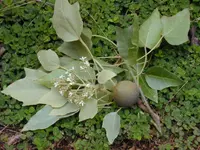
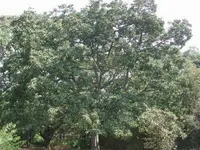
Buko, or Gnetum gnemon, is a tropical tree grown for its edible seeds and young leaves, often used in Southeast Asian cooking. It has a straight trunk, smooth bark, and dense, glossy foliage that forms a rounded canopy.

In nature it occurs in lowland rainforests and village plantings from Indonesia and the Philippines to Papua New Guinea. It prefers warm, humid conditions, regular moisture, and fertile, well-drained soil.

The species can be slow to establish and needs stable warmth, so it is easier in tropical climates than in temperate gardens. Understanding how to care for buko starts with providing consistent heat and protection from cold winds.

Main Plant Requirements

Care Difficulty

Moderate Care

Light Preference

Partial Sun

Water Requirements

Regular Water

Temperature Preference

Tropical / Frost Sensitive

Hardiness Zone

11–12

Soil Texture

Loamy, Sandy, Organic-rich

Soil pH

Acidic (5.5–6.5), Slightly acidic (6.5–7.0)

Soil Drainage

Moist but well-drained

Fertilization

Minimal (feed rarely)

Get Personalized Care Plan

Scan your plant to receive care tips personalized for your specific plant

Available on iOS and Android

How to Care for the buko

Gnetum gnemon grows best in bright, warm, tropical light conditions with some protection from harsh sun.

  • Provide 4–6 hours of gentle morning sun with light shade or filtered light in the early afternoon, especially in hot climates.
  • Tolerates partial shade (around 50–70% shade), but dense shade reduces growth and fruiting for buko trees over time.
  • Avoid intense, unfiltered midday sun in dry, exposed sites, which can scorch young leaves; use taller plants or shade cloth for protection in summer.

Gnetum gnemon prefers consistently moist, well-drained soil without long dry spells or standing water.

  • Water when the top 3–5 cm of soil feels slightly dry, aiming to keep deeper layers evenly moist but not saturated.
  • Use deep, slow watering so moisture reaches the root zone, then allow excess to drain freely to prevent root rot and sour odor.
  • In cooler or rainy seasons, reduce frequency and watch for yellowing, soft leaves (overwatering) or wilting, crisp leaf edges (underwatering).

This tropical tree needs warm, frost-free conditions to grow and fruit reliably.

  • Aim for 75–88°F (24–31°C) for fastest growth; it can still grow, but more slowly, at 68–75°F (20–24°C).
  • Protect from any temperature below 50°F (10°C); foliage damage and decline often start around 45°F (7°C), and frost can kill young trees.
  • In hot periods above 95°F (35°C), provide extra mulch and light shade to limit heat stress, especially on shallow or exposed sites.

This species prefers warm, moderately humid air but adapts to many home conditions when extremes are avoided.

  • Aim for 50–70% humidity, as prolonged air below 40% can slow growth and increase leaf edge browning.
  • It tolerates brief dry indoor air, but persistent low humidity causes curled, crispy leaf tips and marginal scorch.
  • Increase humidity by grouping plants, placing the pot on a pebble tray with water below the pot base, or running a small nearby humidifier when caring for buko.

Gnetum gnemon prefers deep, moist, well‑aerated soil that drains freely yet holds consistent moisture.

  • Use a loamy mix with 40–50% organic matter such as composted bark or leaf mold, plus coarse sand or perlite for structure.
  • Target a slightly acidic to neutral pH of about 6.0–7.0 to support balanced nutrient uptake and healthy root growth.
  • Improve drainage and aeration by adding 20–30% perlite or pumice and avoiding fine peat‑only mixes that compact around roots.
  • Avoid waterlogged, heavy clay soils or spots where water stands after rain, which promote root rot and stunted growth.

This species can be grown in large containers when provided with enough depth and stable support for its tree‑like form.

  • Choose a tall, heavy pot to anchor the woody trunk and prevent tipping as the canopy gains height and mass.
  • Select a container material that slightly insulates roots, such as thick plastic or glazed clay, to buffer rapid moisture loss in sun.
  • Ensure the container diameter leaves several centimeters of space around the root ball so roots can extend without circling tightly.

Gnetum gnemon benefits from moderate feeding in containers, while in-ground trees in fertile soil often need little extra nutrition.

  • Use a balanced slow-release fertilizer (for example 10-10-10) or well-rotted compost at the start of the warm growing season.
  • Apply granular feed every 3–4 months during active growth, following label rates rather than exceeding them.
  • For liquid products, use at 1/2 strength every 4–6 weeks on young or potted buko plants.
  • Stop or greatly reduce fertilization in cooler months when growth slows, to avoid weak, overly lush tissue.

Pruning Gnetum gnemon is mainly used to manage size, maintain structure, and remove unhealthy wood.

  • Carry out light structural pruning at the end of the dry season or just before strong warm-season growth begins.
  • Remove dead, diseased, storm-damaged, or crossing branches using clean, sharp bypass pruners or a small pruning saw.
  • Thin crowded inner branches to improve airflow and light penetration, which supports healthy foliage and fruiting.
  • Limit heading cuts on main scaffold branches; instead, shorten or remove selected laterals to maintain a balanced canopy shape.

This species is usually grown as a ground-planted tree, so transplanting young Gnetum gnemon is more common than long-term container repotting.

  • Transplant or shift young trees at the start of the warm rainy season to support rapid root establishment.
  • Look for circling roots, roots protruding from drainage holes, or slowed growth as signals that a container-grown plant needs a larger pot or ground planting.
  • Move the plant with as much intact root ball as possible, keeping roots shaded and moist throughout the process to reduce shock.
  • Replant into a hole or container only slightly larger than the root ball, firm gently, water deeply, and provide temporary shade for 1–2 weeks.

Gnetum gnemon is usually propagated from seeds, with vegetative methods used more rarely and requiring controlled conditions.

  • Collect fully ripe seeds and sow them fresh in a well-drained, slightly moist medium at 77–86°F for better germination.
  • Clean the fleshy aril from seeds, sow 2–3 cm deep, and keep the tray shaded with consistent but not waterlogged moisture.
  • Semi-hardwood cuttings may root under high humidity and bottom warmth, but success rates are variable and slower than from seed.
  • Label batches with sowing dates and discard any clearly rotting seeds or cuttings to reduce fungal spread.

This tropical tree is frost-sensitive and needs protection in climates with cool or freezing winters.

  • In regions below USDA zone 11, grow Gnetum gnemon in large containers that can be moved indoors or into a heated greenhouse for winter.
  • Maintain indoor or sheltered temperatures consistently above 55°F, with bright indirect light and reduced watering.
  • For in-ground specimens in marginal climates, use thick organic mulch (7–10 cm) over the root zone to moderate soil temperature.

Care Tips

Early structural staking

Install 2–3 sturdy stakes around young plants and loosely tie the main stems with soft ties to prevent wind rock and encourage a straight, strong trunk that can carry the heavy canopy later on.

Progressive canopy training

As the tree gains height, selectively tip-prune and direct new lateral branches with temporary ties or spreaders so the canopy stays open and evenly spaced, which improves light penetration and reduces branch breakage when fruiting.

Mulch for root stability

Apply a 5–8 cm layer of coarse organic mulch in a wide ring around the root zone, keeping it a few cm away from the trunk, to stabilize soil moisture, keep roots cool, and reduce competition from weeds.

Targeted fruit thinning

On heavily set branches, remove some immature fruit clusters by hand so that remaining fruits develop better size and quality while reducing stress and limb strain on the tree.

Preventive trunk protection

Use a breathable trunk guard or dilute white latex paint on the lower trunk in very hot, exposed sites to reduce sunscald and bark cracking, which helps maintain long-term vascular health when growing buko.

Everything About buko

Common Pests and Diseases

Leaf miner larvae

This pest creates winding, pale tunnels inside young leaves, leading to distorted or prematurely yellow foliage. Symptoms include reduced leaf area and weakened new growth on buko trees.

Solution

Prune and destroy affected leaves as soon as fresh mines are seen, and collect fallen leaves to break the insect life cycle. For heavier attacks, use a targeted systemic insecticide labeled for leaf miners or introduce beneficial parasitoid wasps if available in outdoor plantings.

Scale insects

These insects appear as small, fixed bumps on stems and leaf veins, feeding on sap and causing yellowing, leaf drop, and weak growth. This pest also produces honeydew, which can lead to sooty mold on leaves and fruit.

Solution

Gently scrape or wipe off scales with a cotton pad dipped in diluted alcohol, then wash the plant with water and mild soap. For persistent populations on larger trees, apply horticultural oil during mild weather to smother nymphs, repeating as needed according to label directions.

Fruit borer

This pest bores into developing fruits and seeds, causing premature fruit drop and internal damage that makes seeds unfit for food use. Symptoms include small entry holes, frass (sawdust-like material), and discolored or hollow seeds.

Solution

Collect and destroy all infested and fallen fruits promptly to reduce breeding sites. Use fine mesh bagging on young fruit clusters where practical, and consider pheromone or light traps in outdoor plantings to monitor and lower adult moth populations.

Leaf spot

This disease causes small brown to dark lesions on leaves that may enlarge and coalesce, leading to yellowing and early leaf drop in humid conditions. Symptoms include more severe spotting on older, shaded leaves and during rainy periods.

Solution

Remove and discard heavily spotted leaves and fallen debris to limit reinfection. Improve spacing and airflow, avoid overhead watering, and if the problem recurs in wet seasons, apply a copper- or chlorothalonil-based fungicide labeled for leaf spots on woody plants, following local regulations and label instructions.

Interesting Facts

Edible gymnosperm seeds

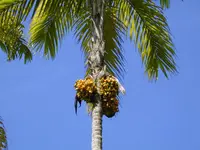
This species produces fleshy seed envelopes that are eaten as a vegetable or snack in parts of Southeast Asia, which is unusual among gymnosperms, a group that typically has dry, non-fleshy seeds.

Leaflike reproductive cones

Its reproductive structures are highly modified cones that resemble small berries, showing an unusual form of cone evolution among gymnosperms and often leading to confusion with true flowering plants.

Important food crop

In Indonesia and neighboring countries, the seeds (often called melinjo) are processed into traditional foods such as emping crackers, making it one of the few gymnosperms cultivated as a significant regional food plant.

Botan icon

Did you know?

Genetic and anatomical studies place this species in Gnetales, a small and evolutionarily intriguing group of gymnosperms that share some superficial features with flowering plants but diverged from them very early in seed plant evolution.

FAQs about buko

The seeds, young leaves, and sometimes the fruit are edible when properly prepared and cooked. They are commonly used in Southeast Asian cuisine. Raw parts can be tough or mildly irritating, so traditional preparation methods are recommended.

Grow Healthy Plants with Botan Care

Keep your plants happy and healthy with plant identification, disease detection, and easy care guidance.


Botan plant care app — identify plants on mobile

Explore More Plants