Hairy Garlic Care (Allium subhirsutum)

Hairy Garlic

About Hairy Garlic

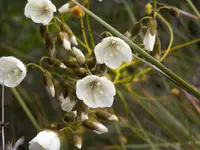
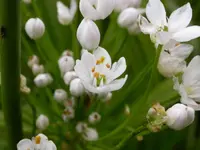
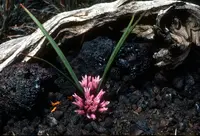
Hairy garlic, Allium subhirsutum, is a small perennial bulb in the onion family, valued for its mild garlic scent and delicate white flowers. It forms loose clumps of narrow, slightly hairy leaves, which give the plant its common name.

This species is native to Mediterranean regions, where it grows in open grasslands, rocky slopes, and light woodland edges. It is generally easy to grow in well-drained soil and suits naturalistic or herb borders.

Good sun exposure and moderate moisture support strong growth, and bulbs usually return reliably each year. Learning how to care for Hairy Garlic mainly involves providing drainage and avoiding very heavy, waterlogged soils.

Main Plant Requirements

Care Difficulty

Easy Care

Light Preference

Full Sun

Water Requirements

Moderate Water

Temperature Preference

Cold Hardy

Hardiness Zone

6–10

Soil Texture

Sandy, Loamy, Rocky

Soil pH

Slightly acidic (6.5–7.0), Slightly alkaline (7.0–7.5)

Soil Drainage

Well-drained

Fertilization

Minimal (feed rarely)

Get Personalized Care Plan

Scan your plant to receive care tips personalized for your specific plant

Available on iOS and Android

How to Care for the Hairy Garlic

Allium subhirsutum prefers bright conditions similar to other hardy ornamental alliums.

  • Provide 6–8 hours of direct sun daily; morning sun with light afternoon shade suits Hairy Garlic in hot summers.
  • In mild coastal or northern climates, full sun all day promotes compact growth and abundant flowering.
  • In hotter inland areas, give 4–6 hours of morning sun plus bright, filtered light later to reduce leaf scorch and premature yellowing.

Allium subhirsutum prefers slightly dry, fast-draining conditions rather than constant moisture.

  • Water in-ground plants only when the top 3–5 cm of soil feels dry, letting water soak in deeply, then drain away fully.
  • Use sharply drained, gritty or sandy soil to prevent bulb rot; soggy spots or standing water indicate poor drainage for Allium subhirsutum.
  • Reduce watering markedly after flowering when foliage begins to yellow; wrinkling, floppy leaves suggest underwatering, while mushy bulbs or a sour smell indicate overwatering.

This species is a cool-season bulb that tolerates mild winter cold and moderate summer heat.

  • Active growth and flowering are best in 55–70°F (13–21°C), typical of cool spring conditions.
  • Dormant bulbs tolerate down to about 20°F (−6°C) in well-drained soil; mulch lightly in colder regions to buffer freeze–thaw cycles.
  • Established clumps handle summer highs to about 85–90°F (29–32°C) if soil stays relatively dry; prolonged heat above this can shorten their life span and flowering performance.

Humidity is rarely critical for Allium subhirsutum, which generally thrives in typical outdoor air.

Allium subhirsutum prefers light, free-draining soil that mimics its native Mediterranean habitats.

  • Use sandy or sandy-loam soil with moderate organic matter to prevent compaction around the bulbs.
  • Aim for slightly acidic to neutral pH, roughly 6.0–7.0, for stable nutrient availability.
  • Mix in sharp sand or fine grit to increase drainage and aeration, especially in heavier native soil.
  • Avoid clay-heavy, waterlogged, or peat-dominant substrates that retain prolonged moisture around bulb bases.

This species is suitable for container growing when bulbs receive sharp drainage and adequate root depth.

  • Choose a pot at least 20–25 cm deep so bulbs can sit several centimeters below the rim with space for roots to spread downward.
  • Select a heavier material like terracotta or ceramic to keep tall flower stalks from tipping the container in wind.
  • Raise the pot slightly on feet or bricks to keep drainage holes clear and speed runoff after heavy rain.

This bulb needs only light feeding to support foliage and flowering.

  • Apply a balanced liquid fertilizer at 1/2 strength every 4–6 weeks during spring active growth.
  • Alternatively, mix a small amount of slow-release balanced NPK into the topsoil at the start of the season.
  • Use thin compost mulch around clumps of Hairy Garlic, keeping it off the bulbs themselves.
  • Stop feeding once leaves begin to yellow and the plant enters dormancy.

Pruning needs for Allium subhirsutum are minimal and mostly hygienic.

  • In late spring or early summer, remove spent flower stalks at the base to keep clumps tidy.
  • Cut only clearly yellowing or damaged leaves, leaving healthy foliage to feed the bulbs.
  • Use clean, sharp scissors or hand pruners to avoid tearing the soft leaf tissue.
  • Do not shear foliage low; allowing leaves to die back naturally supports better flowering next season.

This bulbous species is usually grown in the ground and only occasionally needs transplanting or division.

  • Plan transplanting or lifting for late summer to early fall, once foliage has fully died back.
  • Look for crowded clumps, reduced flowering, or bulbs pushing to the soil surface as signs it needs division.
  • Every 3–4 years, lift bulbs carefully, separate offsets, and replant at the same depth in fresh, well-drained soil.
  • Minimize root stress by handling bulbs gently, replanting promptly, and watering lightly once after transplanting.

Allium subhirsutum is most often propagated by division of mature clumps or by seed.

  • Divide established clumps in late summer to early fall after foliage has died back, separating firm, healthy bulbs.
  • Replant divisions at similar depth and spacing in well-drained soil, then water once to settle them.
  • Sow fresh seeds in fall in trays or directly outdoors for natural cold stratification during winter.
  • Keep seed medium barely moist and bright; germination usually occurs in spring, with flowering after several seasons.

This hardy bulb needs little winter care in most temperate climates once established, especially in the ground.

  • In colder regions, apply a 3–5 cm layer of loose mulch over the planting area after soil cools.
  • For containers, use a frost-resistant pot and move it to a sheltered, unheated spot above freezing.
  • Allow dormant bulbs to remain fairly dry in winter, avoiding waterlogged soil that can cause rot.

Care Tips

Bulb Spacing Strategy

Plant bulbs in small clusters with 5–10 cm between bulbs and 15–20 cm between clumps to improve flowering display, air movement, and ease of lifting or dividing later.

Rotate Planting Sites

Shift plantings to a fresh bed every 3–4 years to reduce soil-borne disease and pest buildup, especially in heavy or poorly drained soils.

Timed Foliage Removal

Allow leaves to fully yellow and dry, then cut them cleanly at the base to let the bulb recharge and to keep the planting area tidy without weakening next year’s growth.

Careful Bulb Lifting

When lifting bulbs after foliage dies back, use a fork rather than a shovel and start at least 10–15 cm away from the clump to avoid spearing or bruising the bulbs.

Edible Use Management

If using leaves or flower stalks in the kitchen, harvest from only a portion of plants and avoid taking all foliage from any single clump so the bulbs still have enough leaf area to store energy while growing Hairy Garlic.

Common Pests and Diseases

Allium leaf miner

This pest is a small fly whose larvae tunnel through leaves and into the stems, causing serpentine mines, distorted growth, and weakened plants. Symptoms include yellowing, wilting, and rotting at the base of the leaves.

Solution

Remove and destroy infested foliage and bulbs to break the life cycle, and avoid planting alliums in the same spot the following year. Use fine insect mesh over plants during the main egg-laying periods and time sowing or planting to avoid peak adult activity in spring and autumn where this pest is present.

Onion thrips

These insects are tiny, slender pests that scrape leaf surfaces, leading to silvery streaks, speckling, and gradual leaf yellowing. Heavy infestations can reduce vigor and bulb size.

Solution

Rinse foliage with a strong but controlled stream of water to knock thrips off the plant, and remove heavily damaged leaves. Encourage natural predators, avoid overhead watering that creates long periods of leaf wetness, and if needed apply a targeted insecticidal soap or horticultural oil, ensuring full coverage of leaf bases and undersides.

Downy mildew

This disease produces pale, patchy, or yellow areas on leaves, often with a gray-violet fuzzy growth on the underside in humid conditions. Infected leaves collapse early, reducing bulb strength and flowering.

Solution

Improve airflow by spacing plants properly and avoiding overhead irrigation, especially in the evening. Remove and discard infected leaves, rotate plantings away from previous allium beds for several years, and use only healthy bulbs to limit introduction of the pathogen.

Neck rot

This disease affects the upper bulb and neck area, where tissues soften, become sunken, and may show gray mold growth during storage. Symptoms include a watery or spongy bulb and a characteristic musty odor that develops after harvest.

Solution

Harvest bulbs only when foliage has naturally died back and the outer skins are dry, then cure them in a warm, dry, well-ventilated place before storage. Store bulbs in a cool, dry, well-aerated area, discard any with soft necks, and avoid injuring bulbs during digging and handling to reduce infection sites.

Bulb nematodes

These microscopic roundworms feed within bulbs, causing swelling, distortion, and internal browning that leads to stunted or dead shoots. Symptoms include patchy poor growth in beds and misshapen or spongy bulbs that may split.

Solution

Remove and destroy affected plants and surrounding soil clumps, and avoid replanting alliums in that area for several years. Use clean, certified bulbs, practice strict crop rotation, and keep the soil well-drained; in heavy infestations consider solarizing the soil in warm climates by covering moist ground with clear plastic for several weeks before planting to help reduce nematode levels and support Allium subhirsutum care instructions.

Interesting Facts

Distinctly hairy leaves

This species has softly hairy, linear leaves, which is unusual within the onion genus and gives rise to its common name, hairy garlic.

Mild edible flavor

The bulbs and leaves are edible and have a mild garlic-onion flavor, and they have been traditionally used in Mediterranean cuisine as a wild seasoning herb.

Mediterranean specialist

It is naturally distributed around the central and western Mediterranean Basin, especially in coastal regions and light woodlands, where it flowers in spring with white, star-shaped blooms.

FAQs about Hairy Garlic

Lack of flowering often comes from bulbs being too small, overcrowded, or shaded. Ensure enough sun, avoid excessive nitrogen fertilizer, and divide congested clumps every few years to restore energy for flower production.

Grow Healthy Plants with Botan Care

Keep your plants happy and healthy with plant identification, disease detection, and easy care guidance.

Botan plant care app — identify plants on mobile

Explore More Plants