Rheum compactum Care

Rheum compactum

About Rheum compactum

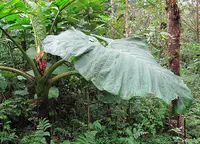
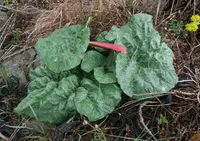
Rheum compactum is a robust perennial herb in the rhubarb genus, valued more for its architectural foliage than for culinary use. It forms dense clumps of large, rounded leaves on thick, upright stalks, giving a bold, structural look in mixed borders. In summer it sends up tall flower stalks with airy clusters of small greenish flowers, which later produce decorative seed heads. This species is native to Central Asia, where it grows in mountain meadows and open slopes. It prefers cool to mild climates, fertile, moisture-retentive but well-drained soil, and open sun to light shade. These traits make it fairly straightforward to grow for gardeners who want to learn how to care for Rheum compactum.

Main Plant Requirements

Care Difficulty

Moderate Care

Light Preference

Full Sun

Water Requirements

Regular Water

Temperature Preference

Cold Hardy

Hardiness Zone

4–7

Soil Texture

Loamy, Clay, Organic-rich

Soil pH

Acidic (5.5–6.5), Slightly acidic (6.5–7.0)

Soil Drainage

Moist but well-drained

Fertilization

Minimal (feed rarely)

Get Personalized Care Plan

Scan your plant to receive care tips personalized for your specific plant

Available on iOS and Android

How to Care for the Rheum compactum

This plant prefers cool, bright conditions with some protection from intense midday sun.

  • Provide 4–6 hours of direct morning sun with light shade or filtered light in the afternoon, especially in warmer regions.
  • Tolerates partial shade (around 3–4 hours of direct or strong dappled light) but stems may lengthen and leaves may be smaller if light is too low.
  • In hot summers, strong sun from midday to late afternoon can scorch leaves of Rheum compactum, so increase shade during heatwaves.

This species prefers consistently moist, but not waterlogged, soil throughout the growing season.

  • Water when the top 3–5 cm of soil feels slightly dry, then soak the root zone deeply so moisture reaches 15–20 cm down.
  • Use rich, well-drained soil and, if needed, add organic matter to improve drainage and reduce the risk of root rot from standing water.
  • In spring and early summer, monitor moisture closely; in cool, rainy periods reduce watering, and in hot, dry spells increase frequency if leaves droop or edges crisp.

This cold-hardy perennial grows best in cool to mild climates with distinct seasons.

  • Optimal active growth occurs around 50–70°F (10–21°C), with strong leaf development in cool spring and early summer conditions.
  • Established plants tolerate winter lows down to about 0–5°F (-18 to -15°C) with mulch over the crown, but young plants need protection from severe freezes.
  • In hot summers, growth can slow above 80–85°F (27–29°C); provide extra shade and soil moisture during heatwaves to prevent stress and leaf scorch.

This species tolerates a wide humidity range and does not need special air moisture management outdoors.

Rheum compactum prefers deep, fertile, moisture-retentive yet free-draining soil to support vigorous foliage and thick roots.

  • Use a loamy soil rich in organic matter, such as garden loam blended with 30–40% well-rotted compost or manure.
  • Ensure drainage remains free by avoiding heavy, compacted clay or waterlogged sites that stay saturated after rain.
  • Aim for slightly acidic to neutral pH around 6.0–7.0, amending very acidic or alkaline ground before planting.
  • Improve aeration and structure by incorporating coarse sand or fine grit into dense soils before establishment.

This species can be grown in containers, but large, deep pots are required for long-term performance outdoors.

  • Choose a container at least 40–50 cm deep so the thick storage roots can develop without bending or constriction.
  • Select a heavy, stable pot material such as thick terracotta or concrete to prevent tipping from tall, leafy growth and wind.
  • Use a moisture-retentive mix with added compost and some coarse grit, and elevate the pot slightly so drainage holes never sit in standing water.

This hardy perennial needs only modest feeding to maintain healthy leaf and stalk growth.

  • Apply a light dressing of well-rotted compost around the crown in early spring to enrich soil organic matter.
  • Use a balanced slow-release fertilizer (around 10-10-10) at half strength once in early spring for established clumps.
  • In long growing seasons, a second light feeding in midsummer can support sustained growth without forcing soft, weak tissue.
  • Stop feeding Rheum compactum in late summer so plants can harden off before winter dormancy.

Pruning is minimal and mainly keeps Rheum compactum tidy and productive.

  • Cut away dead, yellowing, or damaged leaves at the base throughout the growing season using clean, sharp shears.
  • Remove flower stalks as they appear if stronger leaf and stalk production is preferred over seed formation.
  • Thin crowded stems slightly to improve airflow, which can reduce foliar disease risk in damp climates.
  • At season’s end, trim back spent foliage after frost, leaving the crown intact to support strong regrowth.

This species is usually grown in the ground and resents frequent disturbance of its deep taproot.

  • Transplant young plants in early spring or early fall, before strong heat or hard frost, to reduce stress.
  • Move only when necessary, such as poor performance, waterlogging, or severe crowding by neighboring plants.
  • Dig a wide, deep hole, lifting the root system carefully to keep the taproot as intact as possible.
  • Replant at the same depth in fertile, well-drained soil, water thoroughly, then keep evenly moist until growth resumes.

Rheum compactum is most reliably propagated by division or seed under suitable conditions.

  • Divide mature clumps in early spring, when buds are visible but growth is still compact and cool weather prevails.
  • Lift the crown carefully and slice it into sections, each with at least 1–2 healthy buds and strong roots.
  • Replant divisions immediately into deep, fertile, moist but well-drained soil, watering to settle soil around roots.
  • For seeds, provide cold stratification, then sow in a cool, bright spot and keep the medium evenly moist for germination.

This cold-hardy perennial typically needs only light winter management in temperate climates.

  • Tolerates freezing temperatures once dormant, as the crown rests below soil level while foliage dies back.
  • After the first hard frost, cut away collapsed leaves to reduce rot and overwintering pests around the crown.
  • Apply a 5–8 cm layer of loose mulch over the root zone in colder regions to buffer freeze–thaw cycles.
  • Container-grown plants benefit from moving into a sheltered, unheated space where the root ball does not freeze solid.

Care Tips

Staggered harvesting

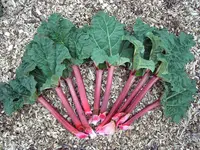
Harvest only the outer, largest stalks in small batches from multiple plants, leaving at least half the foliage intact so the crown can keep building reserves for the next season.

Crown mulching strategy

Apply a 5–8 cm ring of composted mulch around but not touching the crown each spring to conserve moisture, suppress weeds, and gradually improve the heavy soil structure this species prefers.

Bolt management

Remove emerging flower stalks promptly at the base if the goal is leaf and petiole production, since flowering diverts energy away from stalk size and overall vigor when growing Rheum compactum.

Slug and snail barriers

Set up physical barriers such as copper tape around beds or rough, dry mulch bands and combine them with night-time hand picking to protect the large young leaves from severe slug and snail damage.

Winter crown protection

In cold climates, cover the dormant crown after hard frost with a loose layer of straw or coarse mulch and then remove most of it in early spring so new shoots can emerge without rotting or deforming.

Common Pests and Diseases

Rhubarb leaf spot

This disease causes small, reddish-brown spots on leaves that can merge into larger dead patches, often starting on older foliage in cool, wet weather.

Solution

Remove and discard affected leaves, keep foliage as dry as possible by watering at soil level, and improve spacing and airflow; in areas with repeated issues, apply a copper-based fungicide early in the season according to label directions as part of broader Rheum compactum care instructions.

Rhubarb crown rot

This disease leads to soft, water-soaked, brown tissue at the crown and base of the petioles, often accompanied by collapse of stems in wet or poorly drained soils.

Solution

Dig out and discard affected crowns, improve drainage by raising beds or amending soil with coarse material, avoid overwatering, and replant only healthy divisions in a well-drained site that does not stay saturated.

Rhubarb curculio

This pest is a large, dark weevil that creates feeding scars and punctures on stalks and leaf bases, sometimes causing oozing sap and entry points for disease.

Solution

Hand-pick and destroy adult weevils when seen, remove nearby wild dock or related weeds that host the insects, and cut out and discard heavily damaged stalks to reduce breeding sites.

Slugs and snails

These pests chew irregular holes in leaves, especially on young, tender growth, and often leave slime trails on or around the plant.

Solution

Reduce hiding places such as dense mulch directly around crowns, hand-pick at night or use shallow beer traps, and place iron phosphate slug baits around but not touching the crowns following label guidance.

Powdery mildew

This disease produces a white, powdery coating on upper leaf surfaces, leading to reduced vigor and premature leaf decline in late summer, especially in dense, shaded plantings.

Solution

Remove and dispose of heavily infected leaves, increase sun exposure and airflow where possible, water at soil level rather than overhead, and use a labeled sulfur or potassium bicarbonate spray at first signs if the problem recurs yearly.

Interesting Facts

Central Asian native

This species is naturally distributed in Central Asia, especially in highland and subalpine zones of Kazakhstan, Kyrgyzstan, and surrounding regions, where it grows on mountain slopes and rocky grasslands.

Robust perennial rhubarb

It forms a strong, deep rootstock and large leaf rosettes that allow the plant to survive cold winters and resprout annually in harsh continental climates.

Edible but little cultivated

The young petioles are edible and sour like common rhubarb, and in parts of Central Asia it has been collected traditionally as a wild vegetable, but it is rarely grown as a formal crop compared with culinary rhubarb hybrids.

Botan icon

Did you know?

Rheum compactum is considered regionally threatened or declining in parts of its native range due to overharvesting and habitat disturbance, and in some Central Asian countries it appears on national red lists, which has led to local conservation attention for this wild rhubarb species.

FAQs about Rheum compactum

Lack of flowering usually results from plants being too young, overcrowded, or shaded. Insufficient winter chill, heavy spring feeding with high-nitrogen fertilizer, or recent division can also reduce flower production for several seasons.

Grow Healthy Plants with Botan Care

Keep your plants happy and healthy with plant identification, disease detection, and easy care guidance.


Botan plant care app — identify plants on mobile

Explore More Plants