Water caltrop Care (Trapa natans)

Also known as: water chestnut, Jesuit's nut, European water chestnut, water nut
Water caltrop

About Water caltrop

Water caltrop (Trapa natans) is a floating aquatic plant grown mainly for its unusual horned fruits and attractive rosettes of glossy leaves. It anchors in mud with long, flexible stems while its leaf rosettes spread across still or slow-moving water. Native to parts of Europe, Asia, and Africa, it now grows in ponds, lakes, and calm waterways in many regions and can become invasive in suitable climates. The plant prefers full sun, nutrient-rich muddy substrates, and consistently still, shallow water. Its vigorous growth and specific water needs make it easy in managed ponds but unsuitable for small indoor containers, so it is important to understand how to care for Water caltrop before planting.

Main Plant Requirements

Care Difficulty

Moderate Care

Light Preference

Full Sun

Water Requirements

Aquatic

Temperature Preference

Cool Climate

Hardiness Zone

4–8

Soil Texture

Silty, Organic-rich

Soil pH

Slightly acidic (6.5–7.0), Neutral (7.0)

Soil Drainage

Waterlogged tolerant

Fertilization

Minimal (feed rarely)

Get Personalized Care Plan

Scan your plant to receive care tips personalized for your specific plant

Available on iOS and Android

How to Care for the Water caltrop

Floating rosettes of Trapa natans need strong, consistent light to fuel fast growth in still or slow-moving water.

  • Aim for 6–8 hours of direct sun daily in ponds or calm water bodies, with preference for morning to early afternoon light.
  • In very hot regions, provide light shade during intense afternoon sun to limit leaf scorch and overheating of shallow water.
  • In autumn, shorter days slow growth; expect smaller rosettes and fewer flowers, and avoid heavy shading from taller plants or structures.

This aquatic species must grow in stable, standing or very slow-moving water rather than damp soil.

  • Maintain water depth around 30–150 cm so leaves can float; avoid sites that dry out seasonally or fluctuate more than 15–20 cm quickly.
  • Ensure water is low in strong currents; excessive movement or frequent drawdowns stress Trapa natans and can tear roots and rosettes.
  • Watch for yellowing, limp leaves as a sign of poor water quality or stagnation; remove decaying material to limit oxygen depletion and rot.

Temperature strongly influences growth rate, dormancy, and survival of this aquatic annual.

  • Active growth occurs best at 70–86°F (21–30°C), with warm, sunlit shallow water promoting fastest leaf and flower production.
  • Plants tolerate down to about 50°F (10°C) in water, but growth slows sharply; hard frost kills foliage, leaving only seeds to overwinter.
  • Short heat waves up to about 95°F (35°C) are tolerated if water depth is sufficient; very shallow, hot water increases stress and can damage leaves.

This floating aquatic prefers very high humidity since foliage sits just above open water.

  • Aim for 70–100% humidity by keeping leaves over still water in ponds, tubs, or water-filled containers.
  • The plant tolerates brief lower humidity outdoors but may show crispy leaf edges and slower growth if exposed to hot, dry winds.
  • Increase humidity by maintaining full water coverage around the rosette and using windbreaks or surrounding water plants for shelter when caring for Water caltrop.

This species grows rooted in saturated, soft sediment rather than conventional potting soil.

  • Use a heavy, clay-rich or silty loam with high organic matter that forms a stable, mud-like base under water.
  • Ensure the substrate stays fully submerged and waterlogged; avoid gritty, fast-draining mixes that let roots dry or float free.
  • Maintain slightly acidic to neutral conditions, around pH 6.0–7.5, which support nutrient availability and stable growth for Trapa natans.
  • Improve structure by mixing fine clay with decomposed leaf mold or pond compost, avoiding bark-heavy or perlite-heavy media that rise and scatter in water.

This aquatic species is suitable for container growing in large, water-filled tubs or ponds.

  • Choose a wide, low planting basket or tub insert so the floating rosettes can spread without shading themselves excessively.
  • Use a sturdy, weighty container or add rocks to anchor it, preventing tipping as foliage and fruits increase surface drag.
  • Maintain at least 20–30 cm of still water above the substrate to keep roots submerged and reduce temperature and moisture swings.

This floating aquatic, known as Water caltrop, needs only light, targeted feeding in nutrient-poor water.

  • Use a diluted balanced aquatic fertilizer (for example 10-10-10) at 1/4–1/2 strength to avoid algae blooms.
  • Feed every 4–6 weeks during the warm growing season if growth is pale or weak.
  • Avoid granular soil fertilizers; use liquid or tablet products designed for ponds or water gardens.
  • Stop feeding in late fall and during winter dormancy to prevent soft, cold-sensitive growth.

Pruning Trapa natans focuses on controlling spread and maintaining healthy floating rosettes.

  • Trim back excess or crowded rosettes during the warm growing season to keep open water areas.
  • Remove yellowing, damaged, or diseased leaves with clean scissors or pond shears to limit decay in the water.
  • Thin dense patches to improve light penetration and water circulation, which supports stronger growth.
  • Skim off spent flowers and developing fruits if limiting self-seeding and spread is a priority.

Transplanting Trapa natans is mainly done when establishing or thinning plants in ponds or tubs.

  • Plan moves in late spring to early summer once water temperatures are consistently mild.
  • Transplant when stands are overcrowded, growth slows, or rosettes shade each other heavily.
  • Shift plants into wide, shallow baskets with heavy loam, then sink baskets 20–60 cm below the water surface.
  • Handle roots gently, keep them submerged during moves, and re-anchor plants firmly to minimize transplant shock.

Trapa natans is commonly propagated by seeds and by relocating young rosettes.

  • Collect mature, fully dark fruits in late summer to early fall before they decompose or drift away.
  • Stratify seeds in cool, oxygenated water over winter, then allow them to sprout in shallow, sunny containers.
  • Once seedlings produce stable rosettes, move them carefully into their final pond position.
  • For vegetative spread, gently detach and plant robust young rosettes in suitable mud or aquatic baskets.

Winter care for Trapa natans depends on climate and planting method.

  • In cold climates, allow plants to die back while ensuring seeds sink into deeper, unfrozen water.
  • Leave at least part of the pond 40–60 cm deep so overwintering seeds avoid complete freezing.
  • For container ponds in freezing areas, move tubs to a frost-free but cool, bright location.
  • In mild climates, some plants may persist, but growth will slow markedly until spring.

Care Tips

Floating depth control

Use floating planting baskets or perforated crates to keep the rosettes at 5–15 cm below the water surface, adjusting the basket height as the pond level changes so leaves stay at the surface and photosynthesize efficiently.

Nutrient load management

Before placing plants in a pond, reduce excess nutrients by limiting fish feeding and removing decaying debris, which helps prevent algal blooms that can outcompete the plant for light and oxygen.

Seasonal thinning routine

In mid to late summer, thin dense mats by removing whole rosettes with attached nuts from up to 25–50% of the surface area, leaving open water patches to maintain oxygen exchange and prevent self-shading.

Invasive spread control

Install a fine-mesh barrier or net at pond outlets and regularly skim off stray rosettes so seeds and fragments do not move into natural waterways, where the species can become invasive.

Seed storage and pre-soak

Store mature, cleaned nuts in slightly damp sand at 35–45°F over winter, then pre-soak them in dechlorinated water for several days in spring to improve germination when you grow Trapa natans in controlled ponds or tubs.

Common Pests and Diseases

Leaf spot

This disease causes round to irregular brown lesions on floating leaves that may coalesce and lead to tissue breakdown. Symptoms include thinning leaf rosettes and reduced plant vigor, especially in warm, still water.

Solution

Remove and discard heavily spotted leaves to reduce inoculum, and avoid overfertilizing, which can favor pathogen growth. Improve water circulation if possible and use an aquatic-safe copper-based fungicide only when the outbreak is severe and other measures fail, following label restrictions for ponds and wildlife.

Powdery mildew

This disease appears as white to gray powdery patches on the upper leaf surface and petioles, which can cause yellowing and premature leaf death. Symptoms include slower growth and weaker rosettes at the water surface.

Solution

Skim off and discard heavily infected rosettes to lower disease pressure, and maintain good spacing so plants are not overcrowded. Where allowed, apply an aquatic-approved sulfur or bicarbonate fungicide at low rates, and monitor new growth closely as part of Trapa natans care instructions.

Aphids

These insects gather on young leaves and petioles above the waterline, sucking sap and causing curling, distortion, and sticky honeydew deposits. This pest can attract sooty mold on the honeydew, further reducing photosynthesis.

Solution

Physically wash aphids off by dipping or spraying the emergent parts of the plants with a strong stream of clean water away from natural waterways, or remove heavily infested rosettes. Encourage natural predators such as lady beetles in outdoor ponds and use a labeled insecticidal soap that is safe for aquatic settings if nonchemical methods are not sufficient.

Leaf-mining larvae

These insects live inside the leaf tissue, creating pale winding tunnels or blotches that weaken the floating leaves. Symptoms include cosmetic damage at first, but heavy infestations reduce photosynthetic area and buoyancy of the rosettes.

Solution

Collect and remove affected leaves or entire rosettes to physically eliminate larvae before they mature. Reduce dense mats of plants to limit habitat, and if needed use a biological larvicide labeled for aquatic environments to target larvae without harming fish and other non-target organisms.

Interesting Facts

Floating rosette strategy

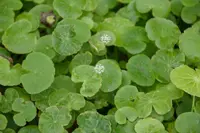
This species forms circular rosettes of leaves that float on the water surface, while its long, flexible stems are anchored in the mud, allowing it to exploit light at the surface and nutrients in the sediment at the same time.

Armored aquatic fruit

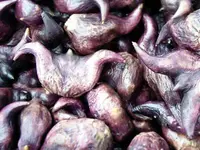
The plant produces hard, woody fruits with sharp, horn-like projections; these buoyant structures help dispersal by water and can remain viable in lake or river sediments for many years.

Notorious invasive behavior

Outside its native range in Eurasia and parts of Africa, this species can form dense surface mats that shade out other aquatic plants and alter oxygen levels, which is why it is listed as a noxious or prohibited species in several US states.

Botan icon

Did you know?

The distinctive horned fruits of this species have been used for centuries as food in parts of Asia, where the seeds are boiled, roasted, or ground into flour and the plant has been deliberately cultivated in ponds and slow-moving waters for seasonal harvest.

FAQs about Water caltrop

The nuts are edible when fully mature and thoroughly cooked, and are used as food in some regions. Raw or undercooked nuts may carry parasites or pathogens, so proper cleaning and boiling or roasting is important.

Grow Healthy Plants with Botan Care

Keep your plants happy and healthy with plant identification, disease detection, and easy care guidance.

Botan plant care app — identify plants on mobile

Explore More Plants