Dwarf Pomegranate Care (Punica granatum 'Nana')

Also known as: Pomegranate
Dwarf Pomegranate

About Dwarf Pomegranate

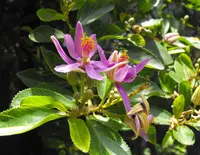
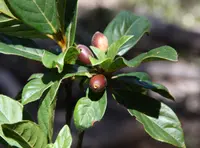
Dwarf pomegranate (Punica granatum 'Nana') is a compact, deciduous shrub grown mainly for its small glossy leaves, bright flowers, and miniature fruit. It stays much smaller than the standard pomegranate, which makes it suitable for containers, patios, and bonsai.

This cultivar comes from the same species as the common pomegranate, which is native to regions from the Middle East to northern India but is now widely cultivated in warm climates. It prefers bright light, moderate watering, and well-drained soil.

Its toughness, tolerance of pruning, and ability to handle short dry spells make it relatively straightforward to manage once established. Understanding how to care for Dwarf Pomegranate helps it flower well and maintain a dense, attractive shape.

Main Plant Requirements

Care Difficulty

Moderate Care

Light Preference

Full Sun

Water Requirements

Moderate Water

Temperature Preference

Warm Climate

Hardiness Zone

7–11

Soil Texture

Sandy, Loamy, Organic-rich

Soil pH

Acidic (5.5–6.5), Slightly acidic (6.5–7.0)

Soil Drainage

Well-drained

Fertilization

Light (every 4–6 weeks)

Get Personalized Care Plan

Scan your plant to receive care tips personalized for your specific plant

Available on iOS and Android

How to Care for the Dwarf Pomegranate

This compact pomegranate shrub thrives in bright, direct light for strong growth and flowering.

  • Provide 6–8 hours of full sun daily; morning sun with some light afternoon shade is ideal in hot summers to limit leaf scorch.
  • The plant tolerates light partial shade (3–4 hours sun), but Dwarf Pomegranate will flower less and become more open or leggy in low light.
  • In late autumn and winter, especially in cooler regions, maximize sun exposure by avoiding shade from buildings or evergreen trees.

This shrub prefers evenly moist, well-drained soil, with brief drying between waterings.

  • Water when the top 3–5 cm of soil feels dry; soak the root zone thoroughly, then let excess drain to avoid standing water.
  • During active growth and flowering in spring–summer, drying will be faster; in cooler or rainy periods, extend the interval between waterings.
  • Watch for pale, yellowing, or dropping leaves as possible signs of water stress in Punica granatum 'Nana' from either waterlogging or prolonged dryness.

This dwarf pomegranate handles a wide temperature range but needs protection from hard frost and extreme heat.

  • Aim for 65–80°F (18–27°C) during active growth for best flowering and fruiting performance.
  • The shrub tolerates brief drops to about 20–25°F (-6 to -4°C) once established but young plants are more frost-sensitive and may need cover.
  • In very hot spells above 95°F (35°C), provide extra mulch and, if possible, light afternoon shade to reduce heat and soil moisture stress.

This shrub tolerates a wide range of household humidity and rarely needs special humidity management.

  • Performs well at 30–50% humidity, matching most heated and air-conditioned homes.
  • Handles dry indoor air but prolonged levels below 25% may cause leaf edge browning and faster leaf drop.
  • If air is extremely dry, place the pot on a pebble tray with water below the pot base to slightly increase local humidity.

Punica granatum 'Nana' prefers a sharply drained, mineral-rich mix that dries relatively quickly between waterings.

  • Use a sandy or loamy mix with 30–50% inert components such as coarse sand, perlite, or fine gravel for fast drainage.
  • Aim for slightly acidic to neutral pH, about 6.0–7.0, which supports balanced nutrient availability and root health.
  • Blend in a modest amount of compost or well-aged bark to provide structure and nutrients without making the mix heavy or waterlogged.
  • Avoid dense, peat-heavy or clay-based substrates that hold water, reduce aeration, and increase the risk of root rot.

This compact shrub is well suited to container growing, including patio and balcony use.

  • Choose a wide, moderately deep pot that allows a spreading root system and reduces the risk of the plant becoming top-heavy in wind.
  • Use a rigid, heavier container material if the plant will be outdoors, so the pot stabilizes the woody branches as they thicken.
  • Select a container shape that leaves space above the soil line for a gravel mulch, which helps limit splash-back on the lower stems during watering.

Fertilizing supports compact growth and flowering in Punica granatum 'Nana', especially in containers.

  • Use a balanced liquid fertilizer (e.g., 10-10-10) at 1/2 strength every 4–6 weeks during spring–summer for Dwarf Pomegranate.
  • Alternatively, apply a slow-release balanced fertilizer once in early spring, lightly mixed into the topsoil.
  • Stop feeding in fall and winter when growth slows or the plant is dormant to avoid weak, leggy shoots.
  • On established outdoor plants in the ground, a thin layer of compost in spring is usually sufficient.

Pruning maintains size, structure, and flower production in Punica granatum 'Nana'.

  • Plan main pruning for late winter to very early spring before active growth resumes.
  • Use clean, sharp bypass pruners to remove dead, damaged, crossing, or inward-growing branches.
  • Shorten long, thin shoots to encourage a dense, bushy habit and more flowering wood.
  • In summer, do light tip-trimming only to refine shape without removing too many flower buds.

Container-grown Punica granatum 'Nana' benefits from periodic repotting to refresh soil and support healthy roots.

  • Check for roots circling the pot, emerging from drainage holes, or slowed growth as signs it needs a larger container.
  • Plan repotting in early spring, every 2–3 years for young plants, less often for mature specimens.
  • Move to a pot 2–5 cm wider, using a well-drained mix; gently loosen circling roots without tearing heavily.
  • Water thoroughly after repotting, keep in bright but not harsh sun for 7–10 days, and avoid heavy feeding until new growth appears.

Punica granatum 'Nana' is commonly propagated from cuttings, which preserve dwarf traits better than seed.

  • Take 8–12 cm semi-ripe stem cuttings in late spring or summer from non-flowering shoots.
  • Remove lower leaves, dip the base in rooting hormone, and insert into a moist, free-draining mix such as perlite and peat or coco coir.
  • Provide bright, indirect light, high humidity, and temperatures around 70–75°F to encourage rooting.
  • Seeds can be sown in warm conditions, but seedlings may not stay dwarf or match the parent plant.

Punica granatum 'Nana' is moderately cold tolerant but needs some winter care, especially in containers or colder regions.

  • In-ground plants in mild climates usually tolerate light frosts once established, down to about 10–15°F with minimal damage.
  • Apply a 5–8 cm mulch layer around the root zone in late fall, keeping mulch a few cm away from the stem base.
  • Move container plants to a bright, cool, frost-free spot indoors or in an unheated garage or greenhouse for winter.

Care Tips

Root restriction potting

Use a slightly snug pot and avoid frequent up-potting to encourage compact growth, heavier flowering, and better fruiting rather than lush, weak foliage.

Flower bud protection

When late cold snaps are forecast, move container plants under shelter or drape with frost cloth overnight to protect emerging buds and young fruit from drop.

Structured branch training

Select 3–5 main shoots and lightly tie them to a small stake or bonsai wire frame to build a balanced framework that resists splitting under the weight of flowers and fruit.

Targeted suckers management

Regularly remove basal suckers and thin out crowded interior shoots so light and air can reach the center, which lowers fungal risk and maintains a tidy shrub outline.

Seasonal outdoor rotation

For Dwarf Pomegranate indoor care, move the plant outdoors to a bright, sheltered spot in late spring and back indoors before night temperatures drop below about 45°F to maintain vigor without cold damage.

Common Pests and Diseases

Aphids

This pest feeds on tender shoots, flower buds, and young leaves, sucking sap and causing distortion, curling, and sticky honeydew that can lead to sooty mold. Infestations are especially common on new growth and developing pomegranate flowers and fruits.

Solution

Spray infested shoots with a strong stream of water to dislodge colonies, then treat remaining insects with insecticidal soap or a ready-to-use neem oil product, covering leaf undersides and shoot tips. Remove or pinch back heavily infested soft tips and repeat treatments every 5–7 days until new growth appears clean, especially when caring for Dwarf Pomegranate in containers or small garden beds.

Whiteflies

These insects gather on the undersides of leaves, especially in warm, sheltered spots, sucking sap and causing yellowing, leaf drop, and sticky honeydew. Disturbed foliage often releases a small cloud of tiny white moth-like adults.

Solution

Hang yellow sticky traps near the plant to monitor and reduce adult numbers, and regularly inspect leaf undersides for eggs and nymphs. Use insecticidal soap or neem oil, applied in the early morning or evening, making sure to wet the undersides of leaves and repeat weekly until populations drop and new leaves remain green and firm.

Leaf spot

This disease produces small brown, tan, or purplish spots on leaves that can enlarge and merge, sometimes leading to premature leaf drop. Symptoms include more pronounced spotting in dense, humid canopy areas with poor air movement.

Solution

Prune to open the canopy and improve airflow, and avoid wetting the foliage when watering, especially in the evening. Remove and discard heavily spotted leaves from the plant and ground, then apply a labeled copper-based fungicide if conditions stay humid and spotting continues, following all product directions carefully.

Fruit rot

This disease affects developing and ripening fruits, causing dark, sunken lesions, cracking, or softened areas that may exude juice and attract insects. Symptoms include internal browning of arils and collapse of affected sections of the fruit.

Solution

Harvest fruit promptly when ripe, remove and discard any rotting or cracked fruits, and keep the area under the plant free of fallen fruit and debris. Improve airflow through light thinning and avoid overhead irrigation on the canopy, using a labeled fungicide only if fruit losses are recurrent and cultural practices alone are insufficient.

Scale insects

These insects appear as small, rounded or oval bumps on stems and the undersides of leaves, often along veins, and they suck sap, leading to yellowing and weakened growth. Heavy infestations may produce honeydew and associated sooty mold on foliage and stems.

Solution

Gently scrape off or prune out heavily infested twigs, and wipe smaller colonies with a cotton pad dipped in diluted alcohol, avoiding tender new growth. For ongoing control, apply a horticultural oil spray during mild temperatures, coating stems and leaf undersides thoroughly, and repeat as needed to target newly hatched crawlers.

Interesting Facts

Naturally dwarf genome

This cultivar is a true genetic dwarf, meaning it stays compact due to its genetics rather than heavy pruning or growth regulators, typically maturing at about 60–120 cm in height in cultivation.

Miniature yet fertile fruit

It produces small, often 2.5–5 cm orange-red pomegranates that contain viable seeds, so it can be used for breeding and seed propagation even though the fruits are mainly ornamental and usually not grown for eating.

Popular bonsai subject

Its fine branching, small leaves, and naturally reduced flowers and fruit size make it a classic choice for flowering and fruiting bonsai, especially among beginners who want to grow Punica granatum 'Nana' in limited space.

Botan icon

Did you know?

Punica granatum 'Nana' was selected and distributed in Europe by the late 19th to early 20th century specifically as a dwarf ornamental form, long before dwarf edible fruit trees became fashionable in home gardens, and it helped establish pomegranates as container and patio plants rather than only orchard trees.

FAQs about Dwarf Pomegranate

Lack of blooms is usually linked to insufficient light, pruning at the wrong time, or excess nitrogen fertilizer. Heavy shade and constant tip pinching remove flowering wood. Moderate feeding and allowing some older stems to develop improves bud formation.

Grow Healthy Plants with Botan Care

Keep your plants happy and healthy with plant identification, disease detection, and easy care guidance.

Botan plant care app — identify plants on mobile

Explore More Plants