Bactris setosa Care

Bactris setosa

About Bactris setosa

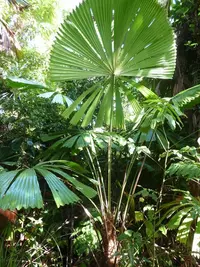
Bactris setosa is a small, clustering palm known for its dense covering of fine black spines on stems, leaf stalks, and fruit clusters. It usually forms thickets rather than a single trunk, giving it a bushy, architectural look.

This species is native to humid forests and river margins in parts of South America, where it grows in warm, consistently moist conditions. Its spines and preference for high humidity and stable warmth make it more challenging for most home growers.

Those who want to care for Bactris setosa should provide bright, filtered light, evenly moist but well-drained soil, and protection from cold, drafts, and handling damage.

Main Plant Requirements

Care Difficulty

Hard Care

Light Preference

Partial Shade

Water Requirements

Keep Soil Moist

Temperature Preference

Tropical / Frost Sensitive

Hardiness Zone

11–12

Soil Texture

Loamy, Sandy, Organic-rich

Soil pH

Acidic (5.5–6.5)

Soil Drainage

Moist but well-drained

Fertilization

Light (every 4–6 weeks)

Get Personalized Care Plan

Scan your plant to receive care tips personalized for your specific plant

Available on iOS and Android

How to Care for the Bactris setosa

This spiny palm prefers bright, filtered light that mimics a lightly shaded tropical forest edge.

  • Provide 3–5 hours of gentle morning sun with dappled or high bright shade the rest of the day, avoiding harsh midday and late-afternoon sun.
  • Tolerates partial shade, but in very deep shade fronds stretch, lose vigor, and may thin; increase light gradually to prevent scorch.
  • In hot summers, use overhead tree cover or shade cloth to diffuse light; in cooler seasons, allow a bit more direct morning sun to support growth.

This species favors consistently moist but never waterlogged soil, with slight surface drying between waterings.

  • In the ground, water when the top 3–5 cm of soil feel barely dry, applying a slow, deep soak so moisture reaches the full root zone.
  • Use a rich, well-drained soil that does not puddle for more than 10–15 minutes; add coarse sand or fine bark if water lingers on the surface.
  • Wilting, crisp leaflet tips, and very dry soil signal underwatering, while yellowing fronds, soft stems, and sour-smelling, soggy soil indicate overwatering.

This palm thrives in warm, frost-free climates with stable temperatures through most of the year.

  • Aim for 70–85°F (21–29°C) for strong growth, with slightly cooler nights; growth slows noticeably below 65°F (18°C).
  • Protect from cold below 45°F (7°C); light frost can damage fronds, and repeated freezes may kill the growing point, so temporary covers or relocation are necessary in cold snaps.
  • It tolerates brief heat up to 95°F (35°C) if soil moisture is steady and humidity is moderate, but in extreme heat provide shade and avoid hot, reflective surfaces near the plant.

This clustering palm prefers consistently humid air to maintain healthy fronds and new growth.

  • Aim for 60–80% humidity; growth slows and leaf tips brown if kept long term below 40%.
  • Dry indoor air causes crisping along leaflet edges and increased spider mite risk on stressed foliage.
  • Increase humidity with a nearby humidifier, grouped plants, or evaporation trays, rather than frequent misting.

This species needs a deep, moisture-retentive yet freely draining medium to support its clumping root system.

  • Use a rich, loamy mix built from roughly 50% composted organic matter, 30% coarse sand, and 20% perlite or fine bark for structure.
  • Ensure rapid drainage while retaining moisture; water should drain within seconds yet the surface should not crust or become compacted.
  • Target a slightly acidic to neutral pH around 6.0–7.0, which supports nutrient uptake and stable root health in Bactris setosa.
  • Avoid heavy clay, waterlogged sites, or peat-only mixes that collapse over time and reduce aeration around the roots.

This palm can be grown in large containers when provided with stable, well-drained conditions.

  • Choose a tall, heavy container to counterbalance the clumping, spiny stems and reduce tipping in wind.
  • Select pots with multiple side and base drainage holes so excess water exits quickly, preventing anaerobic conditions in the root zone.
  • Use a thick, coarse drainage layer only if pot holes are large enough to stay free-flowing, then fill with a deep, evenly textured mix above it.

This palm benefits from light, steady feeding when grown in containers or poor soil.

  • Use a balanced slow-release fertilizer (for example 10-10-10) at half strength at the start of the warm growing season.
  • Supplement with a light application of well-rotted compost around the root zone once per year.
  • During active growth, feed container plants every 8–10 weeks, avoiding heavy doses that can burn roots.
  • In winter or cool dormant periods, pause feeding and resume only when Bactris setosa shows new growth.

Pruning focuses on safety and cleanliness rather than shaping this spiny clumping palm.

  • Late winter to early spring is a suitable time to remove old material before strong new growth.
  • Cut dead, diseased, or storm-damaged fronds at the base with sharp, clean loppers or a pruning saw.
  • Thin only the most crowded stems to improve light and air movement, preserving the natural clump form.
  • Wear thick gloves and long sleeves when working around Bactris setosa to avoid injury from spines.

Transplanting is done infrequently because this palm dislikes major root disturbance.

  • Consider moving Bactris setosa only when growth stalls, roots circle the pot, or roots emerge from drainage holes.
  • Plan transplanting for late spring to early summer when soil is warm and recovery is fastest.
  • Expect to shift container plants every 3–4 years into a pot only 1–2 in wider, using free-draining sandy mix.
  • Handle the root ball gently, keep it intact, water deeply after planting, and shade for 1–2 weeks to reduce stress.

Propagation of this species is usually done from seed and can be slow and technical.

  • Collect fresh ripe seed from healthy Bactris setosa plants and clean off all fruit pulp to limit rot.
  • Sow in a very well-drained, sterile mix and maintain warm conditions around 77–86°F with high humidity.
  • Germination may take several months, so label containers clearly and keep the medium just slightly moist.
  • Division of offsets is possible but stressful; separate only strong side shoots with substantial roots.

This tropical palm is frost sensitive and needs protection in climates with cool or freezing winters.

  • Avoid exposure to temperatures below about 40°F; prolonged cold can damage foliage and stems.
  • Mulch the root zone with 5–8 cm of coarse organic material, keeping it slightly away from the trunks.
  • For container plants, move pots indoors or into a heated greenhouse before the first frost.
  • In marginal climates, wrap the lower stems with breathable fabric on the coldest nights to limit tissue damage.

Care Tips

Safe handling setup

Install a narrow, mulched access path and use thick gloves and long sleeves for any work near the clump, so its sharp spines do not hinder routine tasks like weeding, fertilizing, or inspecting stems.

Managed clump thinning

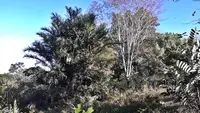
Every 1–2 years, remove the weakest or most crowded canes at ground level with loppers, disinfecting blades between cuts, to maintain airflow, reduce fungal risk, and keep the palm accessible for caring for Bactris setosa.

Strategic pup selection

When new suckers emerge, keep only well-positioned ones that widen the clump evenly and remove inward-facing or crossing shoots, which helps direct energy into a stable and visually balanced structure.

Wind and stake planning

In exposed sites, position the palm where surrounding shrubs or windbreaks reduce constant strong winds, and temporarily stake young canes during their first 1–2 seasons to prevent root rocking and leaning.

Harvest hygiene practice

If cultivated for fruit, harvest with clean, disinfected tools and remove dropped or damaged fruits promptly to limit attraction of pests and reduce the chance of fungal diseases establishing in the dense clump base.

Common Pests and Diseases

Red palm mite

This pest attacks leaves, feeding on sap and causing fine yellow speckling that can progress to bronzing and premature leaf drop in dry, hot conditions.

Solution

Rinse fronds thoroughly with a strong stream of water to remove mites, then maintain higher ambient humidity and reduce leaf dust; if needed, use a targeted horticultural oil or insecticidal soap on both leaf surfaces, repeating every 7–10 days until no new damage appears.

Palm aphids

These insects cluster along leaf stalks and young frond bases, sucking sap and excreting sticky honeydew that can lead to sooty mold growth.

Solution

Prune heavily infested fronds, then wash remaining foliage with lukewarm water and a mild insecticidal soap, paying attention to leaflet undersides; encourage natural enemies outdoors and avoid excess nitrogen fertilization, which favors aphid outbreaks.

Scale insects

This pest appears as small, hard, immobile bumps on petioles and leaflet midribs, slowly weakening the palm and sometimes causing yellowing or thinning foliage.

Solution

Manually scrape or wipe off individual scales with a cotton pad dipped in alcohol, then apply a light horticultural oil to coat remaining insects, repeating treatments several times over 3–4 weeks while monitoring for reinfestation as part of broader Bactris setosa care.

Ganoderma butt rot

This disease causes internal decay of the lower trunk, often with reduced vigor, wilting, and in advanced stages shelf-like fungal brackets (conks) at the base.

Solution

Promptly remove and destroy severely affected palms, including as much of the root system as possible, and avoid replanting palms in the same spot; in landscape settings, prevent trunk injuries, improve drainage, and maintain moderate, not excessive, irrigation to reduce risk.

Leaf spot fungi

Symptoms include brown to gray spots with darker margins on leaflets, which may coalesce into larger necrotic patches under prolonged warm, humid conditions.

Solution

Remove and dispose of spotted or dying fronds to reduce spore spread, water at soil level rather than overhead, and improve spacing and airflow; if the problem persists in a valuable specimen, use a palm-labeled fungicide according to label directions during humid periods.

Interesting Facts

Spiny stem defense

This small palm develops very dense, dark spines along its thin stems, a strong physical defense that protects it from browsing mammals in its native habitats of southeastern Brazil.

Cluster-forming habit

The species typically grows in tight clumps, with many slender stems arising from a single root system, which helps it regenerate after damage and occupy gaps in the forest understory.

Habitat of the Atlantic Forest

It is naturally found in the Atlantic Forest biome of Brazil, often in moist, shaded areas, and contributes to the structural diversity of this highly threatened ecosystem.

Botan icon

Did you know?

The fruits of this palm are eaten by various birds and small mammals in the Atlantic Forest, making it an important local food source and a contributor to seed dispersal networks in its native range.

FAQs about Bactris setosa

The small dark fruits are technically edible and sometimes used locally, but they have many spines and little pulp, which limits use. Always identify the plant correctly and avoid eating any part treated with pesticides.

Grow Healthy Plants with Botan Care

Keep your plants happy and healthy with plant identification, disease detection, and easy care guidance.

Botan plant care app — identify plants on mobile

Explore More Plants