Tomato Care (Solanum lycopersicum 'Roma')

About Tomato

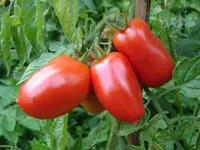
Solanum lycopersicum 'Roma' is a compact, determinate tomato cultivar grown mainly for its firm, oval fruits used in sauces and canning. Plants have a bushy habit and produce heavy, concentrated yields over a relatively short period.

This tomato was developed from cultivated types, not wild populations, and is now widely grown in home gardens and small farms. It is considered straightforward to grow if given consistent warmth, ample sun, and regular moisture.

Roma plants are generally disease resistant compared to many heirloom types, which makes them suitable for beginners learning how to care for Tomato. They perform best in fertile, well-drained soil with good air movement around the foliage.

Main Plant Requirements

Care Difficulty

Moderate Care

Light Preference

Full Sun

Water Requirements

Regular Water

Temperature Preference

Tropical / Frost Sensitive

Hardiness Zone

10–11

Soil Texture

Loamy, Sandy, Organic-rich

Soil pH

Acidic (5.5–6.5), Slightly acidic (6.5–7.0)

Soil Drainage

Moist but well-drained

Fertilization

Moderate (every 2–4 weeks)

Get Personalized Care Plan

Scan your plant to receive care tips personalized for your specific plant

Available on iOS and Android

How to Care for the Tomato

Solanum lycopersicum 'Roma' needs strong, direct light to produce high yields and flavorful fruit.

  • Provide 6–8 hours of direct sun daily, ideally full morning sun plus early afternoon exposure for best flowering and fruit set.
  • Plant in an open, unshaded spot; light afternoon shade in very hot climates reduces leaf scorch and sunscald on Tomato fruits.
  • Watch for weak, leggy stems and few flowers as signs of insufficient light, and pale, crispy leaves as signs of excess intense sun without enough soil moisture.

Solanum lycopersicum 'Roma' prefers steady soil moisture without staying saturated.

  • Water when the top 3–5 cm of soil feels dry, soaking the root zone deeply and then allowing excess to drain away.
  • Use well-draining soil or beds; soggy conditions cause yellowing leaves, wilting despite wet soil, and increased root disease risk.
  • In hot, dry weather, expect more frequent watering and watch for dull, curling leaves as a sign of thirst, but avoid frequent light splashes that only wet the surface.

Stable warmth is essential for strong growth and reliable fruiting in this Roma-type tomato.

  • Aim for 70–85°F (21–29°C) daytime and 60–70°F (16–21°C) nighttime for vigorous growth and good pollination.
  • Protect plants from temperatures below 50°F (10°C), since cold slows growth and below 32°F (0°C) frost kills foliage and stems.
  • During heat above 95°F (35°C), provide mulch and light shade to reduce blossom drop, sunscald, and stress on developing fruits.

This cultivar grows best in moderate outdoor humidity without special measures.

  • Aim for 40–70% humidity; typical outdoor summer levels in most regions are adequate.
  • Dry air alone is usually tolerated, but hot, dry winds combined with full sun can cause leaf curl and blossom drop.
  • In very arid climates, increase local humidity by mulching the soil and using windbreaks rather than misting foliage.

Solanum lycopersicum 'Roma' needs loose, well-aerated, moisture-retentive yet free-draining soil for reliable yields.

  • Use a deep loamy mix with 30–50% compost or well-rotted manure for structure and nutrient supply.
  • Ensure fast drainage by combining garden soil or bagged mix with coarse sand or perlite so water does not pool around roots.
  • Keep soil slightly acidic to neutral, around pH 6.0–7.0, to support nutrient availability and healthy root growth.
  • Avoid heavy, compacted, or waterlogged ground; improve these sites by double-digging, adding organic matter, and incorporating coarse material for aeration.

This tomato is well suited to container growing when the pot is large, stable, and drains efficiently.

  • Choose a container at least 30–40 cm deep and wide so roots can spread and the plant remains stable under fruit load.
  • Select a heavier material such as clay or thick plastic to reduce tipping in wind and to buffer rapid moisture swings.
  • Raise the pot on feet or bricks so drainage holes remain clear and excess water escapes quickly after each watering.

This tomato benefits from consistent, moderate feeding for strong growth and fruiting.

  • Use a balanced liquid or water-soluble fertilizer (around 10-10-10 or 5-10-10) or well-rotted compost as the main nutrient source.
  • Feed every 1–2 weeks during active growth and fruiting, starting once seedlings are established outdoors.
  • Dilute liquid fertilizers to half the label strength to limit leaf burn and excessive foliage growth at the expense of fruit.
  • Reduce or stop feeding in late fall or winter when plants decline, since Tomato is typically grown as a warm-season annual.

Pruning helps manage Solanum lycopersicum 'Roma' size and encourages better fruit quality and airflow.

  • Start light pruning once plants are 30–45 cm tall and growing strongly in late spring or early summer.
  • Remove yellowing, diseased, or damaged leaves and any stems touching the soil to lower disease risk.
  • Pinch out small side shoots (suckers) in leaf axils to focus energy on main fruiting stems and improve air circulation.
  • Use clean, sharp scissors or pruners, making small cuts close to the stem without tearing tissues.

Transplanting is more important than long-term pot culture for this warm-season crop.

  • Transplant seedlings outdoors after frost risk has passed and soil is consistently above 55–60°F.
  • Move plants on when roots circle the plug or container, or when growth slows despite good light and nutrition.
  • Plant deeply, burying 1/2–2/3 of the stem to encourage extra root formation along the buried portion.
  • Water thoroughly after transplanting, shade for 1–2 days if sunlight is intense, and avoid disturbing roots again during the season.

This cultivar is most often propagated from seed for reliable and productive plants.

  • Sow seeds indoors 6–8 weeks before the last expected frost date for the area.
  • Use a sterile seed-starting mix, maintain 70–80°F, and keep the medium evenly moist but not waterlogged.
  • Provide strong light (grow lights or a bright window) as soon as seedlings emerge to prevent weak, leggy growth.
  • Harden seedlings off outdoors over 7–10 days before planting into the garden or final containers.

This plant is frost-sensitive and usually grown as a single-season crop in temperate climates.

  • Expect plants to die back with the first hard frost; plan production around the warm growing season.
  • Mulch during late season with 5–7 cm of straw or leaves to buffer soil temperature and retain moisture.
  • In very mild climates, extend harvest slightly by using row covers or cloches to reduce cold stress at night.

Care Tips

Use sturdy cages

Install strong, tall tomato cages at planting time so stems grow through the supports naturally and fruits stay off the soil, which reduces disease and makes harvest easier.

Mulch for even moisture

Apply a 5–8 cm layer of clean straw or shredded bark after the soil has warmed to keep roots cool, limit soil splash that spreads disease, and reduce blossom-end rot caused by uneven moisture.

Prune lower foliage

Remove leaves and small side shoots from the bottom 20–30 cm of the plant once it is established to improve airflow, reduce soil-borne disease splash, and make watering at the base easier.

Clustered fruit thinning

If trusses set very heavily, snip off a few small fruits in each cluster so the plant can size up the remaining tomatoes more evenly and reduce the risk of branch breakage.

Rotate and sanitize

Rotate planting sites on a 3–4 year cycle and remove all plant debris at season’s end to lower soil disease pressure, which is one of the most effective long-term strategies when growing Tomato in the same garden.

Common Pests and Diseases

Tomato russet mite

This pest feeds on foliage and stems, causing bronzing, yellowing, and a dry, dusty appearance, often starting on lower leaves and moving upward. Symptoms include leaf curling, defoliation, and reduced fruit size and yield.

Solution

Remove and discard heavily damaged leaves, then use a strong water spray to knock mites off the plant and improve air movement around plants. If needed, apply a horticultural oil or sulfur-based miticide labeled for tomatoes in the evening, and avoid planting new Roma tomatoes next to old, infested plants to break the cycle when you grow Solanum lycopersicum 'Roma'.

Early blight

This disease causes dark brown leaf spots with concentric rings, usually starting on older, lower leaves and moving upward. Symptoms include yellowing around spots, defoliation, and sunscald on exposed fruit.

Solution

Promptly remove and discard infected leaves and any fallen debris, and water at soil level rather than overhead to keep foliage dry. Improve spacing for better airflow and use a copper- or chlorothalonil-based fungicide labeled for tomatoes at the first sign of symptoms, rotating sprays as directed on the label during wet periods.

Septoria leaf spot

This disease produces many small, circular spots with dark borders and pale or gray centers on lower leaves. Symptoms include rapid leaf yellowing and drop, leaving the plant with bare lower stems and reduced yield.

Solution

Remove and destroy affected leaves and keep the area under plants free of plant debris to reduce spore spread. Water at the base, mulch soil to limit splash, and use a preventive or early-stage fungicide labeled for tomatoes if wet, humid conditions persist.

Blossom end rot

Symptoms include sunken, dark brown to black lesions at the blossom end of fruits, while the rest of the fruit may appear normal. This condition results from localized calcium deficiency associated with uneven watering or root stress, not from an infectious pathogen.

Solution

Maintain consistent soil moisture with regular watering and 5–8 cm of mulch, avoiding cycles of drying and soaking. Do not overapply nitrogen fertilizer, keep soil pH in the recommended range, and allow plants to develop strong root systems before heavy fruiting to reduce future damage on caring for Tomato.

Tomato fruitworm

This pest is a caterpillar that bores into green or ripening tomatoes, leaving entry holes, frass, and internal feeding damage. Symptoms include premature fruit drop and rotten or hollow areas inside fruits.

Solution

Handpick and destroy caterpillars and any damaged fruit as soon as they are noticed, and use floating row covers early in the season to prevent egg laying on young plants. In larger infestations, apply Bacillus thuringiensis (Bt) or spinosad in the evening according to label directions, targeting young larvae before they enter the fruit.

Interesting Facts

Paste-type fruit structure

Roma tomatoes belong to a plum or paste-type group, with thicker flesh, fewer seeds, and lower juice content than salad tomatoes. This structure makes them especially suitable for sauces and canning, as they cook down into a dense purée with less watery separation.

Determinant growth habit

Roma plants are typically determinate, meaning they grow to a set height and then focus energy on ripening fruit over a relatively concentrated period. This growth pattern is valued in commercial and home production because it allows a large harvest window for processing.

Breeding for processing

Roma was developed specifically for industrial tomato processing, with an emphasis on uniform fruit size, firm texture, and consistent ripening. These traits allow efficient mechanical harvesting and predictable cooking behavior in large-scale sauce and paste production.

Botan icon

Did you know?

Roma tomatoes became one of the most widely used processing cultivars in the 20th century, and their genetic traits have been incorporated into many later hybrid paste tomatoes to improve firmness, disease resistance, and uniform ripening in industrial tomato lines.

FAQs about Tomato

Yellow leaves usually come from nutrient deficiency, overwatering, or natural aging of lower foliage. Check drainage, avoid waterlogged soil, and provide balanced fertilizer with sufficient nitrogen, magnesium, and iron. Remove severely affected leaves to reduce stress and disease risk.

Grow Healthy Plants with Botan Care

Keep your plants happy and healthy with plant identification, disease detection, and easy care guidance.

Botan plant care app — identify plants on mobile

Explore More Plants