purple broad vetch Care (Vicia narbonensis)

Also known as: Narbonne Vetch, Purple Broad Bean
purple broad vetch

About purple broad vetch

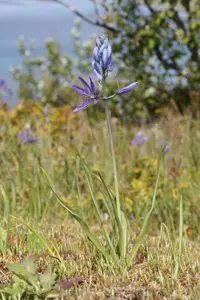
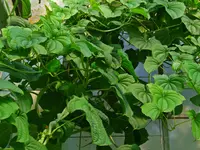
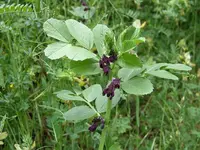
Purple broad vetch (Vicia narbonensis) is an annual or short-lived perennial legume often grown as a cover crop or forage plant. It forms upright, branching stems with paired, narrow leaflets and tendrils, and in season carries clusters of purple to reddish flowers followed by broad, flattened pods.

The species is native to the Mediterranean region and western Asia but is cultivated in many temperate areas for soil improvement and biomass. It is valued for vigorous growth, nitrogen fixation, and tolerance of relatively poor soils, which makes it fairly straightforward to manage once established.

To care for purple broad vetch, provide full sun, moderately moist but well-drained soil, and avoid very hot, dry conditions that can shorten its productive period.

Main Plant Requirements

Care Difficulty

Easy Care

Light Preference

Full Sun

Water Requirements

Moderate Water

Temperature Preference

Cool Climate

Hardiness Zone

6–9

Soil Texture

Sandy, Loamy, Clay

Soil pH

Slightly acidic (6.5–7.0), Neutral (7.0)

Soil Drainage

Well-drained

Fertilization

Minimal (feed rarely)

Get Personalized Care Plan

Scan your plant to receive care tips personalized for your specific plant

Available on iOS and Android

How to Care for the purple broad vetch

This cool-season legume prefers bright, open conditions to build strong stems and good flowering.

  • Provide 6–8 hours of direct sun daily; full sun suits field plantings, with some light afternoon shade in hotter regions.
  • Plants tolerate light partial shade (3–4 hours sun), but stems may elongate and flowering of purple broad vetch can be reduced.
  • Avoid sites with dense shade, which weakens growth, and very exposed, reflective spots that can overheat soil and stress young seedlings in midsummer.

This species prefers consistently moist, well-drained soil rather than frequent shallow watering.

  • Irrigate when the top 3–5 cm of soil feel dry, applying enough water to moisten the root zone without leaving puddles.
  • Use soil with good drainage or raised beds so Vicia narbonensis roots do not sit in water, which encourages yellowing leaves and root rot.
  • In cool, rainy seasons, reduce or skip irrigation; in hot, dry spells, watch for dull, wilting foliage and water deeply the same day.

This cool-season annual grows best in mild conditions and struggles with both hard frost and strong heat.

  • Optimal growth occurs around 55–70°F (13–21°C), where plants establish quickly and flower reliably.
  • Seedlings tolerate light frosts down to about 25°F (−4°C), but repeated or lower freezes can damage shoots and delay growth.
  • In late spring, growth slows once daytime highs regularly exceed 80°F (27°C); dry, hot winds can scorch foliage, so use mulch to cool the root zone.

Vicia narbonensis handles a wide humidity range and rarely needs special humidity management.

  • Prefers 40–60% humidity, similar to most outdoor conditions in temperate regions.
  • Tolerates dry air well; indoors, it usually shows no stress unless kept in very hot, stagnant rooms.
  • In rare dry-stress cases, leaf edges may crisp; increase air movement and provide consistent soil moisture rather than misting purple broad vetch.

Vicia narbonensis grows best in moderately fertile, well-aerated mineral soil with reliable drainage.

  • Use a loamy or sandy-loam base with 20–30% compost to provide structure and moderate nutrient levels.
  • Ensure fast drainage; in containers or raised beds, mix in coarse sand or perlite at 10–20% by volume.
  • Aim for a slightly acidic to neutral pH around 6.0–7.5, which supports healthy root and nodule development.
  • Avoid waterlogged clay, heavily compacted areas, or pure peat mixes, which restrict aeration and encourage root rot.

This species can be grown in containers if given enough depth and strong support.

  • Choose a deep pot (at least 25–30 cm) to accommodate its taproot and reduce drought stress between waterings.
  • Use a heavy or weighted container to keep tall, vining growth stable against wind and accidental knocks.
  • Position a trellis or sturdy canes directly in the pot so climbing stems are supported without pulling the container over.

This nitrogen-fixing legume needs only light feeding, as purple broad vetch gains much of its nitrogen through root bacteria.

  • Use a balanced, low-strength liquid fertilizer (around 10-10-10) at 1/2–1/4 label strength if soil is poor.
  • Feed every 4–6 weeks during active growth in spring and early summer only if plants show pale, weak foliage.
  • Prefer compost or well-rotted manure worked into the soil before sowing instead of frequent liquid feeding.
  • Stop fertilizing in late summer and avoid feeding in winter or dormant periods.

Pruning Vicia narbonensis is mainly done to maintain tidy growth and support flowering.

  • Cut back dead, damaged, or diseased stems whenever noticed using clean, sharp hand pruners or scissors.
  • In late spring or early summer, lightly trim leggy or sprawling growth to thicken the stand and improve shape.
  • Remove crowded or shading stems after flowering to improve air circulation and reduce disease risk.
  • Shear or mow plants after seed set if grown as a cover crop, encouraging regrowth where conditions allow.

This vetch is usually direct-sown outdoors, so management focuses on careful transplanting rather than frequent repotting.

  • Transplant only young seedlings; older plants resent disturbance and may stall if roots are heavily disturbed.
  • Plan moves for early spring or early autumn, when temperatures are mild and soil is evenly moist.
  • Look for signs such as roots circling a small starter cell or very slow growth despite good care before shifting to a larger space.
  • Minimize root stress by moving with an intact soil plug, watering thoroughly before and after, and shading for 2–3 days if conditions are bright.

Vicia narbonensis is most commonly propagated by seed, which offers reliable establishment when handled correctly.

  • Sow seeds in early spring or early autumn in well-drained soil with moderate fertility.
  • Scarify hard seed coats lightly with sandpaper and soak 6–12 hours in lukewarm water to improve germination.
  • Plant seeds 2–4 cm deep, keeping the soil evenly moist but not waterlogged until seedlings emerge.
  • Provide full sun and protect young plants from heavy competition and severe drying to help stands establish.

Mature Vicia narbonensis is moderately cold hardy and often needs little winter care in mild climates.

  • In regions with freezing winters, apply a 5–8 cm mulch layer to insulate the root zone and reduce heaving.
  • Allow top growth to die back naturally; it can act as a light protective cover and add organic matter.
  • In containers, move pots to a sheltered, unheated space where soil stays just above freezing and does not stay waterlogged.

Care Tips

Sturdy row support

Install low wire or string lines along the sowing row when plants are 10–15 cm tall to keep stems upright, reduce lodging in wind and rain, and make harvesting easier.

Timely pod harvest

For seed use, harvest pods as soon as they turn brown and rattle, then finish drying them under cover on mesh trays to reduce losses from shattering and wet weather.

Targeted inoculation

Before sowing in new ground, dust seeds with the appropriate Rhizobium inoculant to improve nitrogen fixation and overall vigor, especially in soils with no recent vetch or pea crops.

Strategic rotation

Follow this crop with cereals or other heavy feeders to take advantage of residual nitrogen, and avoid planting other legumes in the same bed for at least 3–4 years to limit disease buildup.

Pest-scouting routine

Check stems, leaf undersides, and developing pods weekly for aphids and caterpillars, and act early with targeted controls so that caring for purple broad vetch remains mostly preventative rather than reactive.

Common Pests and Diseases

Aphids

This pest feeds on young shoots, leaves, and flower buds, sucking sap and causing distortion, yellowing, and sticky honeydew that can attract sooty mold. Infestations often build up on the tender growth and undersides of leaves in late spring and early summer.

Solution

Rinse colonies off stems and leaves with a strong stream of water, then treat remaining insects with insecticidal soap or a neem oil spray, repeating every 5–7 days until populations drop. Encourage natural predators such as lady beetles and lacewings by avoiding broad-spectrum insecticides and maintaining some flowering diversity nearby.

Pea weevils

These insects lay eggs on developing pods, and larvae bore into seeds, reducing seed quality and yield. Symptoms include small holes in pods or seeds and poor germination of saved seed.

Solution

Monitor pods during flowering and early pod set, and if damage is common in your area, time sowing so flowering avoids peak weevil activity where possible. Remove and destroy infested pods after harvest, clean up plant debris, and rotate away from other vetches and peas for at least 2–3 years to interrupt the life cycle.

Ascochyta leaf and pod spot

This disease causes tan to dark brown spots with darker margins on leaves, stems, and pods, which can coalesce and lead to premature defoliation and pod blemishes. Symptoms include reduced vigor and lower seed quality in humid or wet weather.

Solution

Remove and destroy infected plant residues after harvest and avoid overhead irrigation that keeps foliage wet for long periods. Use crop rotation of 3–4 years away from other legumes, provide good spacing for airflow, and in high-risk areas consider certified disease-free seed and seed treatments where available as part of broader Vicia narbonensis care.

Chocolate spot (Botrytis)

This disease produces dark brown to almost black spots on leaves, stems, and sometimes flowers, which can enlarge and merge, causing blight under cool, humid conditions. Symptoms include wilting, dieback of shoots, and poor flowering or pod set in severe cases.

Solution

Improve air circulation with adequate spacing and avoid dense, overly lush growth by not overfertilizing with nitrogen. Keep foliage as dry as possible by watering at soil level, remove heavily infected shoots promptly, and clean up all plant debris at season end to reduce overwintering inoculum.

Rust

This disease leads to small orange to brown pustules on leaf surfaces and sometimes stems, which can cause yellowing, early leaf drop, and reduced photosynthesis. Symptoms include a dusty spore coating that rubs off on fingers or tools.

Solution

Remove and discard heavily infected leaves and plant residues, and avoid overhead watering that wets foliage. Provide good spacing and airflow, rotate with non-legume crops, and select resistant or tolerant lines where available to reduce disease pressure over time.

Interesting Facts

Ancient Mediterranean crop

Vicia narbonensis, often called Narbon vetch or purple broad vetch, has been cultivated since antiquity around the Mediterranean as a fodder and grain legume, with archaeological finds reported from Bronze Age and Iron Age sites.

Nitrogen-fixing powerhouse

Like other vetches, this species forms root nodules with rhizobia bacteria that convert atmospheric nitrogen into forms usable by plants, and it is noted in agronomy trials for contributing substantial nitrogen to soils when used as green manure.

Cold and drought tolerant

Compared with many other grain legumes, this species shows good tolerance to winter cold and seasonal drought, which is why it is tested as a potential alternative or complement to common vetch and faba bean in dryland farming systems.

Botan icon

Did you know?

Genetic and morphological studies place Vicia narbonensis within a small species complex that is closely allied to the cultivated faba bean (Vicia faba), and it has been investigated as a potential genetic resource for improving stress tolerance and disease resistance in related grain legumes.

FAQs about purple broad vetch

This species can reseed and spread, but it is not usually aggressive in managed gardens. Regular cutting before seed pods fully mature, along with crop rotation, keeps populations controlled and prevents unwanted expansion into nearby beds.

Grow Healthy Plants with Botan Care

Keep your plants happy and healthy with plant identification, disease detection, and easy care guidance.

Botan plant care app — identify plants on mobile

Explore More Plants