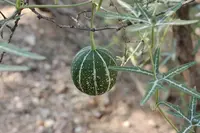
Wild asparagus Care (Asparagus prostratus)

Also known as: prostrate asparagus
Wild asparagus

About Wild asparagus

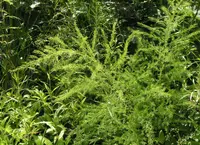
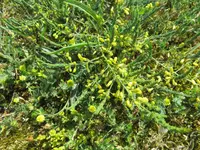
Wild asparagus (Asparagus prostratus) is a low, scrambling perennial with thin, wiry stems and fine, needle-like cladodes that resemble soft leaves. It often forms loose mats over rocks, dunes, or low shrubs. Native to coastal areas of western Europe, it is adapted to windy, salty conditions and sandy, free-draining soils. This makes it relatively tough and drought-tolerant once established. Growth is naturally informal and a bit untidy, which suits naturalistic or coastal-style plantings. Light, well-drained soil and moderate sun exposure generally support healthy growth. Understanding how to care for Wild asparagus mainly involves providing good drainage and avoiding heavy, waterlogged sites.

Main Plant Requirements

Care Difficulty

Moderate Care

Light Preference

Partial Sun

Water Requirements

Moderate Water

Temperature Preference

Cool Climate

Hardiness Zone

7–9

Soil Texture

Sandy, Loamy, Rocky

Soil pH

Slightly acidic (6.5–7.0), Neutral (7.0)

Soil Drainage

Well-drained

Fertilization

Minimal (feed rarely)

Get Personalized Care Plan

Scan your plant to receive care tips personalized for your specific plant

Available on iOS and Android

How to Care for the Wild asparagus

This low, scrambling species prefers bright conditions without harsh, all-day exposure.

  • Provide 4–6 hours of direct morning sun or soft evening sun, with light shade during the strongest midday hours, especially in summer.
  • Tolerates partial shade, but in very dim sites stems may stretch, become sparse, and lose density along the mat-forming growth.
  • In hot, exposed gardens, use dappled shade from shrubs or trees to prevent leaf scorch; caring for Wild asparagus in coastal areas is easier due to naturally filtered light.

This coastal asparagus prefers consistent but not saturated soil moisture.

  • Allow the top 3–5 cm of soil to dry before watering again; soil should feel slightly dry at the surface but still faintly moist below.
  • During active growth in spring and early summer, increase watering frequency, then reduce in late summer and winter as growth slows and rainfall patterns change.
  • Use sharply drained, sandy or gritty soil for Asparagus prostratus to prevent root rot; yellowing, mushy stems suggest overwatering, while crisp, browning tips indicate underwatering.

This species is adapted to mild, maritime climates with cool summers and relatively frost-tolerant growth.

  • Aim for an active growth range of about 55–70°F (13–21°C), where foliage stays compact and stems extend steadily without stress.
  • Established plants usually tolerate brief drops to around 20–25°F (-7 to -4°C), but prolonged freezes below this can damage roots and new shoots.
  • Heat above 85°F (29°C), especially in dry inland sites, can cause stress; provide mulch, partial shade, and consistent moisture during hot periods to limit damage.

This coastal species handles a wide humidity range but grows best with moderately moist air.

  • Aim for 40–60% humidity, which is typical of most homes and sheltered outdoor spots.
  • Tolerates short dry spells, but prolonged very dry air can cause browning needle-like leaves and increased shedding.
  • Increase humidity by grouping plants, setting the pot near a pebble tray, or providing brief, fine misting during very dry weather for Wild asparagus.

This species prefers a light, fast-draining mix that mimics sandy coastal soils.

  • Use a sandy or gritty loam with 30–50% mineral grit such as coarse sand, fine gravel, or perlite to prevent waterlogging.
  • In containers, mix 1 part compost, 1 part standard potting mix, and 1–2 parts sharp sand or grit to keep roots aerated.
  • Maintain slightly acidic to neutral pH around 6.0–7.0, avoiding strongly acidic or chalky conditions unless the plant is already adapted locally.
  • Avoid heavy clay, compacted, or peat-dominant mixes that stay wet, as these quickly promote root rot in Asparagus prostratus.

This trailing species adapts well to container culture outdoors.

  • Choose a wide, low container to support its prostrate spread and reduce the risk of the pot tipping in wind.
  • Use a relatively heavy pot material such as ceramic or clay outdoors to stabilize long, trailing stems on raised walls or steps.
  • Ensure excess water can drain away quickly and keep the container slightly elevated on pot feet so outlets do not clog against the ground.

Asparagus prostratus benefits from light, targeted feeding rather than heavy fertilization.

  • Use a balanced liquid fertilizer (around 10-10-10) at 1/2 strength every 4–6 weeks during spring–summer while actively growing.
  • Apply a thin layer of compost around the root zone once a year to support soil health when caring for Wild asparagus.
  • Avoid feeding in late fall and winter, when growth slows or stops, to prevent weak, soft shoots.
  • Water before and after fertilizing to reduce root burn and help nutrients move evenly through the soil.

Asparagus prostratus responds well to modest, corrective pruning to maintain a low, tidy habit.

  • Carry out main pruning in late winter or very early spring before strong new growth starts.
  • Remove dead, damaged, or crossing stems at the base using clean, sharp hand pruners.
  • Thin congested sections to improve air flow and light penetration, which supports healthier, denser growth.
  • Lightly tip back overly long stems to control spread and refine the plant’s overall shape.

This species is usually grown in the ground, so transplanting is more common than container repotting.

  • Plan moves for early spring or early fall, when temperatures are mild and stress is lower.
  • Look for signs such as roots circling a pot, poor drainage, or slow growth before deciding to repot or lift.
  • Dig widely around the clump to keep as many roots as possible, then replant at the same depth in well-drained soil.
  • Water thoroughly after transplanting, then keep soil lightly moist, shaded, and sheltered for 1–2 weeks to help roots re-establish.

Asparagus prostratus is commonly propagated by division or seed under suitable conditions.

  • Divide mature clumps in early spring, lifting and gently separating sections, each with several shoots and healthy roots.
  • Sow ripe seeds in autumn or early spring in a free-draining mix, keeping them just moist until germination.
  • Provide bright, indirect light and 60–70°F temperatures for divisions or seedlings to encourage steady establishment.
  • Harden off young plants outdoors gradually to reduce transplant shock and improve survival.

Asparagus prostratus is generally hardy in temperate climates and needs limited winter care once established.

  • In colder regions, apply a 5–8 cm mulch layer over the root zone after the first hard frost to stabilize soil temperatures.
  • Allow top growth to die back naturally, then remove dead stems in late winter to reduce disease carryover.
  • For container plants, move pots to a sheltered, unheated but frost-free area or insulate containers with wrap or bubble film.

Care Tips

Use low edging

Install a low stone or brick edging around the bed to contain its creeping rhizomes, making it easier to manage spread and to distinguish stems from surrounding groundcovers when pruning or weeding.

Gentle slope planting

Plant on a slight slope or raised berm in heavier soils so excess water drains away from the crown, which reduces the risk of root and crown rot in wet seasons.

Targeted sand topdress

Apply a 0.5–1 cm layer of coarse sand or fine grit around stems each spring to improve surface drainage at the crown and reduce soil splash, which helps limit fungal leaf spotting.

Low-profile support

In exposed coastal or windy sites, pin longer stems down with U-shaped landscape staples or short wire pegs so they root along the nodes and create a denser, more wind-stable mat.

Segmented renewal

Every 3–4 years, lift and divide only a section of the patch at a time to renew growth and control vigor, while leaving the rest undisturbed so the planting continues to look full during the process of growing Wild asparagus.

Common Pests and Diseases

Asparagus beetle

This pest feeds on stems and foliage, leaving chewed cladodes and characteristic striped adults and dark larvae on the plant. Symptoms include weakened growth and browning, especially on new shoots in outdoor plantings.

Solution

Hand-pick adults and larvae into soapy water, prune and destroy heavily infested stems, and clear away old stems or debris where beetles overwinter. For persistent outdoor problems, use a targeted contact insecticide containing pyrethrins, applied in the evening to minimize impact on beneficial insects.

Asparagus rust

This disease causes small yellow to orange spots that develop into darker, powdery pustules on stems and cladodes, leading to premature yellowing and dieback. Symptoms include progressively thinning and stunted growth over the season.

Solution

Remove and destroy affected stems as soon as symptoms appear, and avoid overhead watering to keep foliage as dry as possible. Improve air circulation by spacing plants adequately and, in severe recurring cases, apply a sulfur or copper-based fungicide labeled for rust, following label directions carefully.

Asparagus aphid

This pest clusters on young stems and cladodes, sucking sap and causing distortion, stunted tips, and sticky honeydew that can attract sooty mold. These insects are more common on sheltered, coastal plantings where wild asparagus forms low mats.

Solution

Rinse colonies off plants with a firm stream of water and pinch back heavily infested soft growth. Encourage natural predators such as lady beetles, and if needed, use an insecticidal soap or horticultural oil, making sure to coat the insects thoroughly and repeat as needed.

Slugs and snails

These pests chew irregular holes in tender cladodes and shoots, often leaving slime trails across the plant and nearby surfaces. Damage is usually worst in cool, damp conditions and in dense groundcover plantings.

Solution

Hand-pick slugs and snails in the evening, use physical barriers such as copper tape around containers, and reduce hiding places like dense mulch and debris. In outdoor beds, apply iron phosphate slug bait according to label directions as a lower-toxicity control option.

Interesting Facts

Coastal dune specialist

This species naturally occurs on Atlantic coastal dunes and cliff tops in western Europe, often rooting in sand or crevices just above the high-tide line where salt spray and wind exposure are strong.

Unarmed wild asparagus

Unlike many other asparagus species, its stems normally lack true spines, showing only small, blunt projections at the nodes, which helps distinguish it from the cultivated asparagus and other spiny relatives.

Low creeping habit

It forms a low, prostrate mat with stems that trail along the ground or over rocks instead of growing upright, an adaptation that reduces wind damage in exposed maritime habitats.

Botan icon

Did you know?

Asparagus prostratus is classified as nationally scarce in parts of its natural range, including the British Isles, where it is largely restricted to a small number of coastal sites and is monitored as a conservation priority species.

FAQs about Wild asparagus

This coastal species performs best outdoors in mild, maritime climates, where it receives bright light, wind, and good drainage. Indoors it tends to stretch, weaken, and decline, so Wild asparagus indoor care is usually short term only.

Grow Healthy Plants with Botan Care

Keep your plants happy and healthy with plant identification, disease detection, and easy care guidance.

Botan plant care app — identify plants on mobile

Explore More Plants