Encourage Bushy Form
Lightly pinch back soft new shoots in early spring to encourage a denser, shrubbier habit instead of long, straggling stems, especially in container plants.

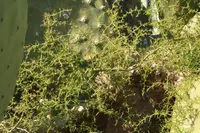
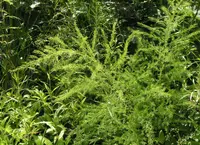
Mediterranean asparagus (Asparagus aphyllus) is a woody, scrambling shrub-like perennial from dry, rocky areas around the Mediterranean region. It often forms tangled, thorny clumps with fine, wiry green shoots instead of true leaves.
This species is adapted to poor, well-drained soils and a climate with hot, dry summers and mild, wetter winters. It usually prefers bright light and tolerates drought once established.
Growth is vigorous where conditions suit it, but the thorny stems and need for sharp drainage can make it less convenient in small gardens or containers. Understanding how to care for Mediterranean Asparagus starts with mimicking its naturally dry, sunny habitat.

Care Difficulty
Easy Care

Light Preference
Full Sun

Water Requirements
Low Water

Temperature Preference
Warm Climate

Hardiness Zone
9–11

Soil Texture
Sandy, Loamy, Rocky

Soil pH
Slightly acidic (6.5–7.0), Slightly alkaline (7.0–7.5)

Soil Drainage
Well-drained

Fertilization
Minimal (feed rarely)
Scan your plant to receive care tips personalized for your specific plant
Available on iOS and Android
This drought-adapted shrub prefers strong light and copes well with exposed sites.
This species is adapted to dry habitats and needs restrained, infrequent watering.
This hardy Mediterranean shrub tolerates heat but has limited frost resistance.
This drought-adapted shrub tolerates low indoor humidity and usually does not need special moisture control.
This Mediterranean species prefers very free-draining, lean soil that mimics rocky, coastal slopes.
This species can adapt to container growing if the pot supports its deep and spreading root system.
Asparagus aphyllus is adapted to lean soils and needs only light feeding in cultivation.
Asparagus aphyllus responds well to modest, targeted pruning to maintain a tidy, healthy framework.
This species is more often grown in the ground, but container plants or young Asparagus aphyllus may need occasional transplanting.
Asparagus aphyllus is most commonly propagated by seed or careful division of established clumps.
Mature Asparagus aphyllus is fairly cold tolerant in mild climates and usually needs only minimal winter care.

Plant Health Check
Not sure what's wrong with your plant? Check your plant's health inside the app.
This species naturally lacks true leaves; its apparent needle-like foliage is made of modified stems called cladodes that carry out photosynthesis and reduce water loss in its dry Mediterranean habitats.
It survives hot, arid summers by relying on a deep, woody rhizome that stores reserves, allowing above-ground shoots to die back in extreme drought and resprout when conditions improve.
In parts of the eastern Mediterranean, its young spring shoots are traditionally foraged and eaten like other wild asparagus, although they are usually more bitter and strongly flavored than cultivated asparagus.

Asparagus aphyllus is considered one of the wild progenitors involved in the origin of modern cultivated asparagus, and genetic studies have used it to better understand the domestication history of the genus Asparagus.
Lack of flowers usually comes from insufficient light, very lean or very rich soil, or heavy pruning at the wrong time. This species often blooms more reliably outdoors in a dry, sunny position with some seasonal stress.
Keep your plants happy and healthy with plant identification, disease detection, and easy care guidance.