Encourage Strong Vines
Pinch out the growing tip of very long, non-fruiting vines once 3–4 fruits have set to redirect energy into sizing up existing squash rather than excess vegetative growth.

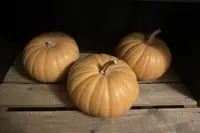
Cucurbita moschata 'Long Island Cheese' is a heritage winter squash variety grown as a warm-season annual vine. It is valued for its flattened, round, ribbed fruits that resemble a wheel of cheese, with buff-colored skin and dense orange flesh.
This squash traces its history to the northeastern United States, where it became popular for pies and long storage. The vigorous vines sprawl widely and need space, but the plant is generally robust when given full sun, consistent moisture, and rich, well-drained soil.
Its hard rind, good disease tolerance, and long keeping quality make it relatively forgiving for home growers. Learning how to care for Winter Squash focuses mainly on providing warmth, room to spread, and protection from early frost.

Care Difficulty
Moderate Care

Light Preference
Full Sun

Water Requirements
Regular Water

Temperature Preference
Tropical / Frost Sensitive

Hardiness Zone
3–10

Soil Texture
Loamy, Sandy, Organic-rich

Soil pH
Acidic (5.5–6.5), Slightly acidic (6.5–7.0)

Soil Drainage
Moist but well-drained

Fertilization
Moderate (every 2–4 weeks)
Scan your plant to receive care tips personalized for your specific plant
Available on iOS and Android
This heirloom winter squash needs strong, direct light to flower and set fruit well outdoors.
This squash prefers evenly moist, not soggy, soil throughout the growing season.
This warm-season crop needs consistently mild to hot temperatures to grow and fruit properly.
This squash tolerates a wide humidity range and usually does not need special humidity management outdoors.
This squash prefers deep, fertile, well-aerated soil that drains freely but retains some moisture.
This vining winter squash can be grown in large outdoor containers if given ample root volume and stable support.
This heirloom winter squash responds well to steady nutrition during its vigorous growing season.
Pruning Cucurbita moschata 'Long Island Cheese' focuses on directing vine growth and maintaining plant health.
This squash is usually direct-sown, but young starts transplant well when handled carefully.
New Cucurbita moschata 'Long Island Cheese' plants are almost always raised from seed.
This warm-season annual squash dies back with frost, so winter care focuses on soil and stored fruit rather than the vines themselves.

Plant Health Check
Not sure what's wrong with your plant? Check your plant's health inside the app.
This winter squash was widely grown in the northeastern United States by the early 1800s and became a staple in traditional American pumpkin pies due to its dense, fine-textured flesh.
The fruit is distinctly flattened and deeply ribbed, resembling an old-fashioned wheel of cheese, which gave rise to the common name Long Island cheese pumpkin.
Its flesh is relatively low in water and high in dry matter compared with many modern orange pumpkins, producing a smooth, rich purée that bakes well without becoming watery.

This cultivar played an important role in regional food heritage on Long Island and the mid-Atlantic, where it was traditionally grown for winter storage and pie making, then nearly disappeared from commerce in the 20th century before being revived through heirloom seed-saving efforts.
Yellowing leaves often result from nutrient deficiency, especially nitrogen or magnesium, waterlogged soil, or natural aging of older foliage. Check drainage, avoid overwatering, and apply a balanced fertilizer. Inspect undersides of leaves for pests like aphids or squash bugs.
Keep your plants happy and healthy with plant identification, disease detection, and easy care guidance.