alpine bearberry Care (Arctous alpina)

Also known as: mountain bearberry, black bearberry, alpine manzanita, ptarmiganberry
alpine bearberry

About alpine bearberry

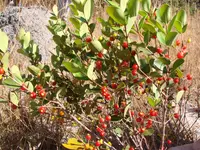
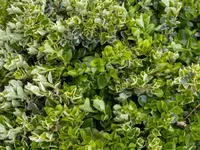
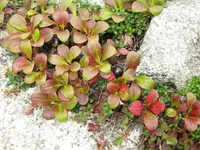
Alpine bearberry (Arctous alpina) is a low, creeping shrub that forms dense mats close to the ground. It has small, rounded leaves that often turn red or bronze, and produces dark berries after its modest spring flowers.

This species is native to cold, northern regions and mountain habitats, where it grows in open tundra, rocky slopes, and heaths. Its slow growth, preference for cool conditions, and need for sharply drained, acidic soils can make it more challenging in mild or hot climates.

Gardeners who care for alpine bearberry usually place it in a rock garden or similar setting with bright light, cool roots, and consistently moist but not waterlogged soil.

Main Plant Requirements

Care Difficulty

Hard Care

Light Preference

Full Sun

Water Requirements

Moderate Water

Temperature Preference

Cold Hardy

Hardiness Zone

2–6

Soil Texture

Sandy, Rocky, Peaty

Soil pH

Strongly acidic (4.5–5.5), Acidic (5.5–6.5)

Soil Drainage

Well-drained

Fertilization

Minimal (feed rarely)

Get Personalized Care Plan

Scan your plant to receive care tips personalized for your specific plant

Available on iOS and Android

How to Care for the alpine bearberry

This low, cold-climate shrub prefers bright, cool light that mimics open alpine habitats.

  • Provide 4–6 hours of direct morning sun with light afternoon shade; in hotter regions, use dappled light after 11 a.m. to prevent leaf scorch.
  • Tolerates partial shade, but very dense shade reduces flowering and berry production; aim for open, north- or east-facing exposures.
  • In winter, full sun is beneficial, while in summer monitor for yellowing or crisp leaf edges, which indicate excessive sun for alpine bearberry.

This species prefers evenly moist but sharply drained soil, similar to a cool, rocky slope.

  • Allow the top 2–3 cm of soil to dry between waterings; soil should feel slightly damp below the surface, never waterlogged.
  • Increase checks in warm, windy weather; leaves that curl and soil that feels dry deeper than 5 cm indicate underwatering.
  • Reduce watering in fall and winter, watching for soft, blackened stems or a sour smell in the soil as signs of overwatering, especially in heavy clay.

This hardy shrub is adapted to cold climates and prefers cool to cold conditions for strongest growth.

  • Optimal growing temperatures are 45–65°F (7–18°C); prolonged heat above 75°F (24°C) can stress plants, especially with intense sun.
  • Tolerates cold down to about -40°F (-40°C) when established, provided soil drains well and roots do not sit in winter water.
  • In hot summers, use mulch and light shade to keep root zone cool; avoid planting near reflective surfaces that create excessive heat.

Humidity is rarely a limiting factor for alpine bearberry, which is adapted to cool, dry mountain air.

This species needs sharply drained, acidic, low-nutrient soil that mimics cold, stony alpine ground.

  • Use a sandy, gritty mix with 40–60% mineral material such as coarse sand, fine gravel, or grit to prevent water retention around roots.
  • Maintain acidic conditions around pH 4.5–5.5; blend ericaceous compost with pine bark fines to support its heath-like preferences.
  • Ensure very fast drainage by raising the planting area or using a rock garden bed so water never pools after rain or irrigation.
  • Avoid heavy clay, rich manures, and peat-free mixes that stay wet, as these quickly lead to root rot and decline in Arctous alpina.

Arctous alpina can be grown in containers if the potting setup stays very free draining and cool at the root zone.

  • Choose a wide, shallow container to suit its creeping root system and allow lateral spread instead of forcing deep rooting.
  • Use a rigid, heavy pot or top-dress with gravel to stabilize the plant against wind, since its low canopy can act like a sail in exposed sites.
  • Select unglazed clay or similar breathable materials to let excess moisture evaporate faster and keep the root zone cooler in summer sun.

This alpine shrub is adapted to poor soils and usually needs minimal feeding in gardens.

  • If growth is very weak, apply a light top-dressing of fine compost in early spring, keeping it away from stems.
  • On very lean sandy soils, use a low-dose, slow-release, acid-forming fertilizer once in spring at half strength.
  • Avoid high-nitrogen or frequent feeding, which encourages lush, weak growth and reduces stress tolerance in alpine bearberry.

Arctous alpina needs only light pruning to maintain a low, healthy mat of growth.

  • Best time for pruning is late winter to early spring before new growth starts.
  • Remove dead, diseased, or storm-damaged stems with clean, sharp hand pruners.
  • Thin a few crowded or crossing branches to keep air flow and a natural, spreading shape.
  • Avoid hard cutting into old wood, since recovery is slow and can create bare patches.

This plant is most often grown in the ground, where it dislikes frequent disturbance.

  • Transplant in early spring or early fall, when temperatures are cool and soil moisture is steady.
  • Move only when necessary, such as poor establishment or unsuitable drainage, generally every several years at most.
  • Lift a wide, shallow root ball, keeping as much fine root and surrounding soil intact as possible.
  • Replant at the same depth into acidic, sharply drained soil, then water gently and shade from strong sun for 1–2 weeks to reduce root stress.

Propagation of this species is possible but slow and better suited to patient or experienced growers.

  • Layering works best; pin a low, flexible stem into moist, acidic soil in late spring and leave it in place for 1–2 seasons.
  • Semi-ripe cuttings in mid to late summer need sharp drainage, high humidity, and a rooting hormone for better success.
  • Seed propagation is slow because seeds require cold stratification, meaning a prolonged cold, moist period before germination.
  • Transplant any young plants carefully, as fine, shallow roots are easily damaged in heavy or compacted soil.

This species is naturally very cold hardy and usually needs no special winter care in the ground.

  • Tolerates severe frost and snow, especially in well-drained, acidic soil typical for growing alpine bearberry.
  • Apply a light mulch of pine needles or fine bark in late fall to stabilize soil moisture, not to insulate heavily.
  • In containers, use a frost-resistant pot, keep soil sharply drained, and place the pot in a sheltered, unheated outdoor spot.

Care Tips

Root-zone cooling

In warmer climates, apply a 2–3 cm layer of light-colored gravel or grit around the root zone to keep the shallow roots cool and reduce heat stress during summer.

Snow cover management

In cold regions, allow natural snow to accumulate over the plants in winter, since a stable snow layer insulates stems and buds from drying winds and extreme freeze–thaw cycles.

Pest-scouting routine

Inspect leaves and stems every 2–3 weeks in spring and early summer for caterpillars or sawfly larvae, removing them by hand before they skeletonize the small foliage.

Targeted moss control

If moss begins to overtake the mat, gently lift and thin the moss in small sections rather than scraping the whole area, then lightly top-dress with fresh acidic grit to favor the shrub over moss.

Rock crevice placement

When growing alpine bearberry in rock gardens, tuck plants into shallow crevices between stones so the roots benefit from cool, moist pockets while the foliage stays well-drained and exposed to air movement.

Common Pests and Diseases

Andromeda lace bug

This pest feeds on the undersides of leaves, causing pale stippling, bronzing, and eventual leaf drop in stressed plants, especially in hotter lowland gardens. This pest is more problematic when alpine bearberry is grown outside its naturally cool, open habitat.

Solution

Inspect leaf undersides regularly and hose them off with a firm stream of water to remove nymphs and adults, then prune and discard heavily infested shoots. Encourage natural predators by avoiding broad-spectrum insecticides, and if needed use a targeted insecticidal soap or neem oil spray applied to the undersides of leaves during cool parts of the day.

Leaf spot fungi

This disease causes small brown to black spots that may coalesce, leading to irregular blotches and premature leaf shedding during damp periods. Symptoms include more severe spotting in dense plantings or in sites with prolonged leaf wetness.

Solution

Remove and discard affected leaves and any dense, matted debris around the plant to reduce fungal spores, then thin surrounding vegetation to improve air movement. Water at soil level rather than overhead and, if problems persist in wet seasons, apply a registered ornamental fungicide labeled for leaf spots on ericaceous shrubs following local guidelines.

Powdery mildew

This disease appears as a white to gray powdery coating on leaves and young stems, which can cause distortion and reduced vigor, especially in shaded, humid sites. Symptoms include leaves that yellow and drop prematurely when coverage is heavy.

Solution

Increase light and air circulation by lightly thinning surrounding plants and avoid overhead watering to keep foliage dry. Remove the worst-affected shoots and treat remaining foliage with a sulfur or potassium bicarbonate product labeled for powdery mildew on ornamentals, applying at intervals recommended on the label until new growth emerges clean.

Heather beetle

These insects feed on the foliage, causing reddening, bronzing, then browning and dieback of shoots, particularly in older or stressed groundcover patches. This pest is more common in heather-dominated plantings where multiple ericaceous hosts are present.

Solution

Cut back and remove badly damaged stems to encourage new growth and reduce beetle numbers, and dispose of prunings away from the site. Hand-pick adults and larvae where feasible, and in severe cases consider a targeted insecticidal treatment timed to early larval stages, checking local recommendations for ericaceous shrubs.

Interesting Facts

Arctic-alpine distribution

This species naturally occurs in both Arctic tundra and high mountain heath across northern Europe, Greenland, Iceland, and parts of North America, reflecting strong adaptation to cold, nutrient-poor environments.

Black edible berries

The plant produces small, glossy black berries that are mildly flavored and have long been eaten in northern regions, often mixed with other wild fruits to improve taste and texture.

Symbiosis with fungi

Its roots form ericoid mycorrhiza, a type of partnership with specialized fungi that helps the plant access nutrients in acidic, low-fertility soils typical of heaths and tundra.
Botan icon

Did you know?

Genetic and morphological studies indicate that alpine bearberry is closely related to heathers and blueberries within the Ericaceae family, and its current circumpolar range is thought to reflect survival and migration linked to repeated Pleistocene glaciation cycles.

FAQs about alpine bearberry

This species forms low, slowly creeping mats through short rhizomes and rooting stems, but it is not considered aggressive. In most gardens it spreads gradually, making a stable ground cover without overwhelming neighboring plants when managed properly.

Grow Healthy Plants with Botan Care

Keep your plants happy and healthy with plant identification, disease detection, and easy care guidance.

Botan plant care app — identify plants on mobile

Explore More Plants