Regular rejuvenation pruning
Every 2–3 years, remove 1–3 of the oldest, thickest branches at the base in late winter to stimulate dense new shoot growth and maintain a compact, productive canopy.

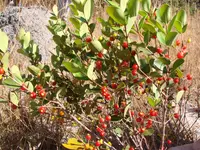
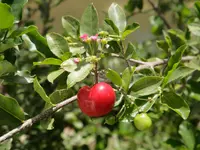
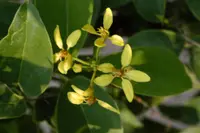
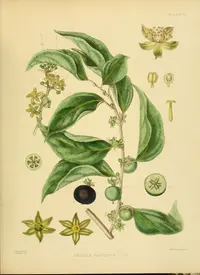
Eugenia punicifolia is a small evergreen shrub or compact tree in the myrtle family, valued for its glossy foliage and small, edible fruits. It typically has a dense, branching habit, making it suitable for container culture, informal hedges, or training as a small patio specimen.
This species is native to tropical and subtropical regions of South America, where it grows in warm, bright conditions with regular moisture. It prefers well-drained soil and steady light, and it does not tolerate prolonged cold. With adequate warmth and humidity, it is relatively manageable for growers who want to learn how to care for Eugenia punicifolia.

Care Difficulty
Moderate Care

Light Preference
Full Sun

Water Requirements
Moderate Water

Temperature Preference
Tropical / Frost Sensitive

Hardiness Zone
10–11

Soil Texture
Sandy, Loamy, Organic-rich

Soil pH
Acidic (5.5–6.5), Slightly acidic (6.5–7.0)

Soil Drainage
Well-drained

Fertilization
Minimal (feed rarely)
Scan your plant to receive care tips personalized for your specific plant
Available on iOS and Android
This sun-loving shrub fruits best with consistent, bright outdoor light.
This shrub prefers steady moisture in well-drained soil without staying soggy.
This species thrives in warm, frost-free conditions typical of subtropical climates.
This species benefits from moderate humidity but adapts to many home environments.
Eugenia punicifolia prefers a loose, well-drained, slightly acidic to neutral substrate.
This shrub is well suited to container growing when root space and drainage are managed carefully.
Feeding supports steady growth and fruiting in Eugenia punicifolia, especially in pots or poor soils.
Thoughtful pruning keeps Eugenia punicifolia compact, healthy, and productive.
Container-grown or young landscape plants benefit from careful transplanting to maintain healthy root development.
New plants are most often raised from seeds, though semi-hardwood cuttings are also possible for Eugenia punicifolia plant care.
This subtropical species is sensitive to hard frost and benefits from targeted winter protection in cooler climates.

Plant Health Check
Not sure what's wrong with your plant? Check your plant's health inside the app.
This species is naturally distributed along coastal and restinga scrub habitats in eastern South America, where it tolerates sandy, nutrient-poor soils and seasonal salt-laden winds better than many other Myrtaceae shrubs.
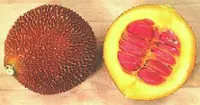
It produces small, bright red berries with a thin skin and relatively large seeds, forming part of the diet of local birds that disperse the seeds across coastal shrublands and forest edges.
Like many Myrtaceae members, it contains essential oils in its leaves and other tissues, which contribute to its characteristic aromatic foliage and help protect the plant from herbivores and some pathogens.
This species is evergreen in frost-free climates, holding foliage year-round instead of dropping leaves seasonally. In cooler areas, partial leaf drop can occur after cold stress, but healthy plants typically maintain a dense canopy through all seasons.
Keep your plants happy and healthy with plant identification, disease detection, and easy care guidance.